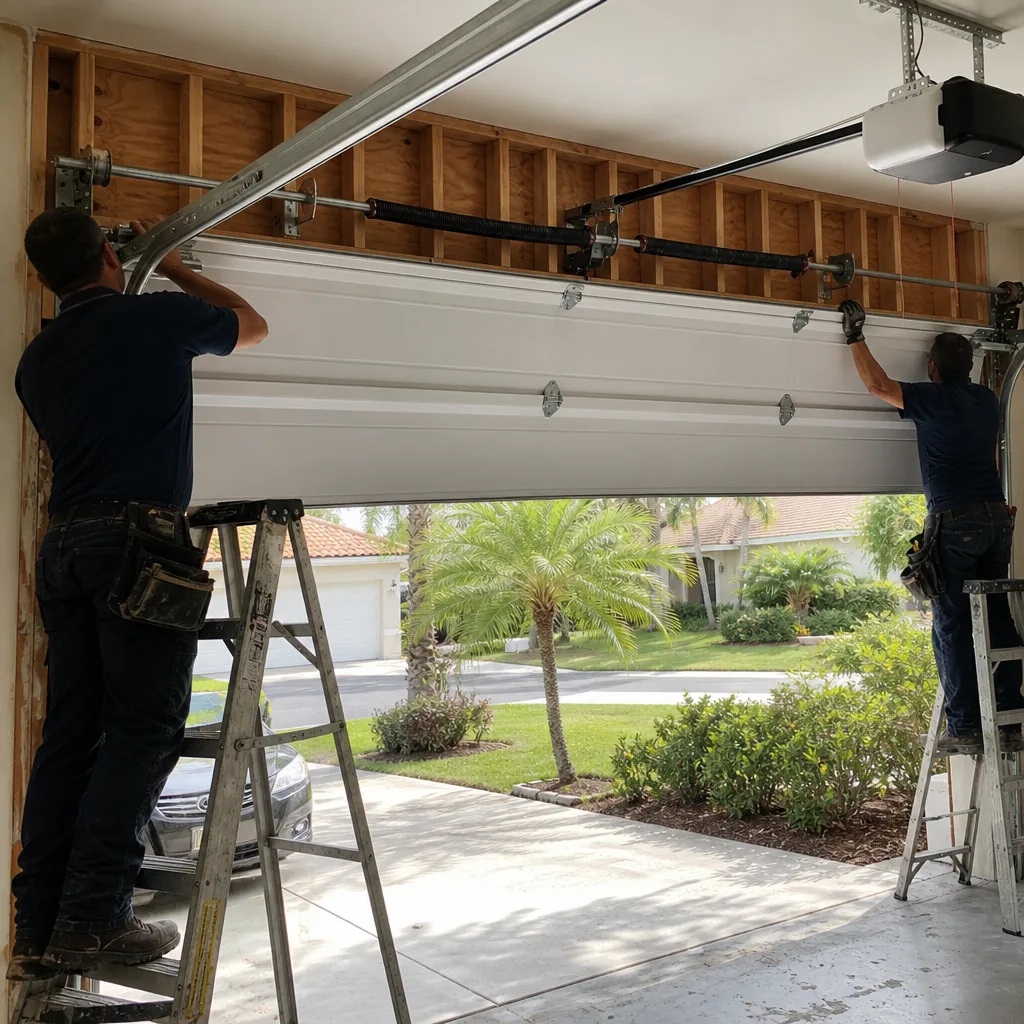
Last updated November 20, 2026
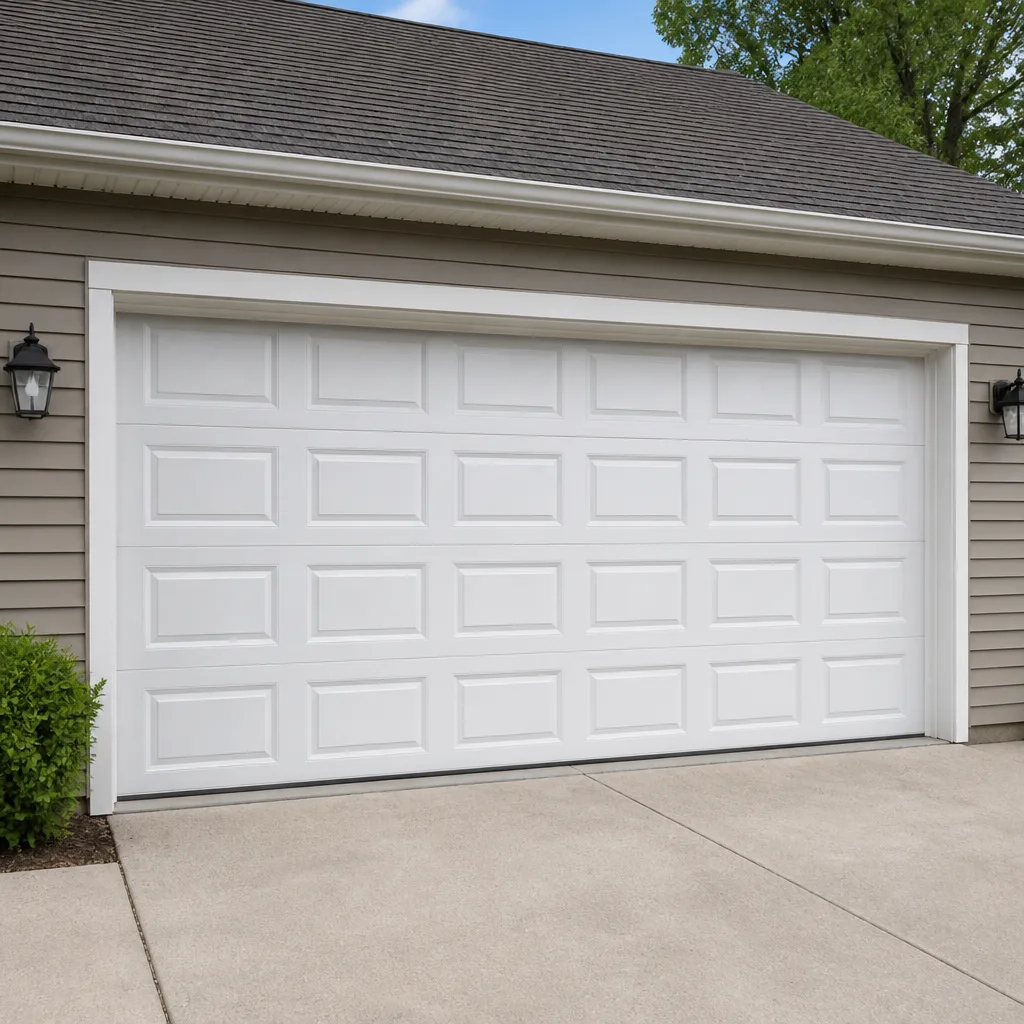 Raised-panel steel
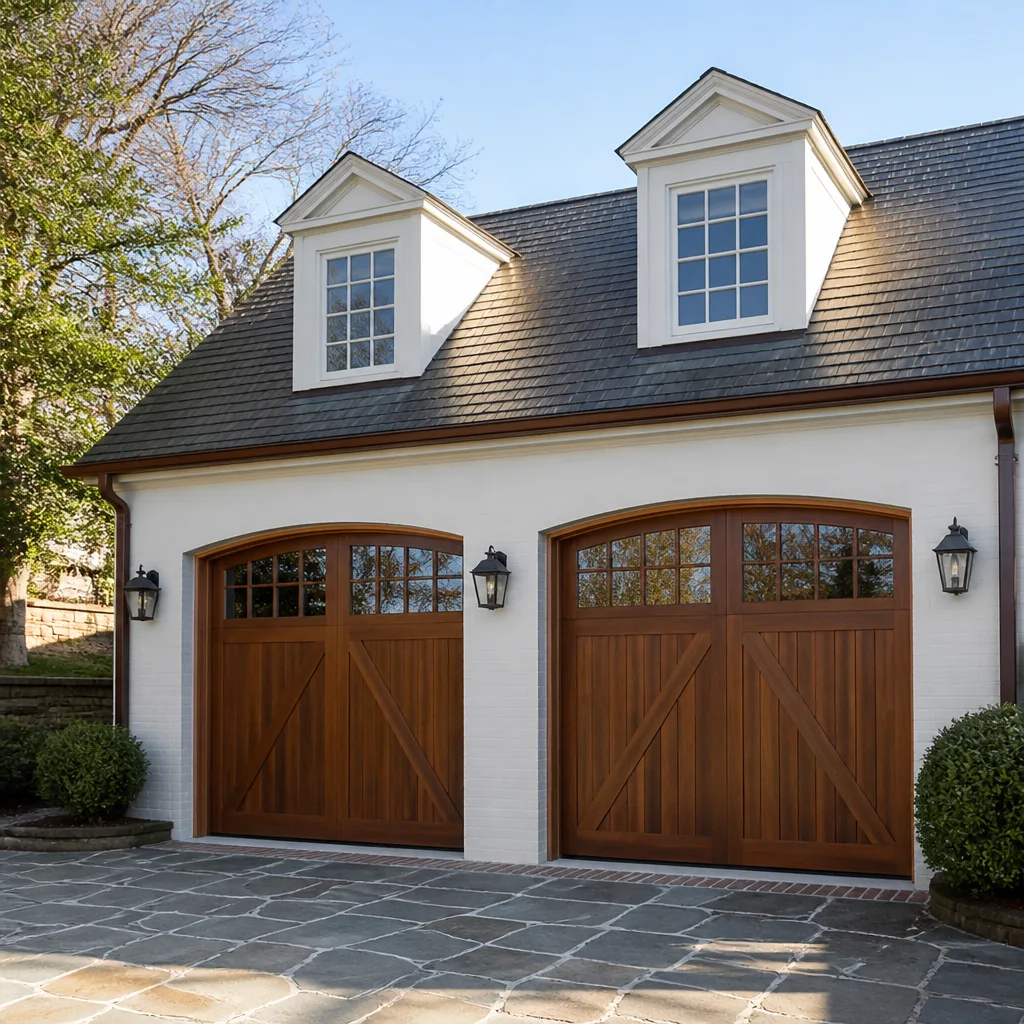 Carriage house
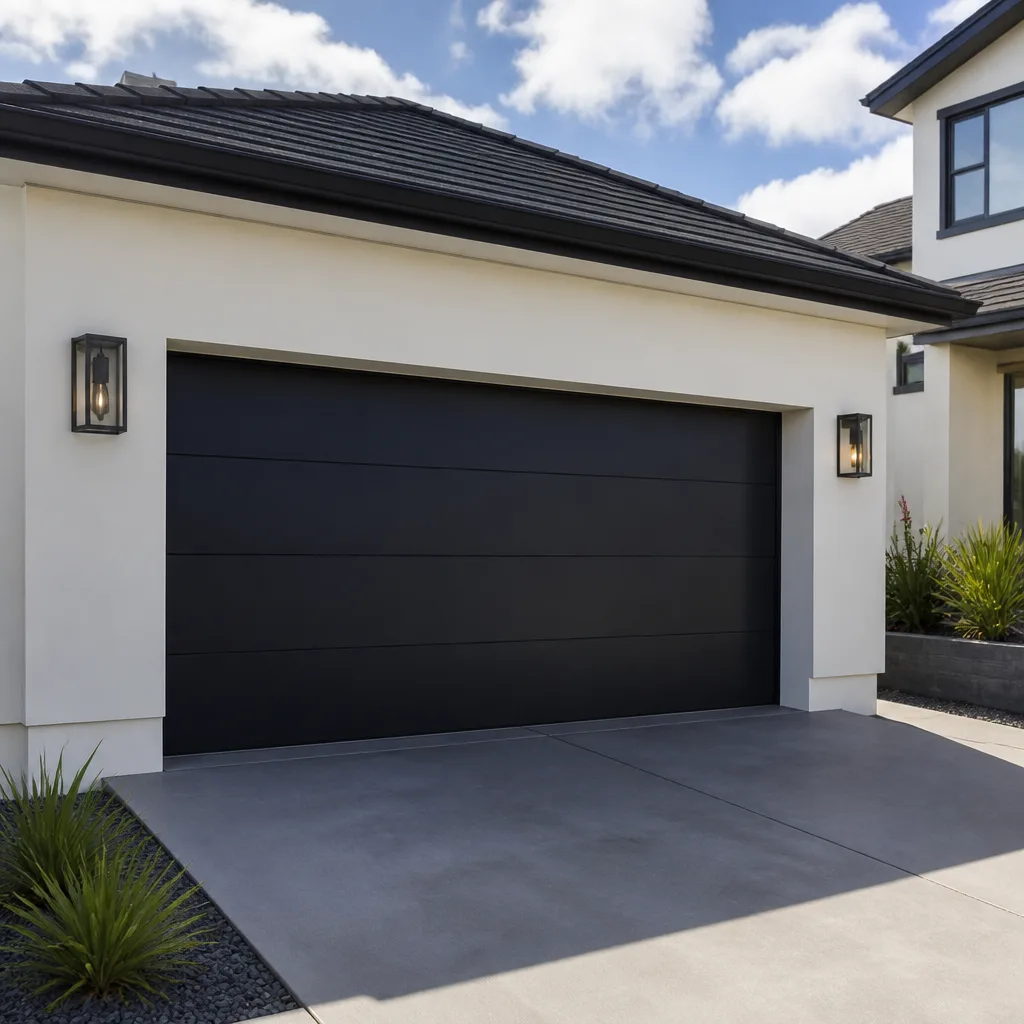 Modern flush
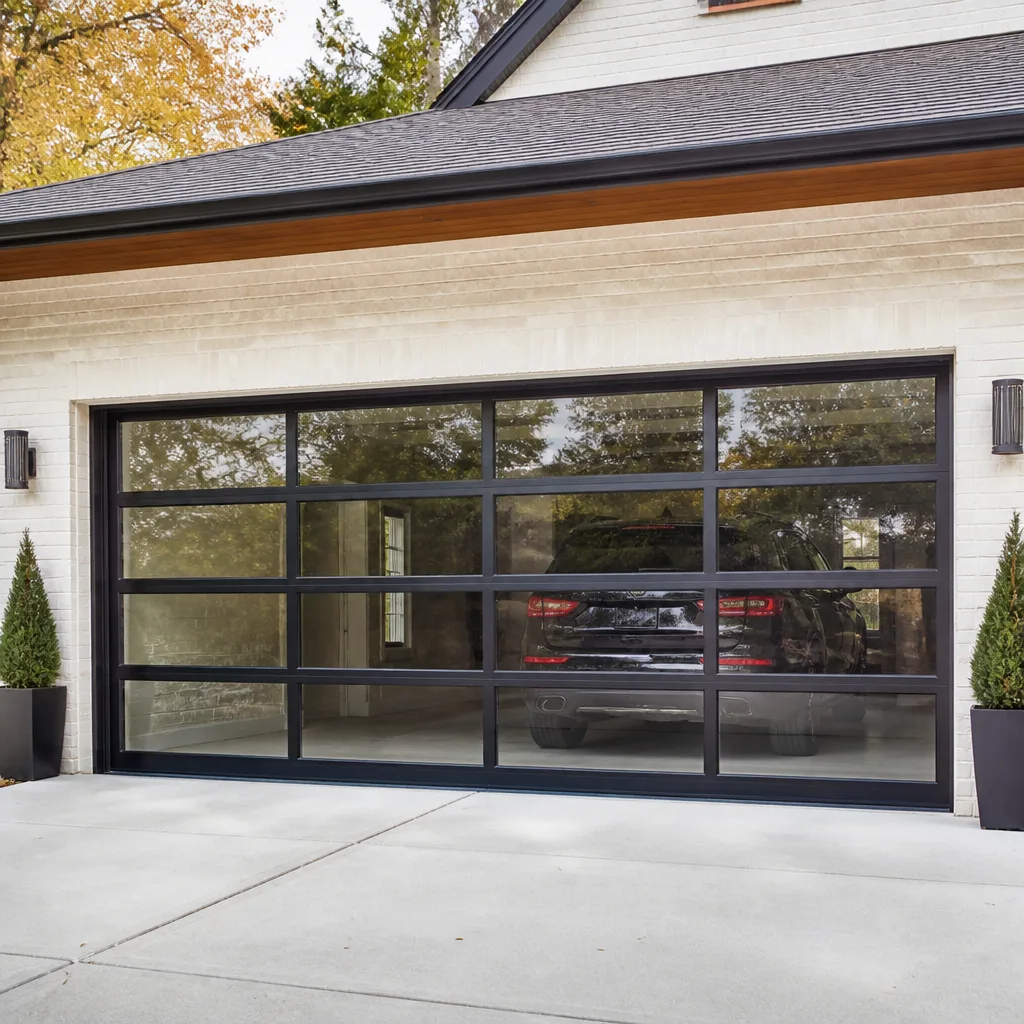 Full-view glass
 LiftMaster openers
 Chamberlain openers
Full 25-point door and opener safety check with every visit - springs, cables, rollers, tracks, and your LiftMaster or Chamberlain opener included
You get a price before we start. It does not change when the pro arrives.
Get your free estimateSeasonal Garage Door Care for Plantation: Year-Round Homeowner’s Guide
If your garage door maintenance routine treats January and July the same, you’re maintaining it on a schedule designed for someone in Charlotte. Plantation doesn’t hand you four crisp seasons. It hands you a hurricane window, a dry dust season, and a summer heat peak that punishes springs and opener motors in ways most checklists never mention. The calendar here runs on storm prep and humidity, not on leaves and frost. This guide maps garage door care to the cycles Plantation actually has, from April prep to the dry-season lubrication window, and tells you what to test, tighten, and leave to a specialist. You’ll finish knowing what your door needs, and when.
Quick Answer
Seasonal garage door care in Plantation follows three real cycles: a pre-storm inspection window in April and May, an active hurricane season from June through November when you should know how to release and secure your door, and a dry season from December through March that’s the best time for lubrication, weatherseal replacement, and cable inspection. Summer heat above roughly 95°F stresses torsion springs and opener motors, and a west-facing door runs hotter than an east-facing one.
Styles & brands we work with
- Raised-panel steel
- Carriage house
- Modern flush
- Full-view glass
- LiftMaster openers
- Chamberlain openers
Table of Contents
- Pre-Storm Season Prep: April and May
- Hurricane Season Protocol: June Through November
- Dry Season: December Through March
- Summer Heat Stress on Springs and Openers
- East-Facing vs. West-Facing Doors
- Weatherseals, Dust, and the Dry Cycle
- What to Check Yourself vs. What to Leave Alone
- A Month-by-Month Care Schedule
Pre-Storm Season Prep: April and May
April and May are your window to get ahead of hurricane season. This is when you inspect and adjust, before the first named storm watch, so a small problem doesn’t become a storm-day surprise. A door that binds, rattles, or reverses unevenly is a door that behaves worse under wind pressure. Getting ahead of it now is cheaper than repairing it after.
Here’s what to check in late spring:
- Run the door through a full open and close cycle. Watch it. Listen to it. A door that shudders, jerks, or slows on one side is telling you something.
- Test the auto-reverse safety feature. Place a roll of paper towels or a 2×4 flat on the ground in the door’s path and close it. The door should reverse on contact. If it doesn’t, stop using the opener until it’s fixed.
- Check the photo-eye sensors at the base of the tracks. Wipe them clean and make sure the indicator lights on both are lit. Misaligned or dirty sensors are the most common cause of a door that won’t close.
- Tighten the track bolts and the hinge screws. Vibration loosens hardware over the year. A half-turn on the right bolts quiets a rattling door.
- Look at the weatherseal along the bottom and around the frame. A seal that’s cracked or pulling away lets wind-driven rain in during a storm.
- Clear the tracks of grit and debris. A clean track is a smooth-running door.
Do not adjust the torsion springs or the cables yourself. Those components are under heavy tension, and a mistake there can cause serious injury. If a cycle feels stiff or the door seems heavy when you lift it by hand (with the opener disconnected), that’s a call to a specialist, not a weekend project. In our experience, spring and cable work is where most serious garage door injuries happen.
Hurricane Season Protocol: June Through November
Once hurricane season is active, your job shifts from maintenance to readiness. The most important thing to know is how to operate your door manually. If the power goes out during a storm, an opener with no battery backup leaves the door stuck down. Every opener has a manual release cord. Pulling it disconnects the door from the opener so you can lift it by hand. Know where that cord is before you need it, not after.
After a storm event, run through this assessment before you use the door again:
- Look at the door panels from the outside. Dents, kinks, or a panel that’s visibly bowed means the door’s structural integrity may be compromised. Don’t operate it until it’s inspected.
- Check the tracks for bending or twisting. Wind pressure and impact debris can knock a track out of alignment.
- Look for any cable that’s come off its drum or hangs loose. A slack or snapped cable is dangerous. Do not touch it or try to re-seat it.
- Test the opener only after you’ve confirmed the door is intact. If the door is damaged, forcing it with the opener stresses the opener and the door further.
- Clear debris from the tracks and the door’s path. Storm-blown debris is a common cause of a door that won’t close.
If anything looks off, leave the door down and call for an assessment. A compromised door that’s forced open can cause injury or further damage. If your opener is an older model without battery backup, this is the season to think about upgrading through garage door opener repair, so you’re not locked out of your own garage when the grid goes down. For doors that took structural damage, our garage door repair team can assess whether the panels can be straightened or need replacement.
Dry Season: December Through March
Dry season is the best maintenance window of the year in Plantation. The humidity drops, the afternoon storms stop, and you can spend time on the door without sweating through your shirt. More practically, the conditions are right for the preventive work that extends component life.
Three tasks belong in this window:
- Lubrication. Apply a garage-door-specific lubricant to the hinges, rollers, and the spring coils (never a general-purpose oil or grease – it attracts dirt and gums up). The dry air means the lubricant stays put instead of washing off in afternoon rain.
- Weatherseal replacement. The bottom seal and the perimeter seal take a beating through the wet season. Dry season is when you can replace them without rain getting under the work. A fresh seal keeps out dust, heat, and small pests.
- Cable inspection. Cables fray over time from the constant cycling. A dry-season inspection catches a frayed cable before it fails. This is a visual check only – inspecting is fine, adjusting is not.
Dry season dust is its own cycle. The dry months kick up fine grit that works its way into the tracks and the hinges, and that grit acts like sandpaper on the rollers. Wiping the tracks clean every few weeks in December through March keeps the rollers round and quiet. It’s a small habit with a long payoff, and it’s the single easiest thing you can do to protect your door’s mechanical parts during Plantation’s dry months.
Summer Heat Stress on Springs and Openers
Summer is the hardest season on your garage door’s two most critical components: the torsion springs and the opener motor. Torsion springs are steel under constant tension, and heat relaxes them. An opener motor runs hotter in an unventilated garage that’s baking at 100°F or more. Both fail more often in the July and August heat peak than at any other time of year.
What heat stress looks like:
- A door that feels heavier than it used to. Springs lose tension as they heat up. If the door is noticeably harder to lift by hand, the springs are weakening.
- An opener that strains or trips its overload. A hot motor working harder is a motor heading for failure. If your opener cuts out after a few cycles on a hot afternoon, that’s a heat symptom, not a fluke.
- Uneven closing. One side of the door lagging is often a spring or cable issue that heat makes worse.
One number worth knowing: once afternoon temperatures push past about 95°F, the stress on springs and motors climbs noticeably. Plantation sees those days through the summer, and a garage that faces full afternoon sun can run 10 to 20 degrees hotter inside than the outside air. That’s the difference between a spring that lasts its expected life and one that snaps early. Spring replacement is one of the most hazardous repairs on a garage door, so when a spring does fail, it’s a job for a trained specialist, not a DIY fix. If you’re hearing a sharp bang from the garage on a hot afternoon, that’s likely a spring breaking – stop using the door and call.
East-Facing vs. West-Facing Doors
Which way your garage faces quietly changes your risk profile in Plantation. An east-facing door catches the morning sun and is shaded through the hottest part of the day. A west-facing door takes the full afternoon sun, right when temperatures peak. That difference matters for both springs and opener motors.
What it means in practice:
- West-facing garages run hotter. The door and the air behind it absorb heat all afternoon. The springs and the opener motor inside that bay see higher sustained temperatures.
- Heat shortens spring life. A west-facing door’s springs cycle at higher temperature and typically fatigue faster than an east-facing door’s.
- Opener motors work harder. A motor in a hot, unventilated garage is closer to its thermal limit on every cycle.
If your garage faces west, treat the summer more carefully. Watch for the strain signs above, and be quicker to call when something changes. You don’t need to replace anything preemptively, but you do need to pay attention. An east-facing garage gives you a little more margin. Either way, the maintenance schedule is the same – it’s the watchfulness that changes with orientation. A technician assessing your door can confirm the spring’s condition and tell you how much life it has left, which is more useful than guessing based on the calendar alone.
Weatherseals, Dust, and the Dry Cycle
Weatherseals are the least glamorous part of your garage door and the first thing to fail in Plantation’s climate. The bottom seal and the perimeter seals do three jobs: they keep out wind-driven rain during hurricane season, they keep out the dry-season dust, and they help hold cooled or heated air inside the garage. When they crack, you lose all three.
Signs it’s time to replace the seals:
- The bottom seal is cracked, brittle, or has visible gaps when the door is down.
- You can see daylight under the door or around the frame.
- Dust builds up along the inside bottom edge of the door faster than it used to.
- The door no longer closes snugly against the floor.
Dry season, December through March, is the right window for this work. The seal adheres and sets better in low humidity, and you’re not racing an afternoon thunderstorm to finish the job. Replacing a bottom seal is a job most handy homeowners can manage, but if the perimeter seals or the door’s bottom section are involved, it’s worth having a specialist look. The seals interact with the door’s balance, and a misaligned seal can cause the door to bind. A proper seal job restores the door’s fit and keeps the dry-season dust where it belongs: outside. If your seals are past saving and the door panels are sagging along with them, a replacement might make more sense than a repair, and our garage door installation service covers the full pipeline from choosing a door to the finished install.
What to Check Yourself vs. What to Leave Alone
Some seasonal checks are safe for any homeowner. Others are genuinely dangerous and belong to a specialist. Knowing the line is the most important skill in this guide.
Safe to do yourself:
- Visual inspection of panels, tracks, hinges, and seals.
- Testing the auto-reverse safety feature.
- Cleaning and aligning the photo-eye sensors.
- Wiping down the tracks and lubricating hinges and rollers with a garage-door-specific lubricant.
- Tightening visible bolts and screws on the tracks and hinges.
- Operating the door manually using the release cord during a power outage.
Leave to a trained specialist:
- Adjusting or replacing torsion springs. These are under heavy tension and can cause severe injury if handled incorrectly.
- Touching the cables. A cable under tension can snap.
- Adjusting the opener’s force or travel limits if you’re not certain of the procedure.
- Straightening bent tracks.
- Any repair that requires the door to be under load.
The springs and cables are the components that hurt people. We mean that literally. A torsion spring that lets go can break a hand or worse. If a check turns up a spring or cable problem, stop and call a professional. Our technicians have up to 15 years of experience with exactly these components, and they work on them safely as a matter of routine. That’s not caution for its own sake – it’s the difference between a repair and an emergency room visit.
A Month-by-Month Care Schedule
Here’s the whole year on one calendar, built around Plantation’s real cycles rather than a generic four-season template.
April and May (pre-storm prep):
- Run a full open-and-close cycle and listen for changes.
- Test the auto-reverse feature and the photo-eye sensors.
- Tighten track bolts and hinge screws.
- Inspect weatherseals for cracks.
- Clear the tracks of debris.
June through November (hurricane season):
- Confirm you know where your manual release cord is.
- After any storm event, inspect panels and tracks before using the door.
- Keep the tracks clear of storm debris.
- Watch for strain signs in the opener during the heat peak.
December through March (dry season):
- Lubricate hinges, rollers, and spring coils.
- Replace the bottom weatherseal and inspect the perimeter seals.
- Do a visual cable inspection and note any fraying.
- Wipe the tracks every few weeks to clear dry-season dust.
Fit this schedule around your own routine rather than treating it as a rigid checklist. The point is the pattern: prep before the storms, stay ready through them, and do the deep maintenance when the air is dry. That pattern is what separates a door that lasts from a door that keeps calling you back.
Common Mistakes to Avoid
- Maintaining on a Northern schedule. Lubricating in the wet season means the lube washes off in the rain. Do the deep maintenance in the dry months, not in June.
- Ignoring the opener during hurricane prep. Homeowners check the door and forget the opener. If it has no battery backup, a power outage after a storm leaves the door stuck down. Test it before the season starts.
- Using the wrong lubricant. General-purpose oil or grease attracts grit and gums up the rollers and hinges. Use a garage-door-specific lubricant on the moving parts, and keep it off the tracks themselves.
- Forcing a damaged door after a storm. Operating a door with a bent panel or a twisted track with the opener makes the damage worse. Inspect first, force never.
- Adjusting springs or cables yourself. These components are under heavy tension and cause serious injuries. This is the one mistake on the list that can put you in the hospital.
- Skipping the photo-eye test. A misaligned or dirty sensor is the most common reason a door won’t close. It’s a two-minute check and it prevents a lot of frustration.
- Letting dry-season dust build up. Fine grit in the tracks works like sandpaper on the rollers. A quick wipe every few weeks in December through March keeps the mechanical parts running smoothly.
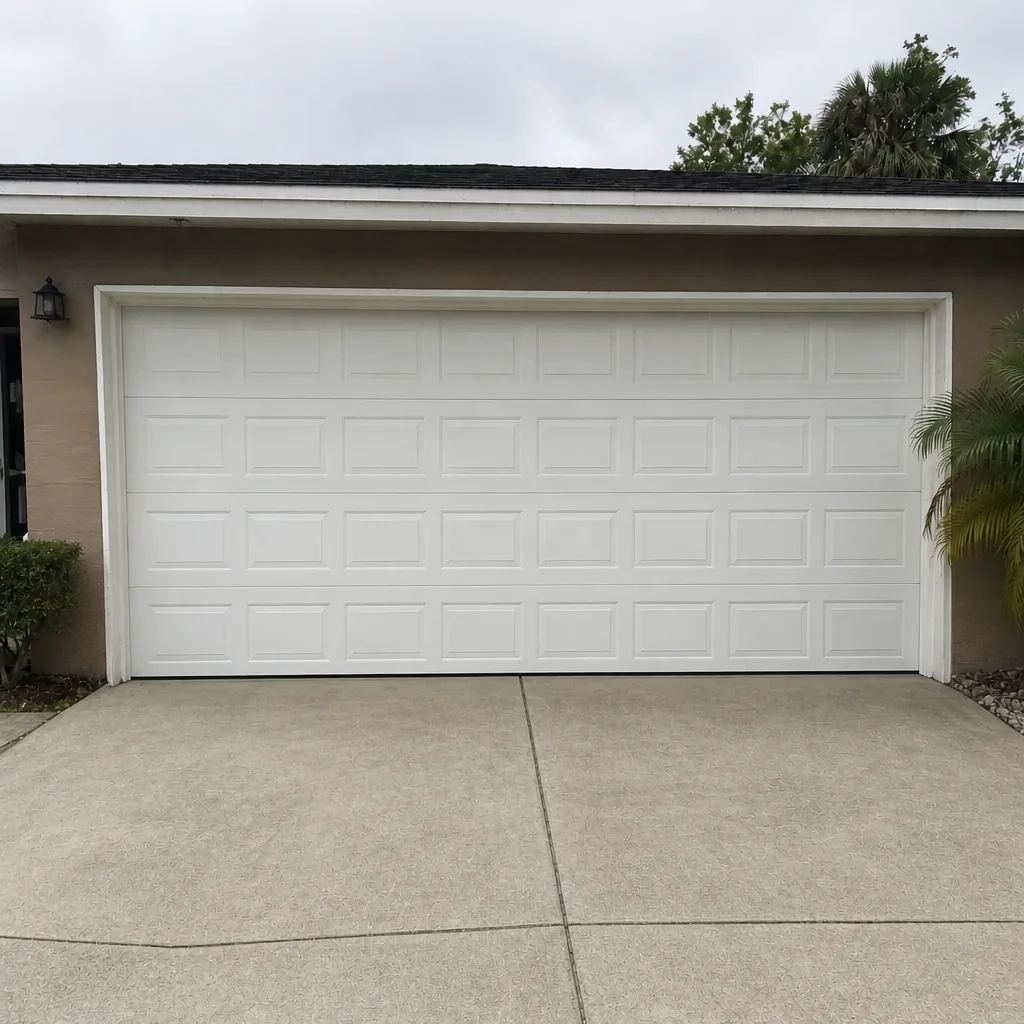
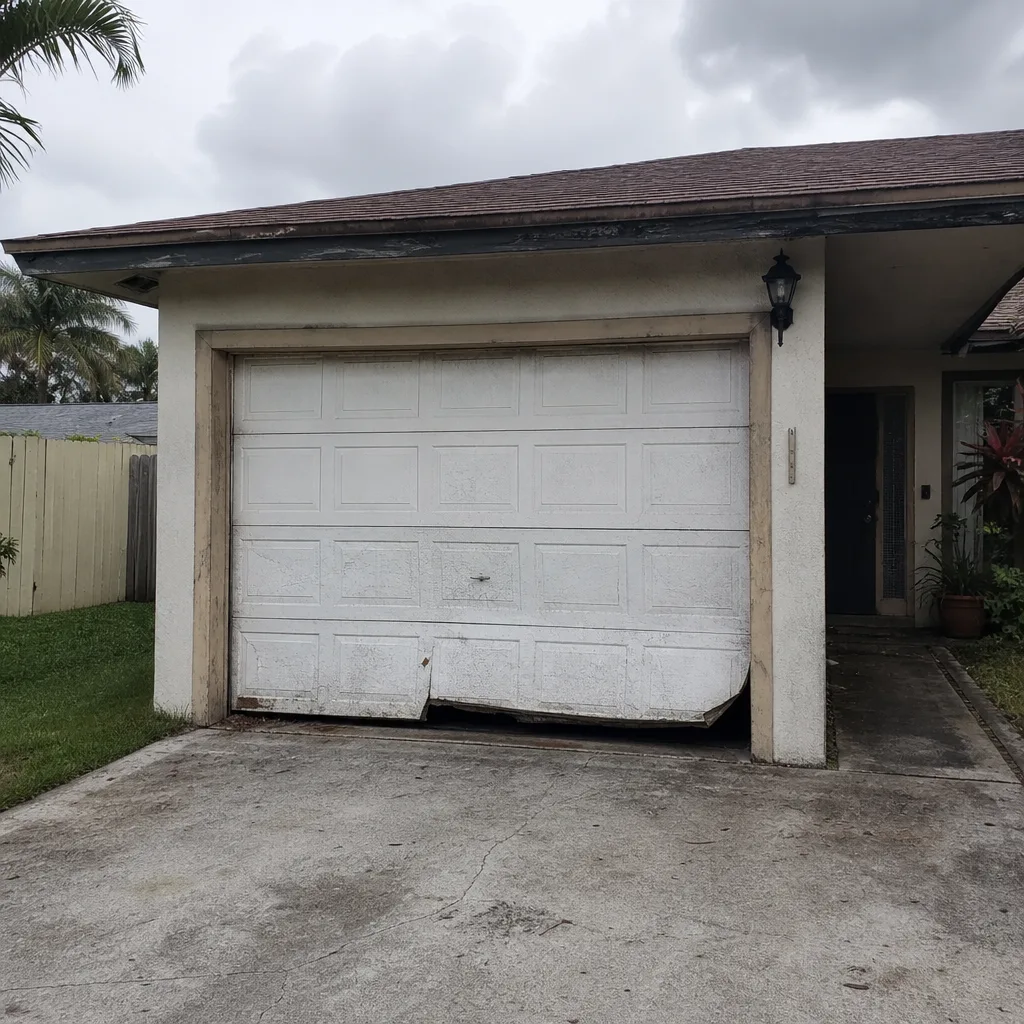
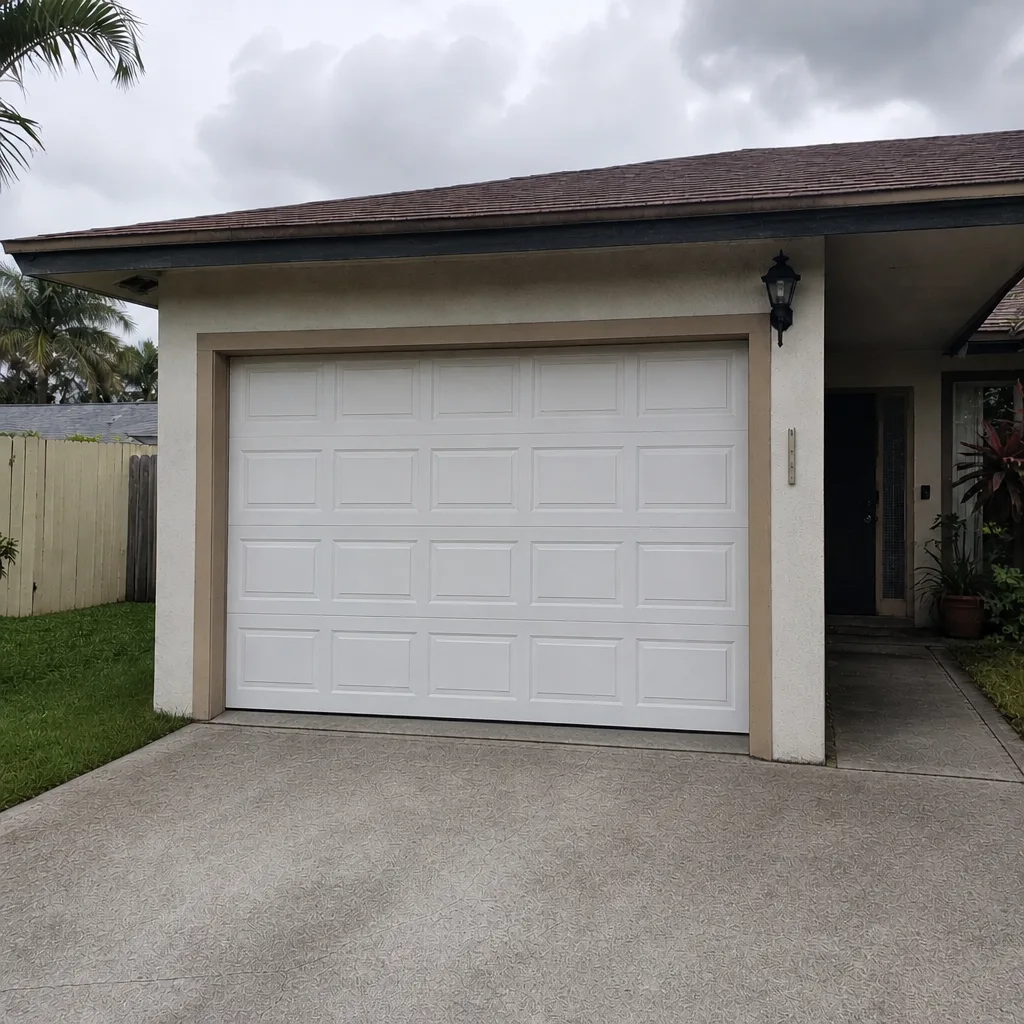
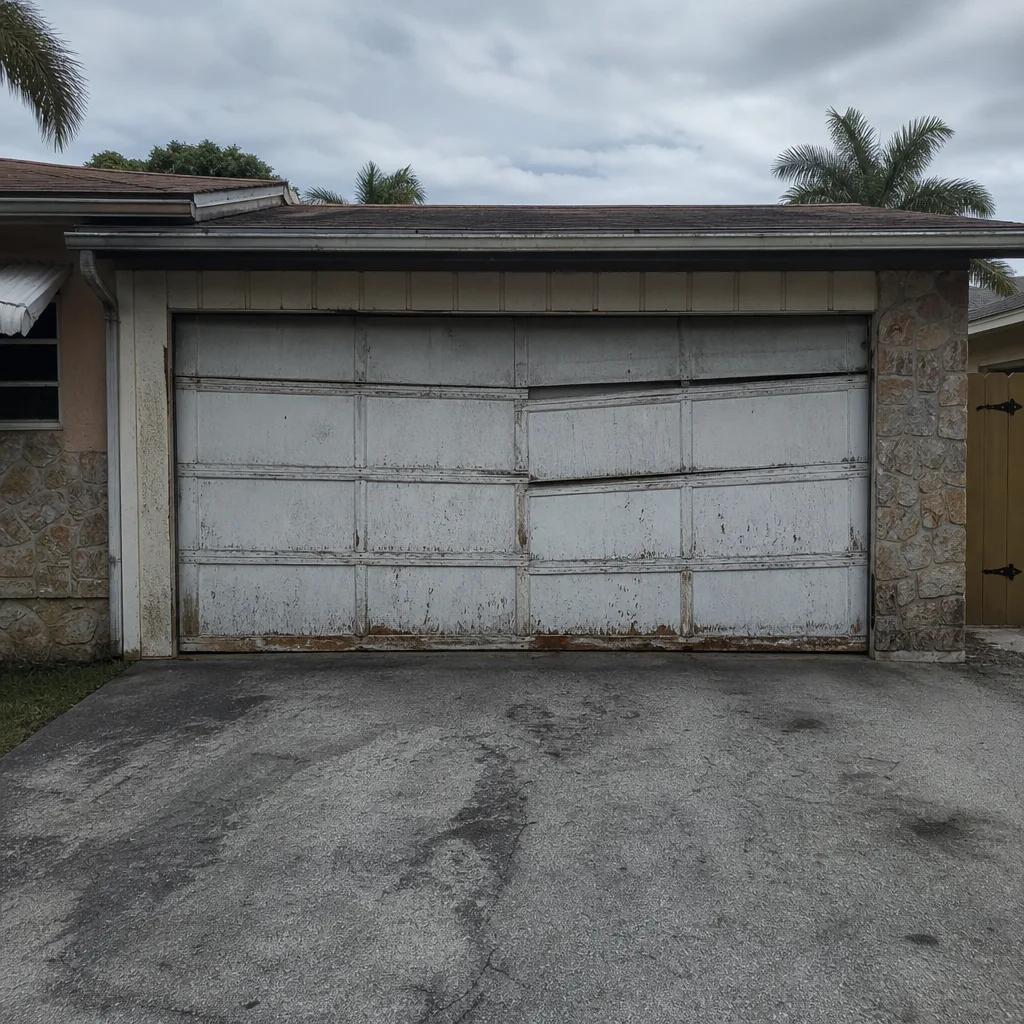
See the difference
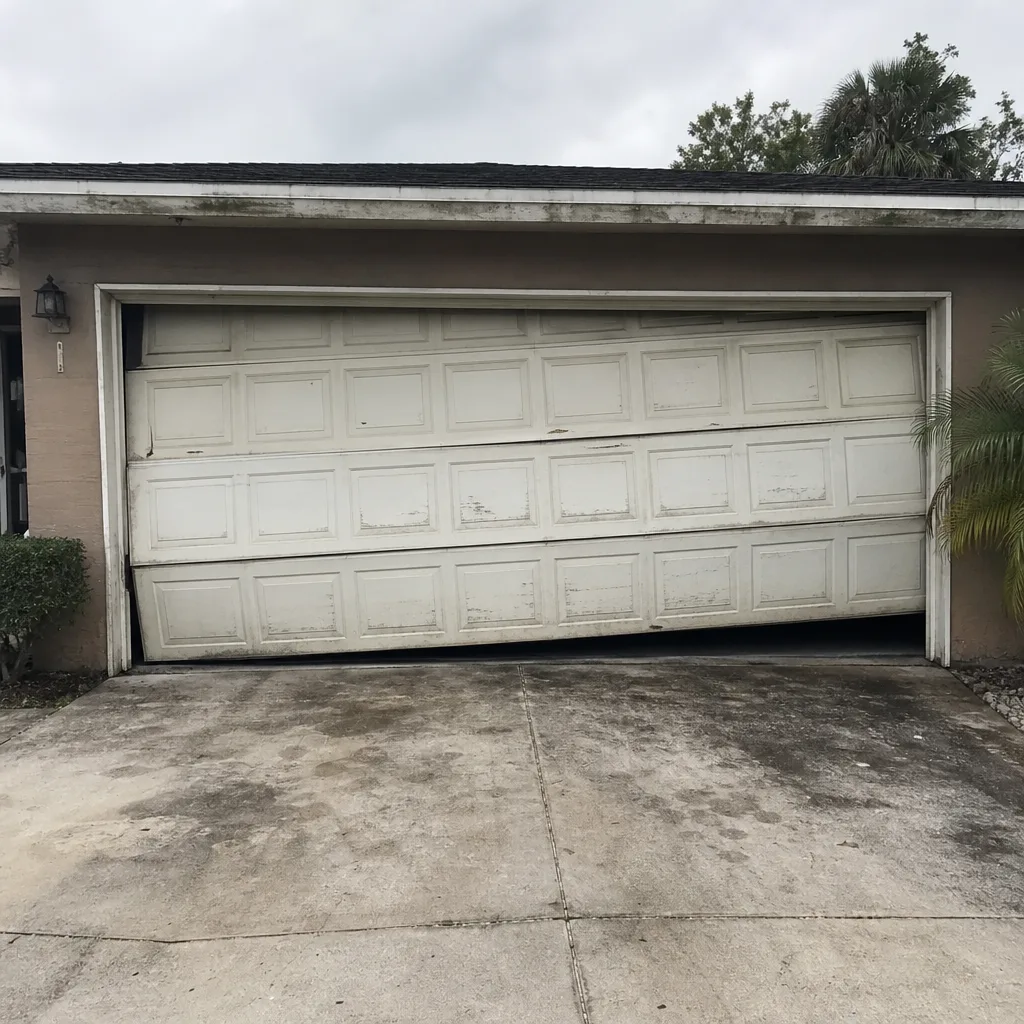 Before
 After
 Before
 After
 Before
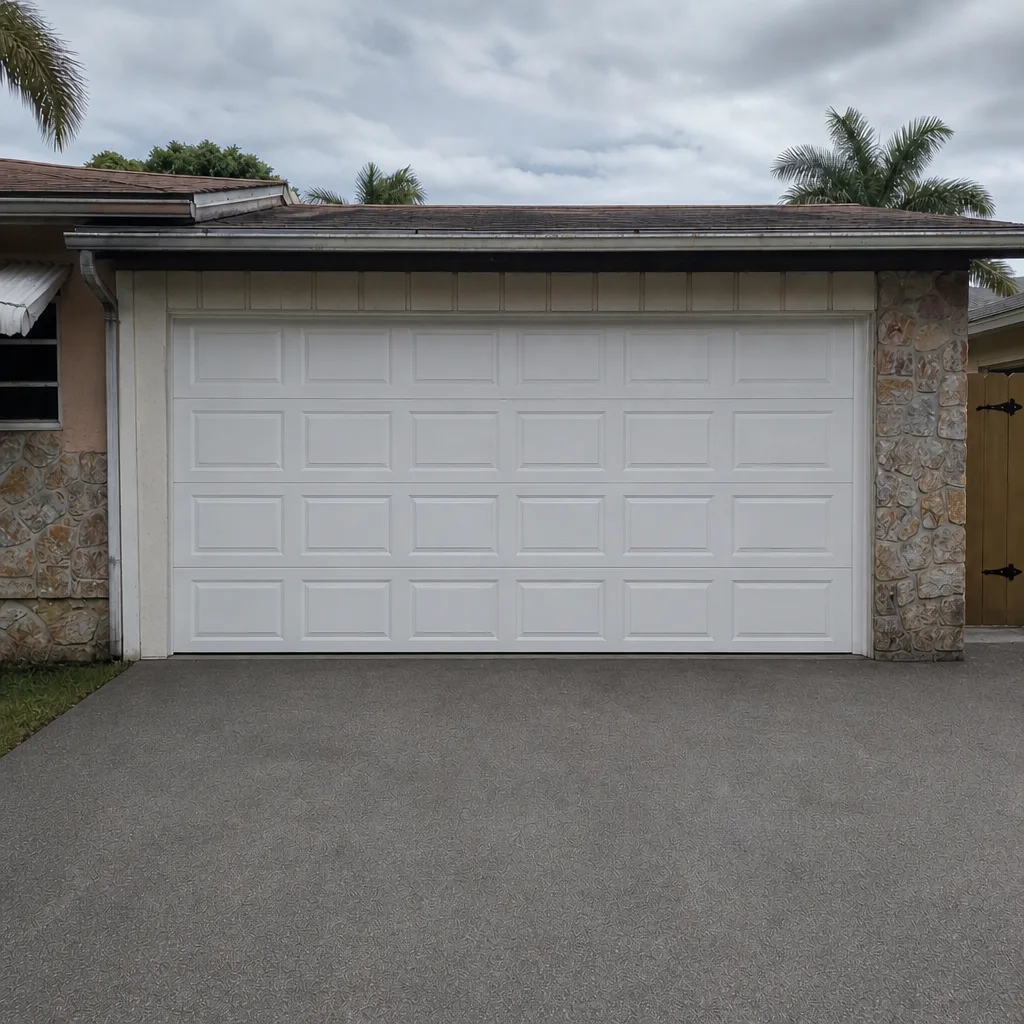 After
When to Call a Professional
Call a professional when the door won’t reverse on contact, when you hear a sharp bang from the garage, when the door feels heavy to lift by hand with the opener disconnected, when a cable looks frayed or has come off its drum, when a track is visibly bent, or when the opener strains or cuts out on hot afternoons. Those are the situations where a small issue can become a big one, or where the fix involves the dangerous components. Plantation Garage Door Repair Co offers free estimates in Plantation – call (833) 339-1248. Our technicians have up to 15 years of experience and are familiar with the most common systems in local homes, including LiftMaster, Chamberlain, Genie, and Raynor equipment, so there’s no learning curve when they arrive. They’ll look at the door and the opener together and tell you the right fix for your specific system before any work starts.
Frequently Asked Questions
Once a year is the baseline, and the dry season from December through March is the best time to do it. Add a quick self-check in April and May before storm season, and an inspection any time the door starts to feel or sound different. The annual professional service plus your own seasonal checks covers the whole year.
Yes. Hurricane season, June through November, is when wind-driven rain and storm debris can damage tracks, seals, and panels. Prep before June by checking the seals, testing the sensors, and confirming you know how to use the manual release. After any storm, inspect the door before using it.
No. Torsion springs are under heavy tension and adjusting or replacing them can cause serious injury. This is a job for a trained specialist. If a spring fails or you suspect it’s weakening, stop using the door and call a professional.
Heat. An opener motor in an unventilated garage that reaches 100°F or more works harder on every cycle and runs closer to its thermal limit. If your opener cuts out on hot afternoons or strains more than it used to, the motor or the springs may be the cause – have it assessed.
It does in Plantation. A west-facing door takes the full afternoon sun and runs hotter inside than an east-facing one, which adds stress to the springs and the opener motor. If your garage faces west, pay closer attention to the strain signs through the summer heat peak.
The local professionals we connect you with are licensed and insured as their state requires. Our technicians have up to 15 years of experience and specialize in garage doors only, from spring and opener repairs to full installations. Call (833) 339-1248 for a free estimate.
The Bottom Line
Plantation doesn’t give you four seasons, but it does give you three clear maintenance windows. April and May are for storm prep: test the sensors, tighten the hardware, check the seals. June through November are for readiness: know your manual release, inspect after storms, watch the opener in the heat. December through March are for the deep work: lubrication, seal replacement, cable inspection, and dust control. Add the heat and orientation watch through summer, respect the danger of springs and cables, and your door will last. The schedule is simple. The mistake is treating Plantation like it’s somewhere else.
For a full garage door repair, opener repair, or installation estimate, the team at Plantation Garage Door Repair Co is ready to help. Give us a call at (833) 339-1248 for a free estimate, and we’ll assess your specific system and talk through the right fix.
Written by the team at Plantation Garage Door Repair Co.