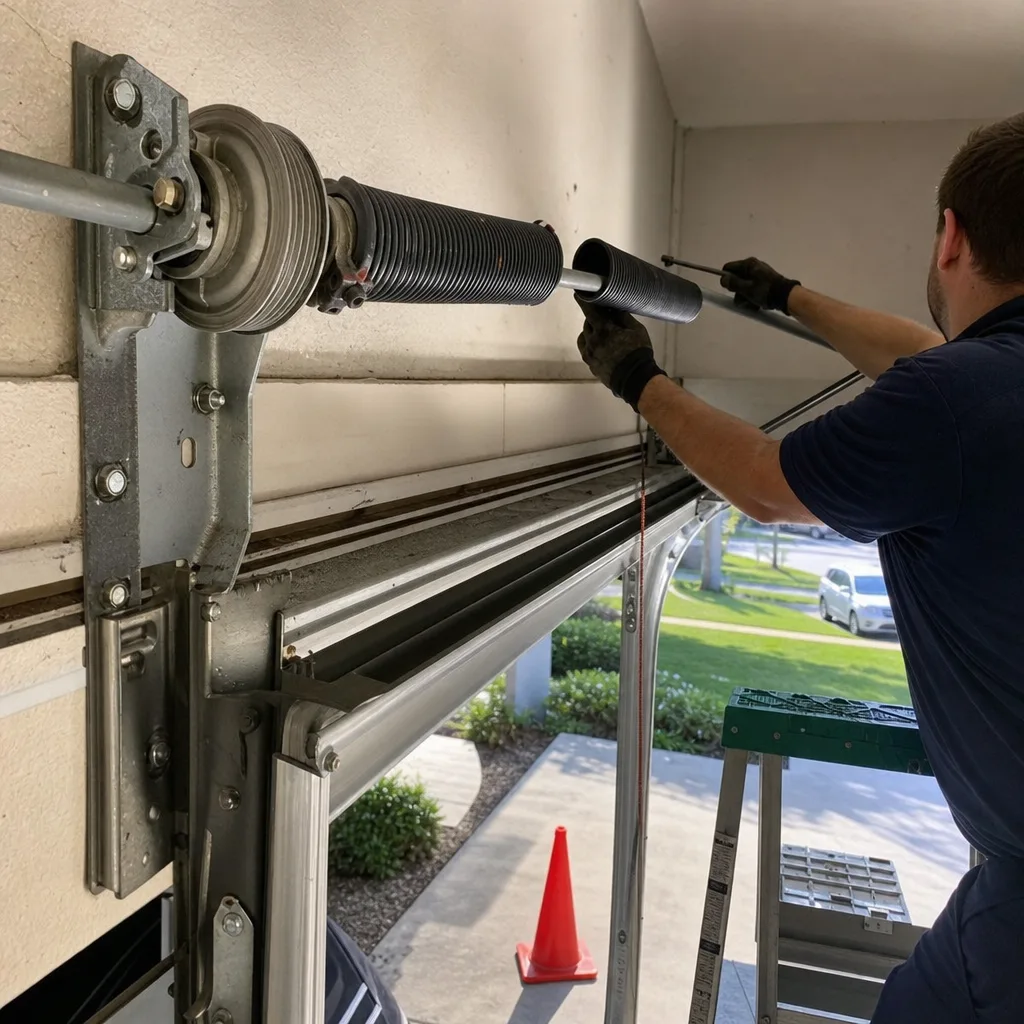
Last updated November 20, 2026
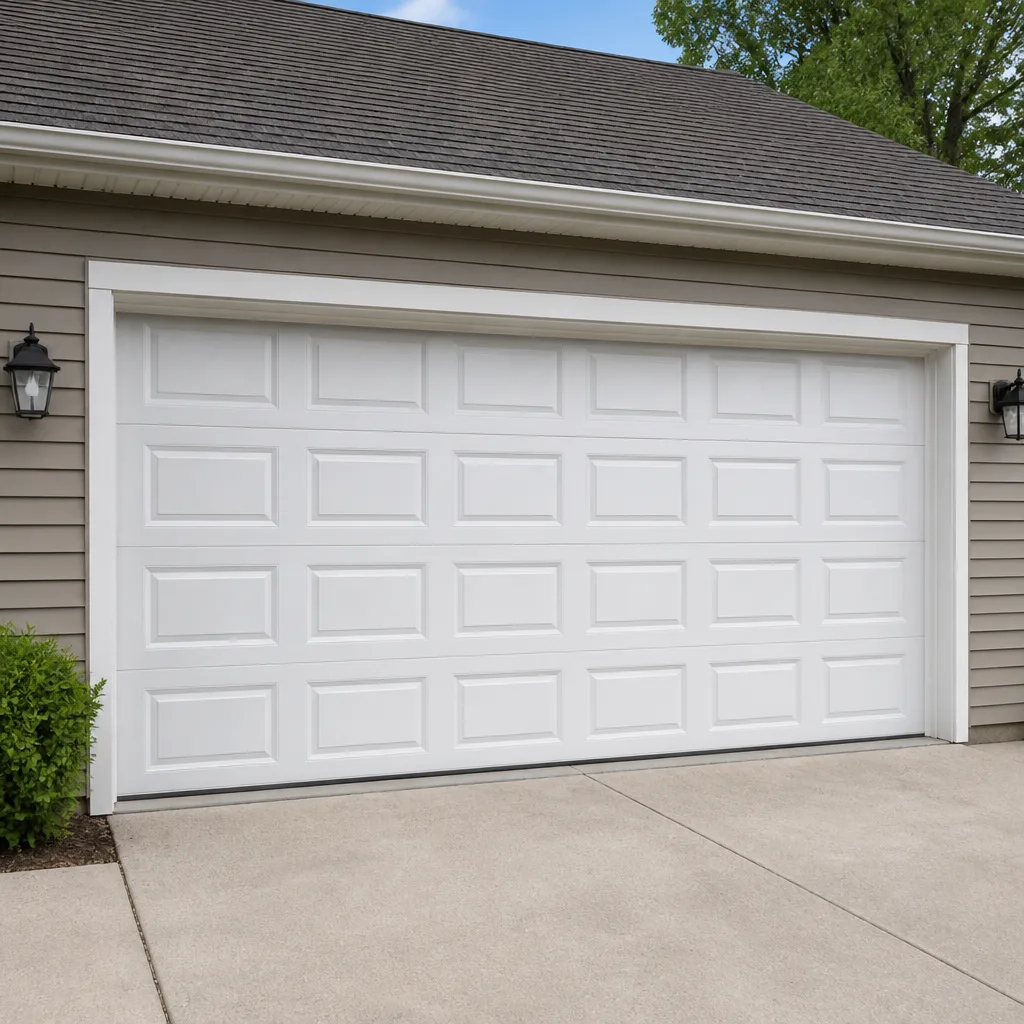 Raised-panel steel
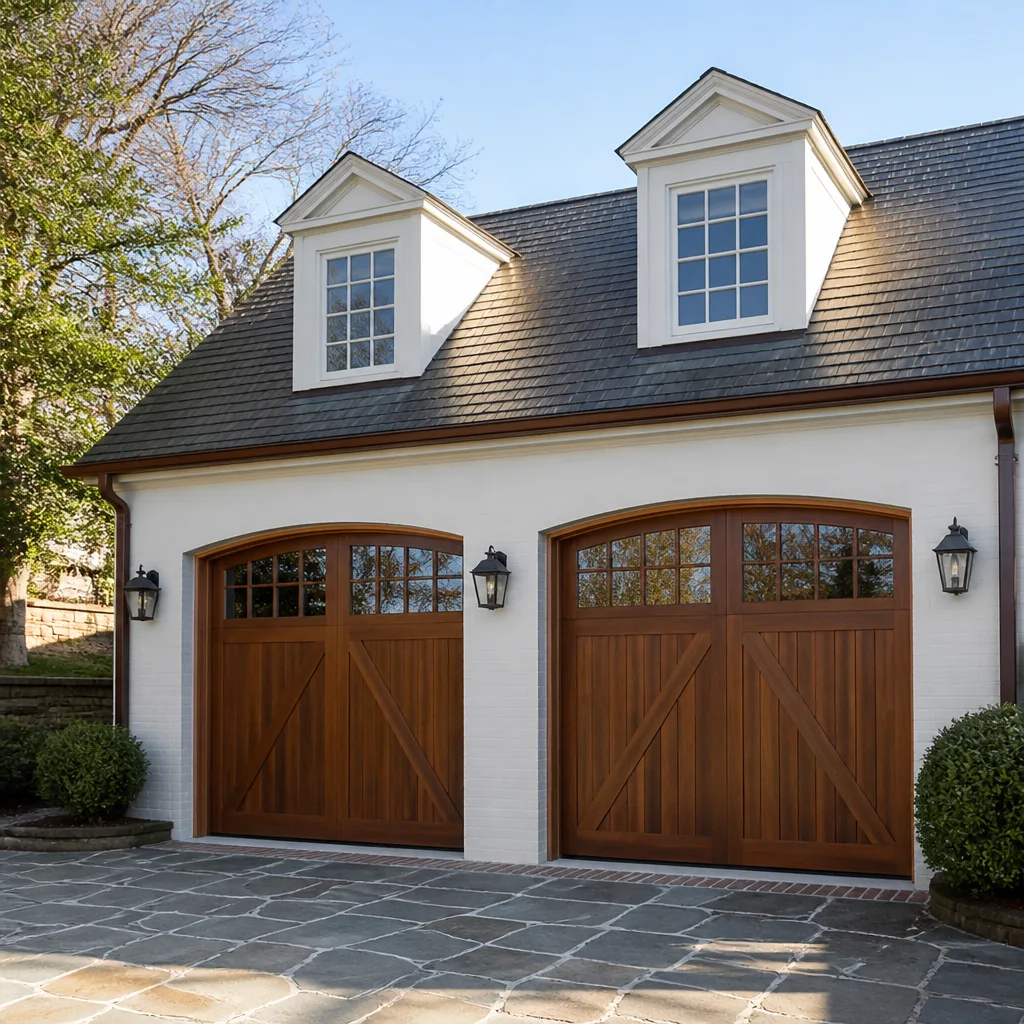 Carriage house
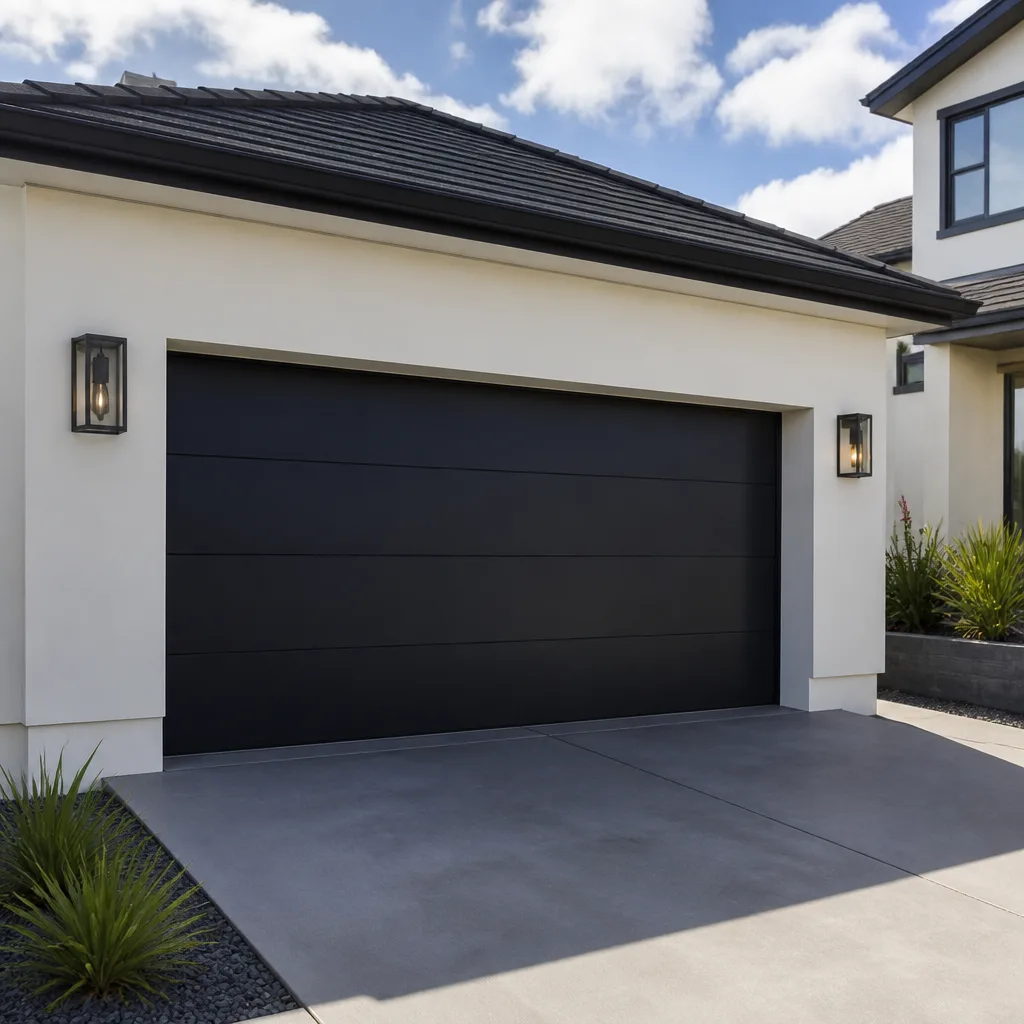 Modern flush
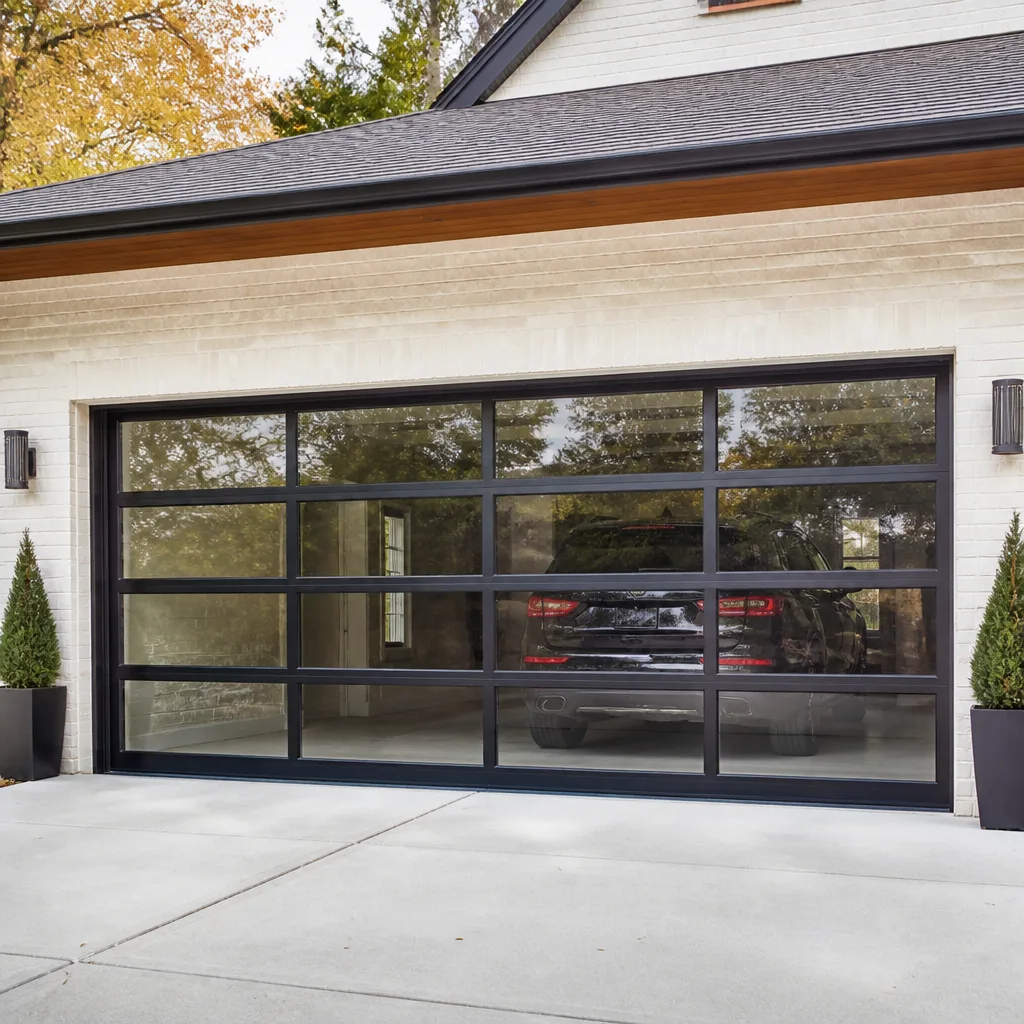 Full-view glass
 LiftMaster openers
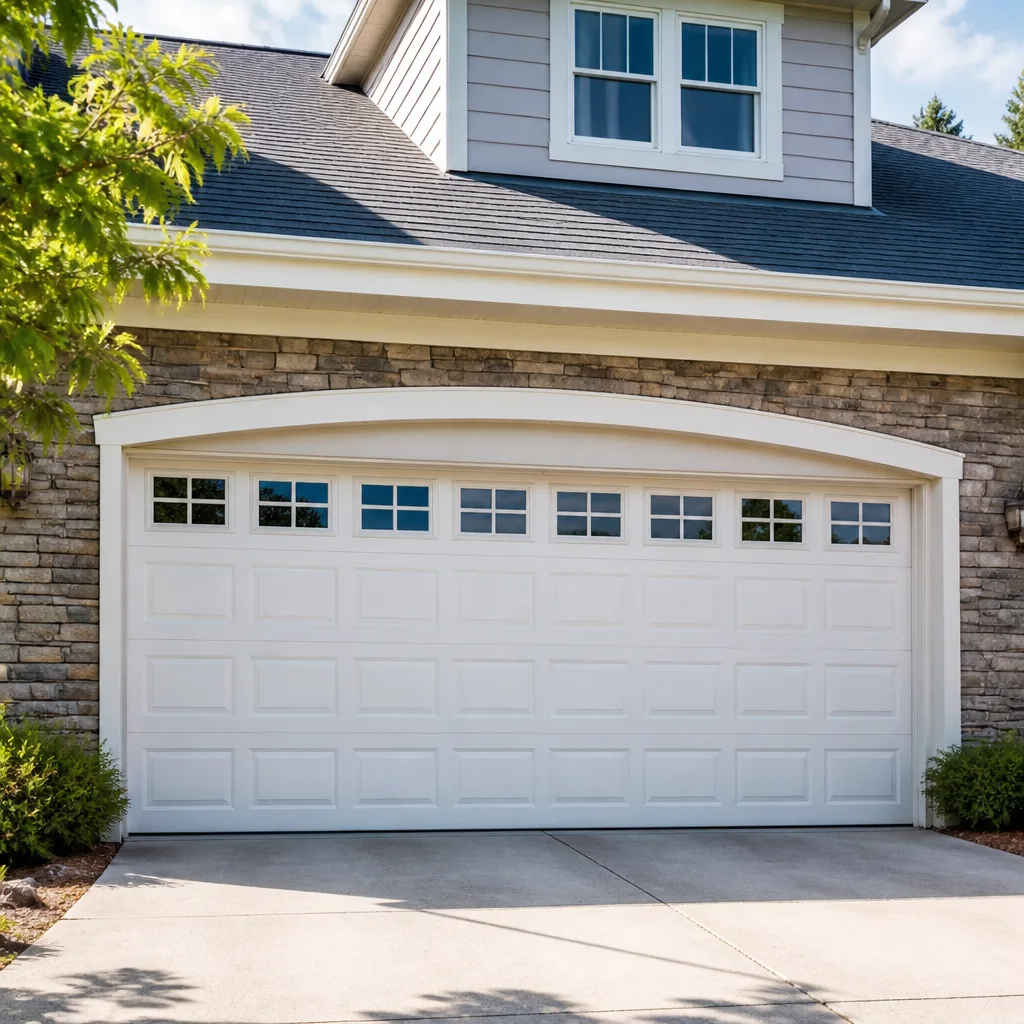 Chamberlain openers
Full 25-point door and opener safety check with every visit - springs, cables, rollers, tracks, and your LiftMaster or Chamberlain opener included
You get a price before we start. It does not change when the pro arrives.
Get your free estimateGarage Door Repair Maintenance Checklist for Plantation Homeowners
The standard “lubricate in spring, inspect in fall” advice was written for climates with four seasons. Plantation has two: hot-and-humid and hot-and-stormy. That changes the schedule entirely. Hardware that gets a six-month reprieve in cooler parts of the country here faces year-round heat, near-constant humidity, and a storm season that arrives with real force. A checklist built for Ohio or Colorado will leave you fixing things that a Plantation-specific routine would have caught early. Below you’ll find a task-by-task schedule tied to what South Florida actually does to springs, hinges, rollers, and weatherseals – not a calendar that doesn’t apply to your garage.
Quick Answer
A proper garage door maintenance checklist in Plantation covers monthly visual checks, quarterly lubrication and hardware tightening, and a focused pre-hurricane inspection before the storm season peak in late May. Because South Florida’s heat accelerates grease breakdown and humidity speeds corrosion on springs and hinges, most maintenance tasks are due more often here than in a four-season climate.
Styles & brands we work with
- Raised-panel steel
- Carriage house
- Modern flush
- Full-view glass
- LiftMaster openers
- Chamberlain openers
Table of Contents
- Why Plantation’s Climate Changes Your Maintenance Calendar
- Pre-Hurricane Season Inspection: The May Deadline
- Spotting Corrosion Before It Becomes a Failure
- Choosing the Right Lubricant for High-Heat Conditions
- Weatherseal Inspection for Plantation’s Rain Patterns
- The Monthly and Quarterly Routine
- Opener Care and the Warranty Traps to Avoid
- What You Should Never Adjust Yourself
Why Plantation’s Climate Changes Your Maintenance Calendar
Garage door maintenance advice circulating online assumes temperature swings, dry air, and a cold season that forces hardware to contract. Plantation doesn’t work that way. The area runs warm and humid through most of the year, and the brief cooler stretch doesn’t get cold enough to reset the wear clock. That means metal parts stay expanded, lubricants stay thin, and moisture sits against surfaces for months at a time.
The practical effect is that several maintenance intervals shrink. Where a northern homeowner might lubricate twice a year, a Plantation garage benefits from quarterly attention. Where corrosion is a slow background concern elsewhere, here it can move faster on unprotected steel because the air stays damp for so long. And the storm season doesn’t just create wind concerns – it drives rain at angles that test every seal on the door.
None of this means the door needs constant work. It means the schedule should match the conditions. A garage door specialist familiar with South Florida housing stock notices the difference quickly: doors that get a proper local routine last longer between repairs, and problems that do appear tend to be smaller when they’re caught early.
Pre-Hurricane Season Inspection: The May Deadline
The most important maintenance window of the year in Plantation closes around the end of May, before storm season reaches its most active stretch. This isn’t a cosmetic check. A garage door is one of the largest openings in a home, and the hardware and seals that hold it secure need to be verified before wind and rain arrive.
- Test the balance. Disconnect the opener and lift the door halfway by hand. It should hold there with little effort. If it drops or rises on its own, the springs are out of balance and should be checked before storm season.
- Inspect every hinge and roller. Look for rust, cracking, or loosened screws. Humidity-corrosion starts small and spreads; a hinge that looks fine in March can be compromised by June.
- Check the weatherseal along the bottom and sides. Run a hand along the seal for gaps, hardening, or tears. In Plantation, rain rarely falls straight down, so side seals matter as much as the bottom seal.
- Verify the opener and safety reversal. Confirm the auto-reverse works by placing a test object in the door’s path. The opener should reverse on contact.
- Secure loose hardware. Tighten all bolts on the track brackets and the door’s hinges. Loose brackets rattle more in gusty conditions and can work themselves free.
- Photograph the current condition. A photo helps you notice changes after a storm and provides a record for your own reference.
If any of these steps reveals a problem, coordinate the fix early. Getting on the schedule before storm season rather than during it gives you more options and less stress. A trained garage door technician can usually identify an issue in a single visit and tell you whether a repair or replacement is the sensible path.
Spotting Corrosion Before It Becomes a Failure
In high-humidity environments, corrosion on springs, hinges, and rollers often starts invisibly. A light film of rust on a hinge may not look like much, but it can create friction that wears the roller and stresses the track. On torsion springs, corrosion can reduce the metal’s ability to flex and increase the risk of a spring breaking without warning. Plantation’s climate gives corrosion plenty of time to work quietly.
Here’s where to look and what to watch for:
- Springs: Look for pitting, discoloration, or a flaking surface on the coils. Any visible rust on a torsion spring is worth a professional look. Do not touch, adjust, or try to clean the spring yourself – it’s under high tension and can cause serious injury.
- Hinges: Check the pivot points for a brown-orange tint or a gritty feel when the door moves. Sound hinges should move smoothly. A hinge that sticks or squeaks persistently may already be compromised.
- Rollers: Nylon rollers can develop flat spots from heat and friction; steel rollers can rust. If a roller wobbles or squeals, it’s a signal to replace.
- Track surfaces: Look for surface rust inside the track channel. Rust adds friction and can cause the door to bind.
Catching corrosion early is far easier than dealing with the aftermath. A garage door specialist can treat, lubricate, or replace the affected parts before a small issue turns into a call for garage door repair. If the door is already making grinding or popping noises, it’s time for a professional inspection rather than a wait-and-see approach.
Choosing the Right Lubricant for High-Heat Conditions
Standard white lithium grease degrades faster above 90°F. That’s a common fact on garage door guides, but it matters more here than in most places because Plantation’s garages routinely reach that temperature. White lithium grease can thin out, migrate away from the pivot points, and leave metal surfaces under-lubricated. Over time, that accelerates wear on hinges, rollers, and the opener’s drive mechanism.
For a Plantation garage door, a silicone-based lubricant or a high-temperature synthetic grease is generally a better fit. Silicone stays stable across a wide temperature range, doesn’t attract dust the way some greases do, and won’t gum up in the heat. On the rollers and hinges, apply a light coat and wipe away any excess. Don’t spray lubricant on the tracks themselves – tracks should stay clean and dry so the rollers can move freely without slipping.
The parts that benefit from lubrication:
- Hinge pivot points
- Roller stems and bearings
- The torsion spring (a light coat only, applied by a professional; never adjust or handle a spring under tension yourself)
- The opener’s chain or screw drive, following the manufacturer’s recommendation
Brand matters less on the lubricant than the base chemistry. A generic high-temperature silicone product is fine. What you don’t want is an old can of white lithium that’s been sitting in a hot garage for years – the heat may have already broken it down.
Weatherseal Inspection for Plantation’s Rain Patterns
Most weatherseal guides focus on temperature drops and the seal’s ability to block cold air. In Plantation, the primary job of the weatherseal is to keep out wind-driven rain. The area sees intense, sometimes sideways rain during storm season, and a seal that looks intact from a distance can fail when water hits it at an angle.
Check the seal on three surfaces:
- Bottom seal: Look for hardening, cracking, or gaps between the seal and the garage floor. Slide a piece of paper under the door – if it pulls out easily, there’s a gap.
- Side seals: Run a hand along the vertical seals on both sides of the door. Any gaps, tears, or hard spots mean the seal is no longer pressing against the door frame properly.
- Top seal (if present): Check above the header for gaps. This is often overlooked but worth verifying.
A worn seal does more than let water in. It also lets in humid air, which speeds corrosion on the hardware and can cause the door’s panels to warp or swell over time. Replacing a weatherseal is a small job that goes a long way toward protecting the rest of the system. For doors made by Clopay, Amarr, or Wayne Dalton, replacement seals are typically available from the manufacturer or through a garage door specialist.
The Monthly and Quarterly Routine
A realistic schedule breaks into two rhythms: a quick monthly walk-around and a more thorough quarterly service. The monthly routine takes about five minutes; the quarterly one takes twenty to thirty, more if you’re checking the opener.
Monthly Checks
- Open and close the door and listen for new noises – grinding, squealing, popping, or rattling
- Test the safety reversal by placing a roll of paper towels in the door’s path
- Check the weatherseal for visible gaps or tears
- Look at the springs from a distance for any obvious rust or unusual wear
Quarterly Tasks
- Lubricate hinges, rollers, and the opener’s drive components
- Tighten any loose bolts on the hinges and track brackets
- Inspect the track for rust, dents, or misalignment
- Check the opener’s balance and travel limits
- Wipe down the door’s exterior if you notice dirt buildup that could hold moisture
For a door with a LiftMaster, Chamberlain, or Genie opener, quarterly checks are also a good time to test the wall control and the safety sensors. A sensor that’s slightly misaligned or dusty can cause intermittent operation that looks like a major problem. Cleaning the sensor lens with a soft cloth often resolves it. If the opener still misbehaves, it’s worth calling for garage door opener repair rather than adjusting it yourself – each manufacturer’s logic board has its own quirks, and brand-specific expertise saves time.
Opener Care and the Warranty Traps to Avoid
Garage door openers from LiftMaster, Chamberlain, and Genie are generally durable, but certain maintenance tasks can void the warranty if done incorrectly. Knowing the boundaries protects your investment.
- Don’t force-tighten the chain or belt manually. Over-tightening a Chamberlain or LiftMaster chain can wear the sprocket and is often excluded from warranty coverage. Use the opener’s built-in adjustment only.
- Don’t replace the safety sensor with an aftermarket part. Genie and LiftMaster are specific about compatible sensors. A mismatched part can disable the auto-reverse and may void the warranty.
- Don’t open the motor housing. The internal gears and logic board should be serviced by a trained technician. Removing the housing on most models voids coverage.
- Don’t use an incompatible lubricant on the drive system. Follow the manufacturer’s spec for the opener’s chain or screw drive. Silicone or white lithium on hinges is fine; on the opener’s rail and drive, follow the manual.
A garage door specialist who works regularly with these brands knows which tasks are homeowner-friendly and which are warranty-sensitive. That’s the kind of judgment that comes from hands-on familiarity with each manufacturer’s components and logic, not from a generic repair manual. Plantation Garage Door Repair Co works with LiftMaster, Chamberlain, Genie, and the leading door brands as standard, so brand-specific advice is part of every service call.
What You Should Never Adjust Yourself
Some garage door tasks are safe to handle at home. Others are genuinely dangerous. The line sits at the spring, the cables, and the torsion assembly. Torsion springs and extension springs are under high tension and can cause serious injury if handled without proper training and tools. Never attempt to loosen, adjust, or replace a spring or cable yourself. The same goes for any adjustment to the counterbalance system. If you’re unsure whether a task is safe, it’s a signal to have a qualified technician look at it.
This is also where the value of a specialist becomes clear. A garage door professional can diagnose the source of a balance problem, replace a broken spring safely, and verify the door operates correctly afterward. On a related schedule note, that same professional can tell you whether your door needs a repair or the more involved path of garage door installation – and a reputable technician won’t push the more expensive option without a real reason.
Common Mistakes to Avoid
- Following a four-season maintenance calendar in Plantation. The standard “lubricate in spring, inspect in fall” advice doesn’t account for year-round heat and humidity. Shift to quarterly lubrication and a pre-hurricane inspection. Using a northern checklist leaves the door under-serviced during the months it needs the most attention.
- Applying white lithium grease in a hot garage. White lithium grease breaks down faster above 90°F, which is routine in Plantation garages. Use a high-temperature silicone or synthetic instead. Using the wrong product can accelerate wear on hinges and rollers.
- Assuming a squeaky door just needs oil. A persistent squeak or grind often signals a failing roller, a worn hinge, or a balance problem. Lubricating over a damaged part only masks the issue until it fails. If a noise doesn’t resolve after lubrication, call for an inspection.
- Ignoring weatherseal gaps during the dry stretch. Plantation’s storms arrive fast, and a seal that’s fine in a mild month can fail under heavy rain. Check the seal before storm season, not after the first windy rain fills the garage with water.
- Over-tightening opener chains or belts. This is a common homeowner mistake that can void a warranty on Chamberlain or LiftMaster openers. If the opener is making noise, let a technician diagnose it rather than tightening by hand.
- Washing down the door with a pressure washer. High-pressure water can force moisture into the hinge pivots and panel seams, speeding corrosion. A light hose rinse and a soft cloth are sufficient, and a wipe-down is better for hardware protection in a humid climate.
- Waiting until the spring breaks to have it inspected. Spring corrosion in high humidity can progress quietly. A visual check during the quarterly routine catches rust before it turns into a sudden snap that leaves the car trapped.
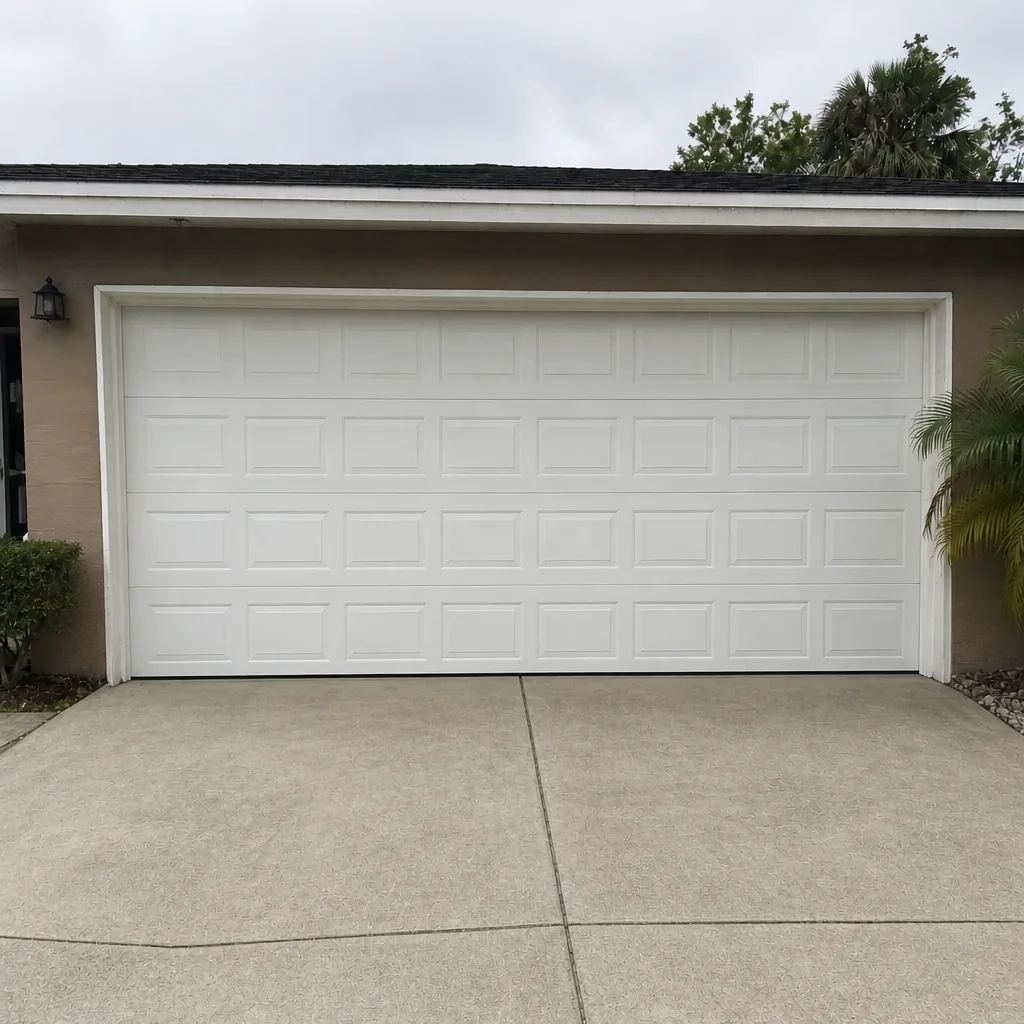
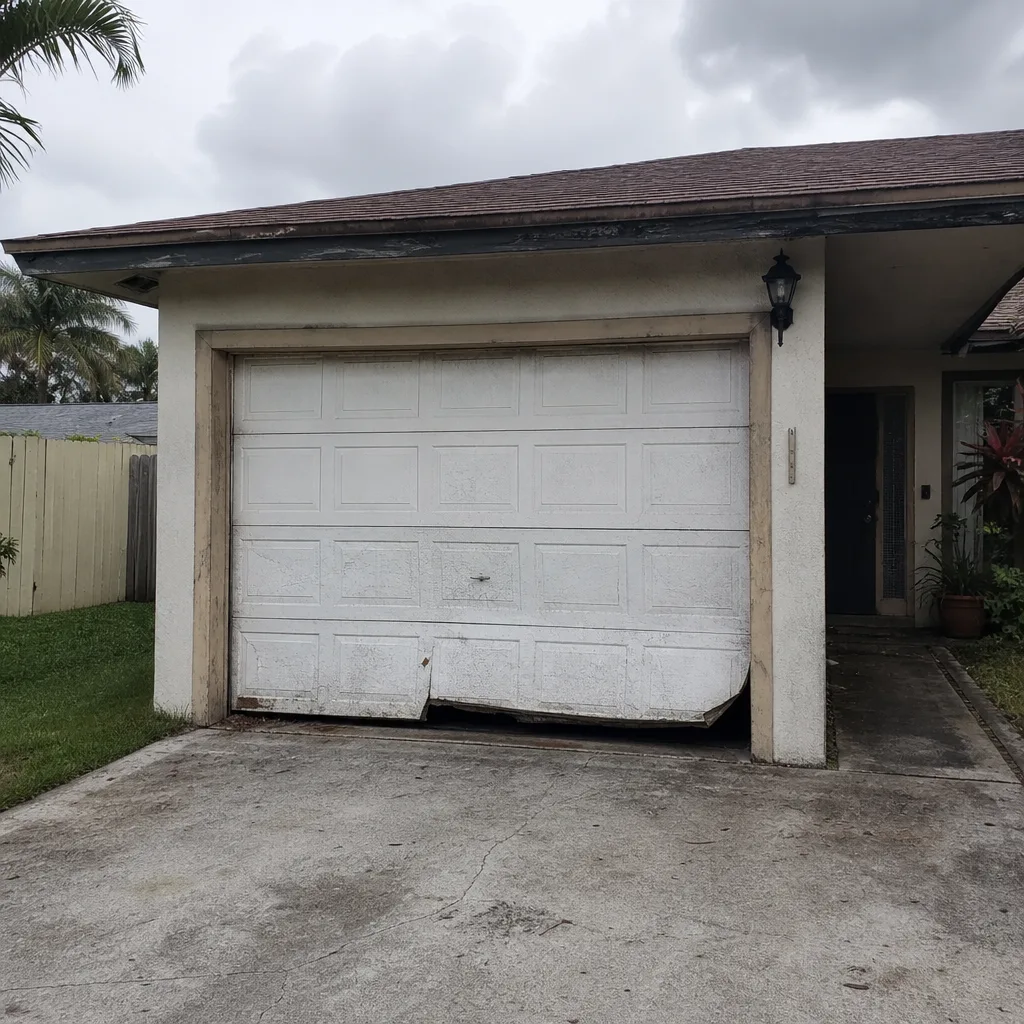
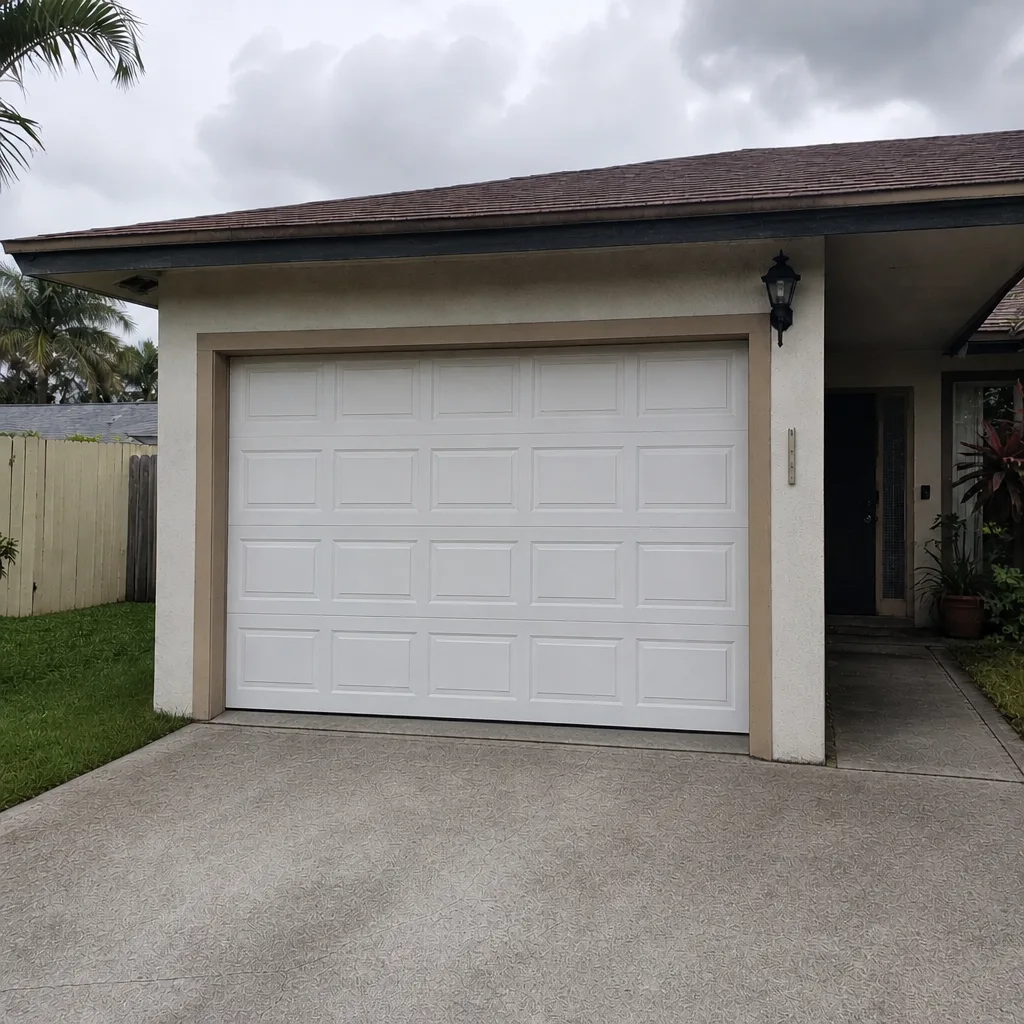
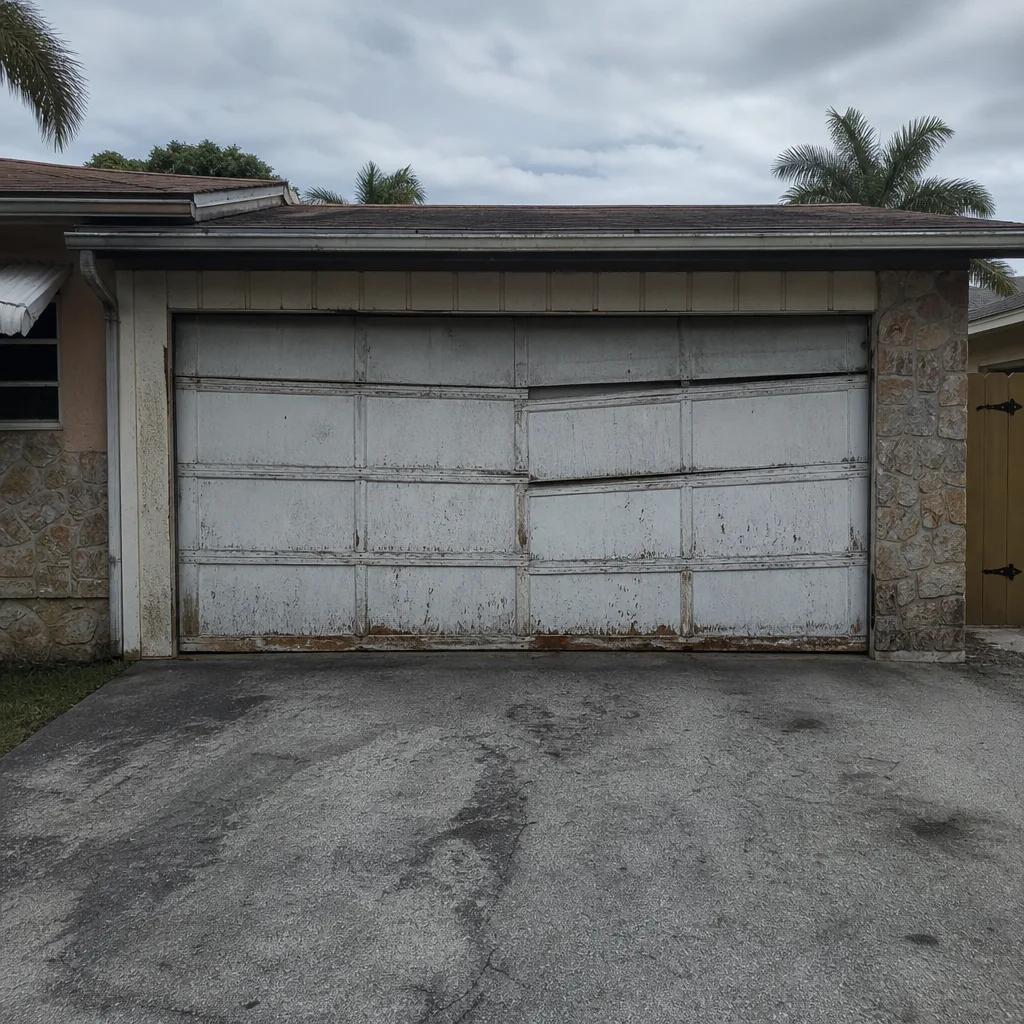
See the difference
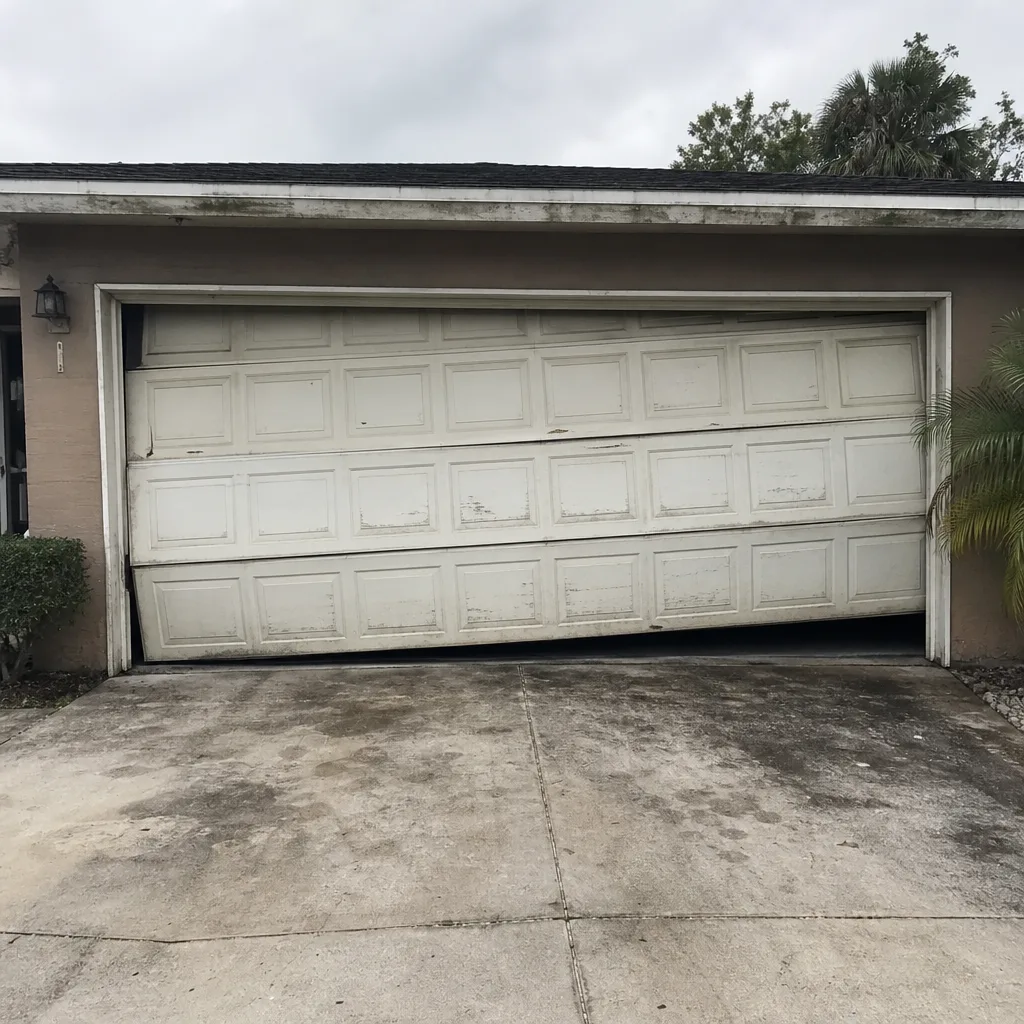 Before
 After
 Before
 After
 Before
 After
When to Call a Professional
Most of the checklist above is safe to handle yourself. The exceptions are the ones that matter most. A noisy door that doesn’t quiet down after lubrication, a door that’s visibly unbalanced, a spring showing rust or fatigue, a weatherseal that won’t stay in place, an opener that reverses erratically, or any hardware that’s been under stress – these are signs to call a garage door specialist. The same goes for any job involving the spring, the torsion bar, or the cables. Those parts should only be handled by a trained technician. Garage door repair is the primary trade for Plantation Garage Door Repair Co, from spring to opener. Free estimates are available in Plantation – call (833) 339-1248 to schedule an inspection or ask whether a repair or a replacement makes more sense.
Frequently Asked Questions
Quarterly is a reasonable baseline. Because Plantation’s heat and humidity break down lubricant faster than in cooler climates, checking every three to four months helps prevent friction-related wear. Use a high-temperature silicone or synthetic lubricant, and avoid white lithium grease in a garage that routinely reaches above 90°F.
Yes. The inspection should be scheduled before storm season reaches its active stretch, with the goal of completing it by late May. The check should cover the balance, hinges, rollers, weatherseals, and the opener’s safety reversal. Waiting until a storm is on the horizon often means more expensive fixes or a longer wait for service.
Look for discoloration, pitting, or a flaking surface on the coils. Corrosion often starts as a light brown film and progresses to visible pitting. If you see rust on a torsion spring, don’t try to clean or adjust it yourself – call a professional. Springs are under high tension and require trained handling. A technician can confirm whether the spring needs replacement.
A high-temperature silicone spray or a synthetic grease is a better fit than standard white lithium. The heat in a Plantation garage can break down lithium grease quickly, leaving metal parts under-protected. Apply a light coat to hinges and roller stems, wipe off any excess, and keep the tracks clean and dry.
Some tasks can. Over-tightening a chain or belt, replacing a safety sensor with an incompatible part, or opening the motor housing on a LiftMaster, Chamberlain, or Genie opener can void coverage. Basic cleaning and sensor checks are usually fine. When in doubt, have a garage door specialist handle the adjustment.
Spring replacement pricing varies by door size, spring type, and whether one or both springs are being replaced. The written estimate you receive before work starts sets the final price, so there’s no surprise invoice afterward. Call (833) 339-1248 for an exact quote – estimates are free.
The Bottom Line
A garage door maintenance checklist for Plantation should reflect what South Florida actually does to hardware: year-round heat that breaks down lubricant, humidity that speeds corrosion, and a storm season that tests every seal. Build your schedule around quarterly lubrication, a thorough pre-hurricane inspection by late May, consistent weatherseal checks, and brand-specific care for your opener. Handle the safe tasks yourself; call a specialist for the spring, the cables, and any adjustment that affects the door’s balance. With the right routine, your door stays quiet, secure, and ready for whatever the storm season brings.
Plantation Garage Door Repair Co specializes exclusively in garage doors – repair, opener systems, springs, and full installation – and our technicians have up to 15 years of experience with brands like Clopay, Amarr, Wayne Dalton, and Craftsman. Whether you need help with Plantation Garage Door Repair Co services or just want a second opinion on your door’s condition, our team is ready to help. Call (833) 339-1248 for a free estimate.
Written by the team at Plantation Garage Door Repair Co.