Last updated November 20, 2026
 Raised-panel steel
 Carriage house
 Modern flush
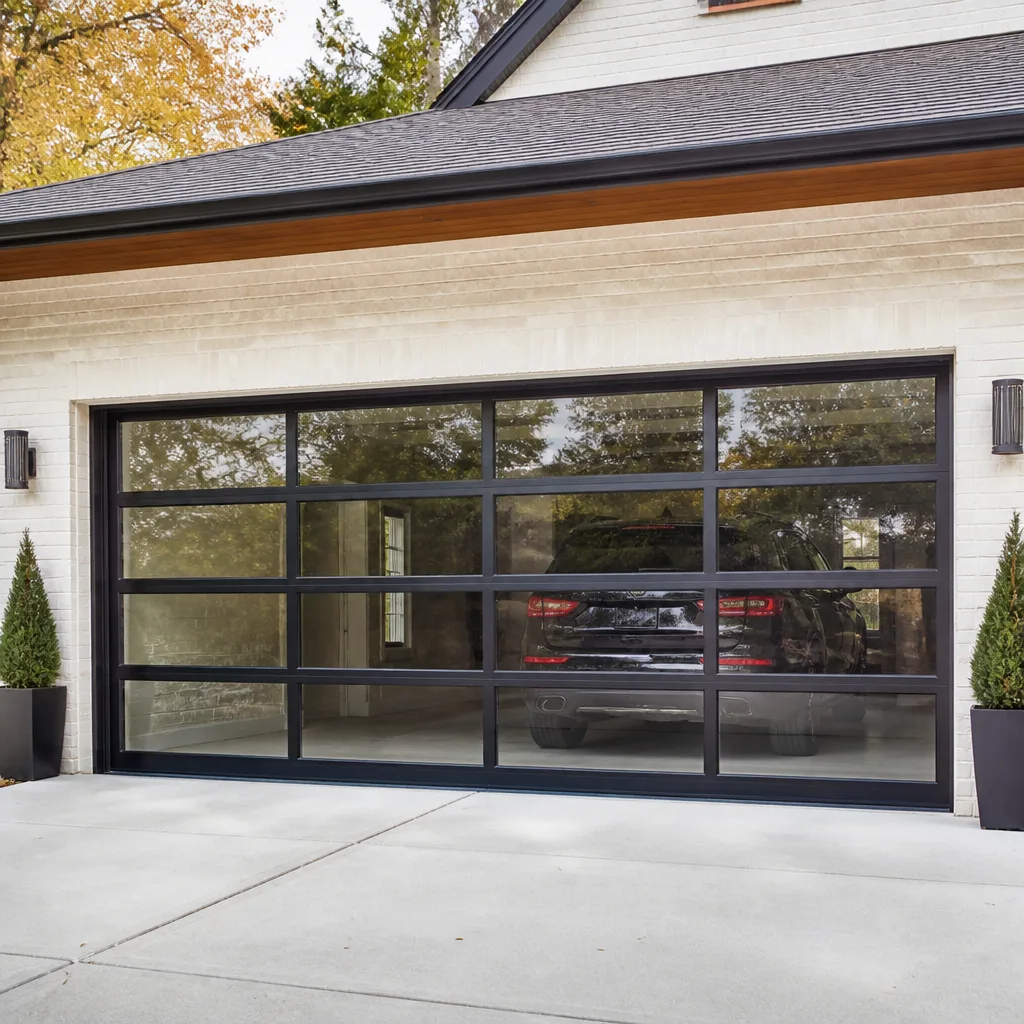 Full-view glass
 LiftMaster openers
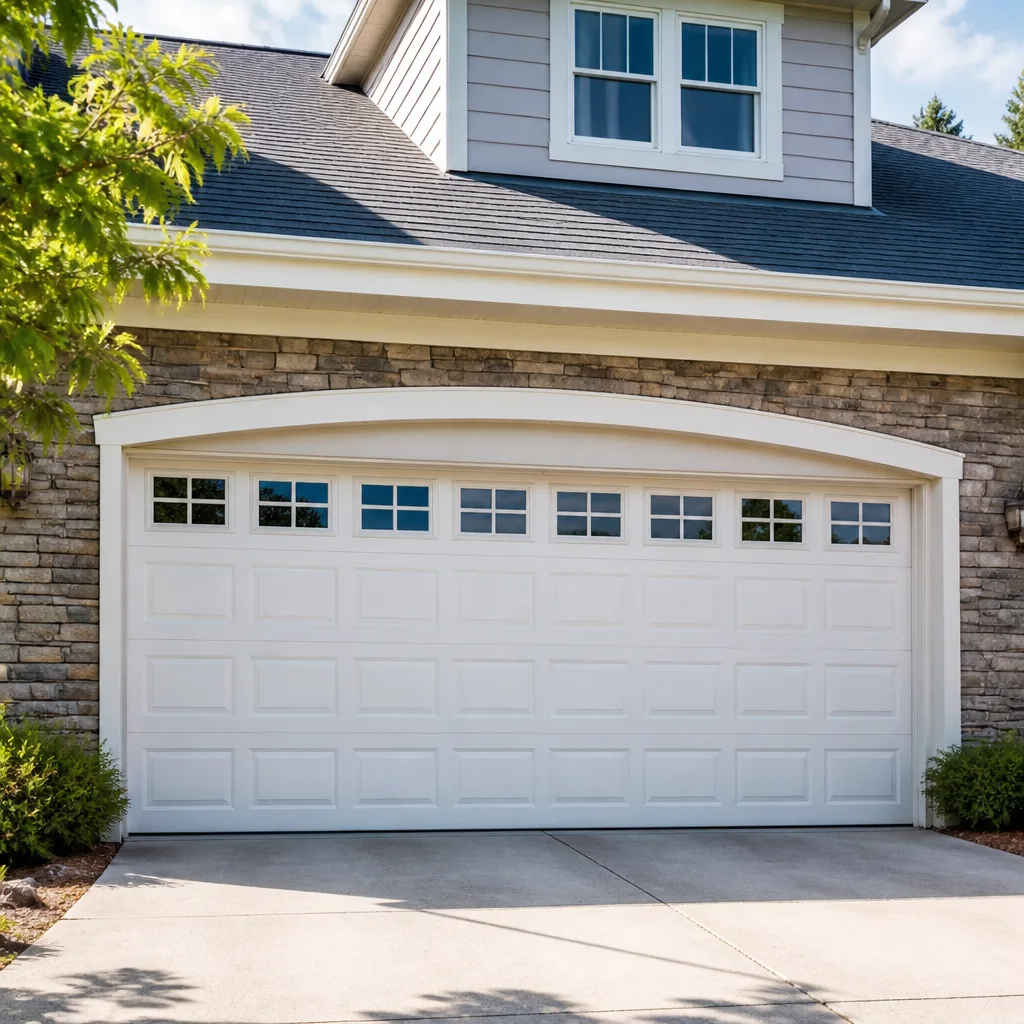 Chamberlain openers
Full 25-point door and opener safety check with every visit - springs, cables, rollers, tracks, and your LiftMaster or Chamberlain opener included
You get a price before we start. It does not change when the pro arrives.
Get your free estimateGarage Door Warning Signs: A Plantation Homeowner’s Reference Guide
Most garage doors announce their failures well before they happen. The problem is that in Plantation, the warnings don’t look like the ones in the generic checklists, because heat and humidity here speed up wear in ways those guides never mention. A two-second hesitation before the door moves isn’t the door “getting old.” In our experience across South Florida neighborhoods, it’s often a sign of heat building up inside the opener, a pattern that can progress to a full failure if you ignore it. This guide walks through the visual, audible and operational clues a garage door gives you here, what each one points to, and how to tell which are cosmetic, which can wait, and which mean stop using the door right now.
Quick Answer
The most urgent garage door warning signs in Plantation are a snapped torsion spring, a door stuck partly open, and a single loud bang from the spring area. These mean stop using the door and call a technician. Slower, quieter signs, like rust on the bottom of the springs, grinding that grows worse over a few weeks, or an opener that struggles after a hot afternoon, are still warnings worth scheduling. In every case, the price is quoted and agreed before any work starts.
Table of Contents
- Visual Signs: Reading Rust and Wear
- Sound Diagnostics: What Each Noise Tells You
- Operational Signs in a South Florida Heat Cycle
- Panel Warping and Seal Failure in Plantation’s Humidity
- Urgency Triage: Repair Now, Schedule, or Stop
- A Typical South Florida Climbing the Door Check
- Common Mistakes to Avoid
- When to Call a Professional
- Frequently Asked Questions
Visual Signs: Reading Rust and Wear
Not all rust on a garage door is a problem. Surface oxidation on the painted face of the door is cosmetic, and in Florida humidity, a little haze on a steel door is expected. The rust that tells you something is degrading under tension is very different. It shows up in tight places that don’t get rained on directly: the base of the springs, the cable drum, and the bearings above the track. If the metal there is pitted and red-brown rather than just chalky, the part may be closer to failure than you think.
Here’s how to tell the difference on a walk-around:
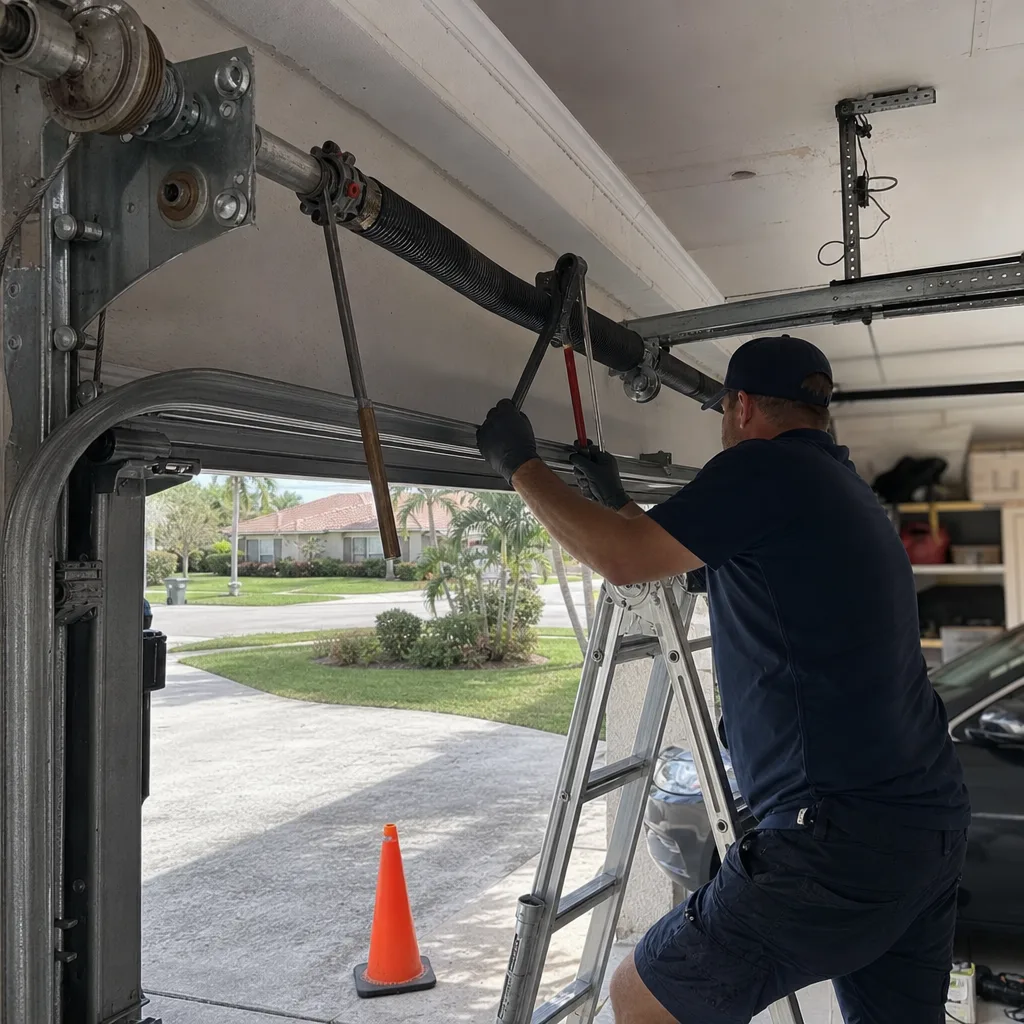
- Springs. A red band at the bottom of a rust patch means the wire is thinning, not just dirty. Worn springs are a spring problem, and springs carry stored tension, so treat this as a job for a trained technician rather than something to poke at with a screwdriver.
- Cables. Frayed strands or a dull, stretched-looking cable near the drum signal it’s under strain. Never handle a cable under load.
- Hinges and rollers. Rust in the joints moves with the door, so a little there usually turns into noise and uneven travel if left alone.
- Track and frame. Rust in the paint on the door face is a paint job. Rust eating into bolts, hinges and rollers is a mechanical warning.
Homeowners in Plantation often find these small signs at the door bottoms and corners, where the humidity sits. If the rust is on painted faces only, a cleaning and touch-up handles it. If it’s creeping into the springs, cables or track hardware, that’s the point where you’ll want someone with brand familiarity, whether the door is a Clopay, Amarr or Wayne Dalton build, to sort out which parts need attention and which can keep running. We’ve walked plenty of these in neighborhoods like Plantation Acres and the older sections near the highway, and the pattern tends to be the same: the face looks fine, but the mechanical parts underneath tell the real story.
Sound Diagnostics: What Each Noise Tells You
Your ear is one of the most reliable diagnostic tools on a garage door. Different components fail with different sounds, and the sound tells you a lot about what’s likely wearing out. When you listen at the panel as the door moves, here’s what to make of each:
- Grinding. Usually a dry or worn hinge, a roller bearing gone bad, or a roller that’s slipping in the track. If it grows louder over the course of a week, the roller is often the main suspect, and that’s a manageable repair.
- Popping. A popping or snapping with each travel is most often the spring starting to wind oddly, or a cable jumping its drum. A single loud pop from the top of the door is not a normal wear noise, so stop the door and get it checked.
- Rattling. Loose brackets, bolts or a panel that’s working itself free. Usually easy to tighten, but rattling before it becomes a loosened part is the point where you fix it.
- Squealing. A high, steady squeal points to worn bearings in the opener or the door hardware. A squeal that changes with speed can be a sign the opener is straining.
The trick with sound in Plantation’s climate is that noise often appears after a hot stretch, when thermal expansion loosens the fit of parts. A noise you didn’t hear in winter can show up in summer and still be a real sign, not just the door settling. For a LiftMaster, Chamberlain or Genie opener, listening also means noting whether the noise comes from the door or the unit itself. A unit that grinds while the door moves smoothly is an garage door opener repair job, and a door that grinds while the opener sounds fine is a hardware job. Getting that distinction right early saves you from repairing the wrong part.
Operational Signs in a South Florida Heat Cycle
Slow response is the warning South Florida homeowners see most often, and it’s the one that gets mistaken for nothing. In hot weather, the components on the door and the logic board inside your opener both operate under more stress. The signs show up in the operation, not the door:
- A sluggish start. The opener runs a beat or two behind before the door moves. On a hot afternoon, this can be the logic board managing thermal load, and if it appears reliably on the hot days, it’s worth a check rather than a shrug.
- Reverse-triggering. The door stops and reverses partway down. In summer heat, this is sometimes a safety sensor alignment issue, sometimes a door binding that the opener reads as an obstruction. Either way, it’s the door protecting you.
- Lockout. The opener refuses to run and the light blinks in a pattern. That’s the unit telling you something specific through its own diagnostic code, and a brand-familiar technician reads the pattern rather than guessing.
- Inconsistent travel. The door opens all the way one time and stops short the next. That’s often a sign the opener or a limit is drifting, and left alone, it turns into a unit that fails to close.
These signs are common enough in Plantation that brand familiarity matters more than general experience. A technician who works with LiftMaster and Genie components regularly knows how those units behave in heat and what the blinking-light patterns mean. That’s the difference between a fix that holds and a return visit.
Panel Warping and Seal Failure in Plantation’s Humidity
Humidity does its quiet damage at the bottom edge of your door, not the top. The bottom seal, the weatherstripping, and the low panel are the first points where moisture and heat combine. A door that’s starting to warp or seal that’s starting to fail is letting weather in before you notice water on the floor. Here’s what to look for:
- Gaps under the door. Light or a draft at the bottom of a closed door means the bottom seal has failed. This is the most common weatherproofing warning in Plantation and the easiest to fix early.
- Seal that’s tacky or torn. Humidity can leave the seal soft and stretched. Once it’s torn or pulling away, it stops doing its job.
- Low panel bulging. A panel that’s bowing or swelling at the bottom is showing moisture exposure. On a wood-look or steel panel, that can signal it’s time for inspection before the interior gets wet.
- Uneven door-to-frame contact. If one side seals and the other doesn’t, the door has shifted or a hinge has loosened, and the seal is failing unevenly.
In our experience, these problems show up slowly and get dismissed as cosmetic until a rainy stretch exposes them. The fix is cheap while it’s a weatherstripping job and more involved once the frame or a panel is affected. If warping or seal failure has progressed, sometimes the right answer is a new door through garage door installation, and sometimes it’s a repair. That’s a call a specialist should help you make, not a sales pitch.
Urgency Triage: Repair Now, Schedule, or Stop
Not every warning sign needs a call today. Sorting them into three buckets keeps you from either ignoring a dangerous one or panicking over a small one. Here’s the triage we use when advising a Plantation homeowner:
- Stop using the door immediately. A snapped spring (you’ll hear it, and the door won’t lift properly), a door stuck partly open, the door sagging on one side, or a spring or cable that’s clearly broken or hanging. These carry the most risk and belong to a trained professional, never a homeowner with tools.
- Schedule a repair in the next few days. Rust creeping into springs or cables, grinding that’s getting worse, an opener that won’t close reliably, reverse-triggering that repeats, or a bottom seal that’s failed. These aren’t emergencies, but left alone they turn into one.
- Fix when convenient. Surface rust on the door face, squealing bearings that you’ve already flagged, a seal with a slight draft, or rattling brackets. None of these put you at risk, and they’re worth doing before they progress.
The one rule that overrides all of this: if you’re ever unsure how a spring or cable looks, do not test it yourself. Those parts stay under tension, and the wrong move can cause serious injury. In our experience, the homeowner who pauses to call for something ambiguous usually catches a real problem earlier than the one who keeps using the door and hopes. When the garage door has to come back to normal, the specialists who know the door stay focused on it door-to-opener, which is why this is not a sideline service bolted onto some other trade.
A Typical South Florida Climbing the Door Check
A ten-minute check you repeat the same way every time will catch most of the warnings above before they escalate. It’s the same walk-around we do when fine-tuning a door, and this is what a typical check looks like. None of it involves opening the spring or poking at the tension, just looking and listening.
- Walk the full perimeter of the closed door. Look for rust in the pits of the springs and the drum, frayed cables, and any light coming through the bottom seal.
- Look at the door panel by panel. Check for bulging, warping at the bottom, or a panel that looks like it’s sitting at a different angle from its neighbors.
- Open and close from the panel and listen. Note whether the door grinds, squeals, rattles or pops, and whether the noise comes from the door or the opener.
- Watch the travel. Note any hesitation before the door moves, any reversing on the way down, and whether it stops at the same spot each time.
- Look at the safety sensors and the bottom seal at the end of the check. A little time here turns a random repair call into a scheduled one.
If you do this check after a hot afternoon, you’ll catch the heat-related warnings while they’re still small. Catching a heat issue in the summer is far easier than catching it after a full lockout in the middle of a busy week. If you ever see the door half open with a loud bang from the spring, stop there and get a specialist.
Common Mistakes to Avoid
- Poking at a spring to “see if it’s broken.” Springs and cables are under stored tension and can release suddenly. Back away and call a specialist instead.
- Treating slow response in summer as normal. A logical board struggling in the heat is a warning, not a setting. Left alone, it turns into a full opener failure within weeks.
- Ignoring rust at the base of the springs. Homeowners in Plantation often mistake it for the same cosmetic haze on the door face. It’s the one rust that signals the spring wire is degrading.
- Running the door through a grinding noise to “finish the week.” A grinding roller can score the track, turning a small repair into a track job.
- Calling a general generalist for a brand-specific opener problem. A technician who doesn’t work the Chamberlain or LiftMaster diagnostic pattern often replaces parts that didn’t need replacing.
- Playing with the springs or cables because a video made it look simple. The injury risk is real, and the fix holds best when it’s done by someone with hands-on time on that same part.
- Letting a failed bottom seal go for the season. In Plantation’s humidity, that gap lets moisture reach the low panel and frame, which is where a simple seal job becomes a larger repair.
Styles & brands we work with
- Raised-panel steel
- Carriage house
- Modern flush
- Full-view glass
- LiftMaster openers
- Chamberlain openers
When to Call a Professional
Call a professional if any of these are true: a spring has broken, the door is stuck, the door sags on one side, a cable is hanging or visibly frayed, the opener refuses to run, or the door won’t close and stay closed. Those are the stop-using-it signs. If you’re seeing rust in the spring or cable area, an opener that hesitates on hot days, grinding that’s getting worse, or a bottom seal that’s failed, that’s worth a scheduled visit, and the sooner the better. Our technicians have up to 15 years of experience with these systems, and we work with the brands you actually own. Plantation Garage Door Repair Co offers free estimates in Plantation – call (833) 339-1248. The price is quoted and agreed before any work starts.
Frequently Asked Questions
A broken spring, which usually shows up as a single loud bang with the door stuck partly open. In Plantation’s heat, a spring can weaken over time and then fail suddenly, so a broken spring is a stop-using-the-door sign. Call (833) 339-1248 to schedule a free estimate.
A two-second delay that shows up reliably on hot days is often the opener’s logic board managing heat, not the door getting old. In a South Florida heat cycle, that hesitation can progress to a full opener failure within weeks. A technician familiar with the brand of your opener can check it. Call us for an exact diagnosis – the estimate is free.
Only the rust in the pitting at the base of the springs or on the cable drum is a warning, because it signals the wire is thinning. Surface haze on the painted door face is cosmetic. If the rust is in the spring or cable area, schedule a check. Call (833) 339-1248 and we’ll look at it.
Reverse-triggering usually means a safety sensor is misaligned or the door is binding and the opener is reading resistance as an obstruction. In summer heat, this happens more often. It’s a warning, not an emergency, but it should be checked before it stops closing at a bad time. Call us for an exact quote – estimates are free.
It depends on the part: a roller or hinge fix is a smaller job than a spring or opener repair, and the written estimate sets the final price. What matters is that a specialist checks which part is actually degrading before anything is replaced. Our technicians have up to 15 years of experience with LiftMaster, Chamberlain, Genie, Clopay and the other major brands. Call (833) 339-1248 for a free estimate.
No – the price is quoted and agreed before any work starts. We look at the door and its parts first, note what’s worn versus what’s cosmetic, and give you a written estimate before anything is touched. Call (833) 339-1248 to book a visit.
The Bottom Line
Most garage door failures give you warning. In Plantation, the warnings tend to show up where heat and humidity do their quiet work: rust in the spring and cable hardware, a slow response on hot afternoons, a bottom seal that’s letting in weather, and noise that’s getting louder each week. Learn the three buckets, stop-use-it, schedule-it, and fix-when-convenient, and you’ll catch the dangerous ones before they fail and the small ones before they grow. For anything ambiguous or anything involving a spring or cable, hand it to a garage door specialist instead of guessing. When the door is properly sorted, you’re back up and running. For repair, opener work, springs or a new door, the specialist who knows your brand is the one to call.
From spring to opener, the right fix for your specific system starts with knowing the signs and knowing who to call. For a free estimate on repair, spring replacement, opener service or a new door in Plantation, call (833) 339-1248 or reach out through Plantation Garage Door Repair Co. You can also read more about garage door repair and the full scope of what a trained technician checks.
Written by the team at Plantation Garage Door Repair Co.
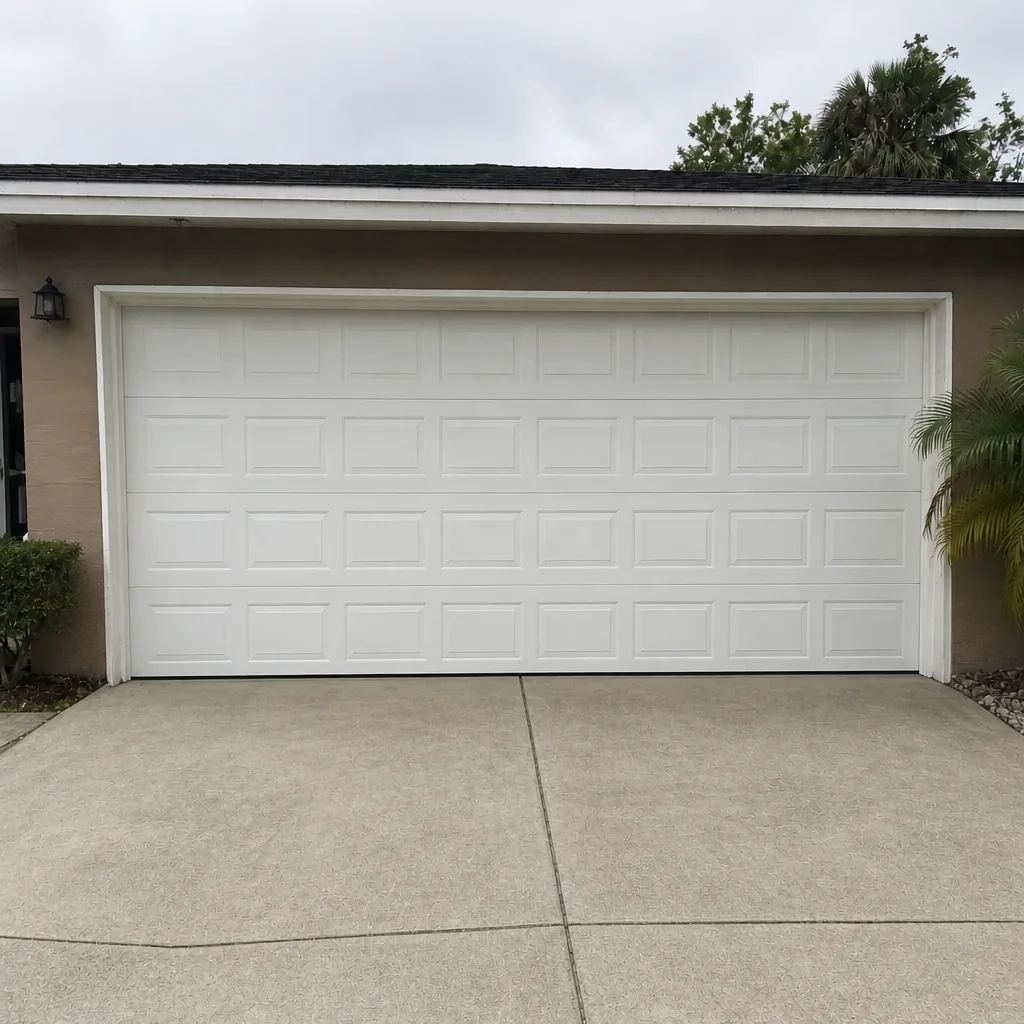
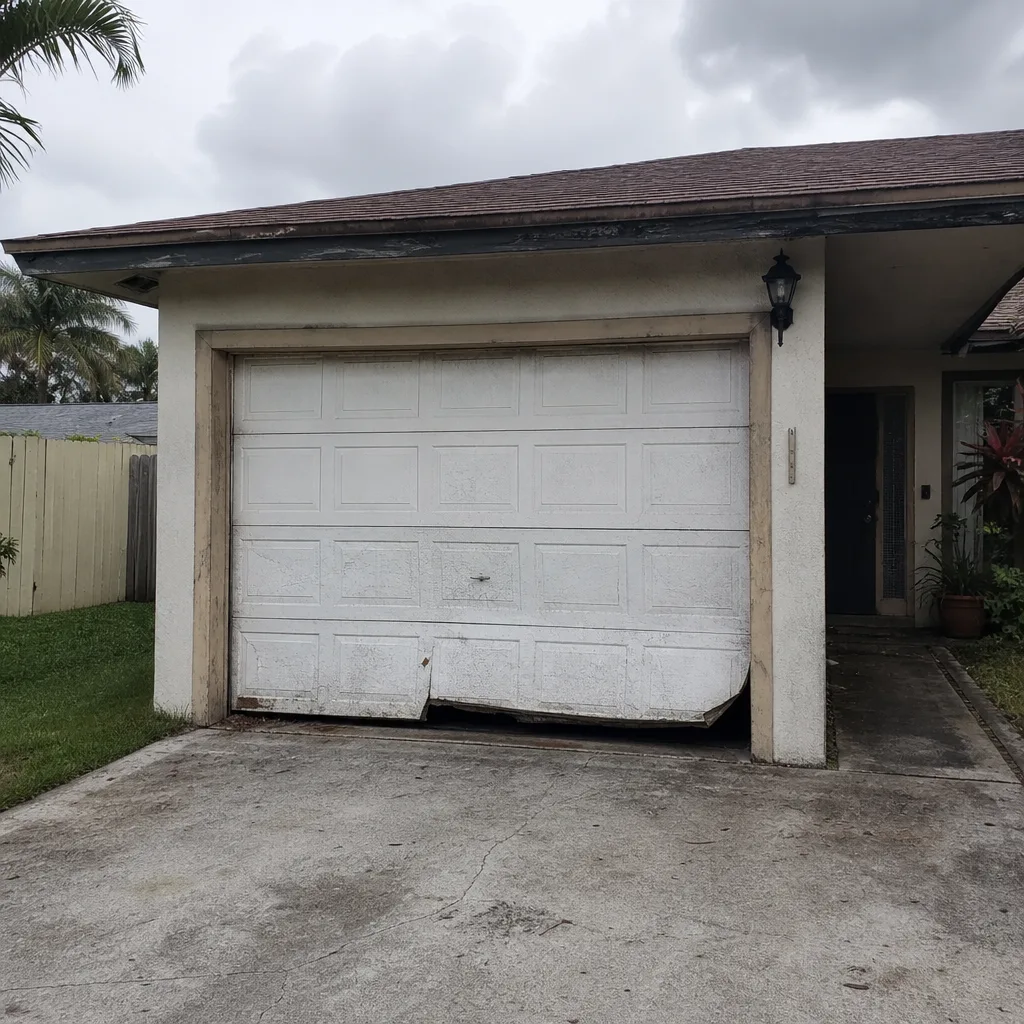
See the difference
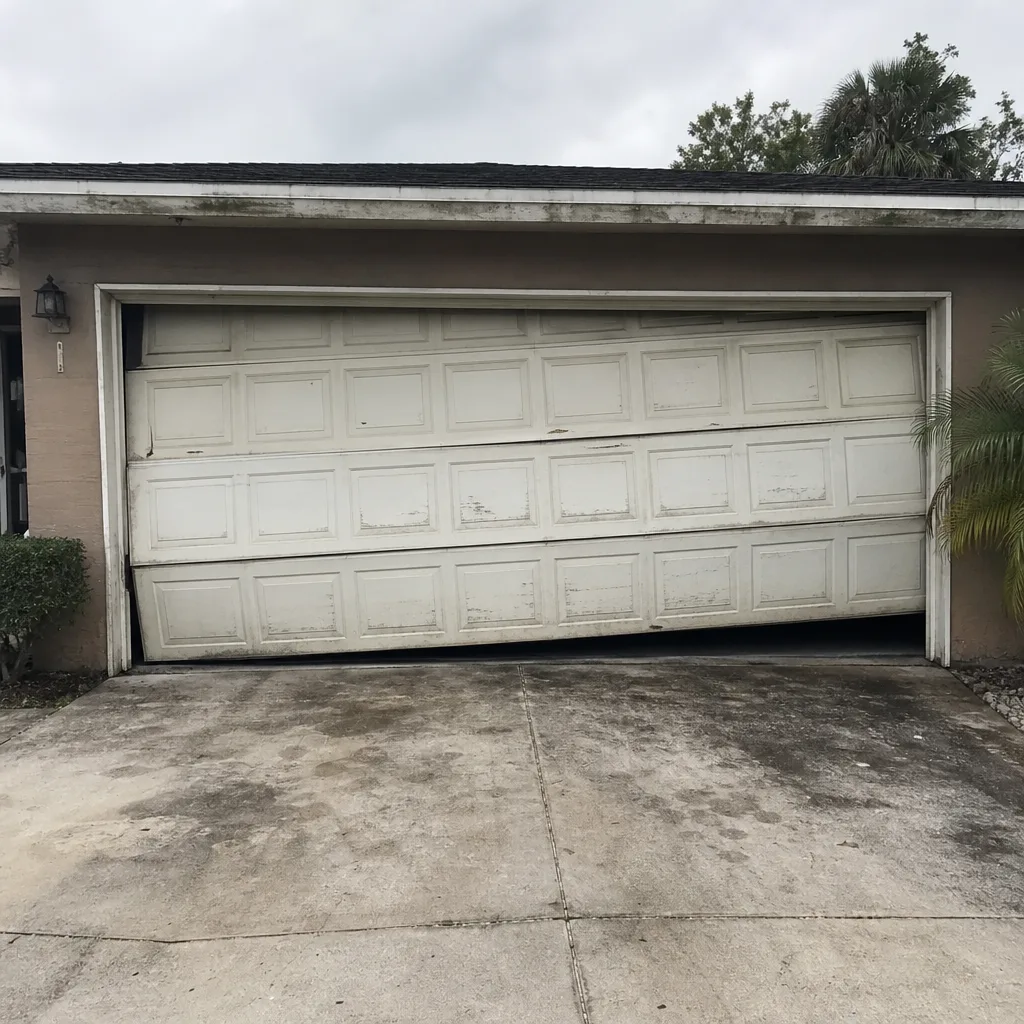 Before
 After
 Before
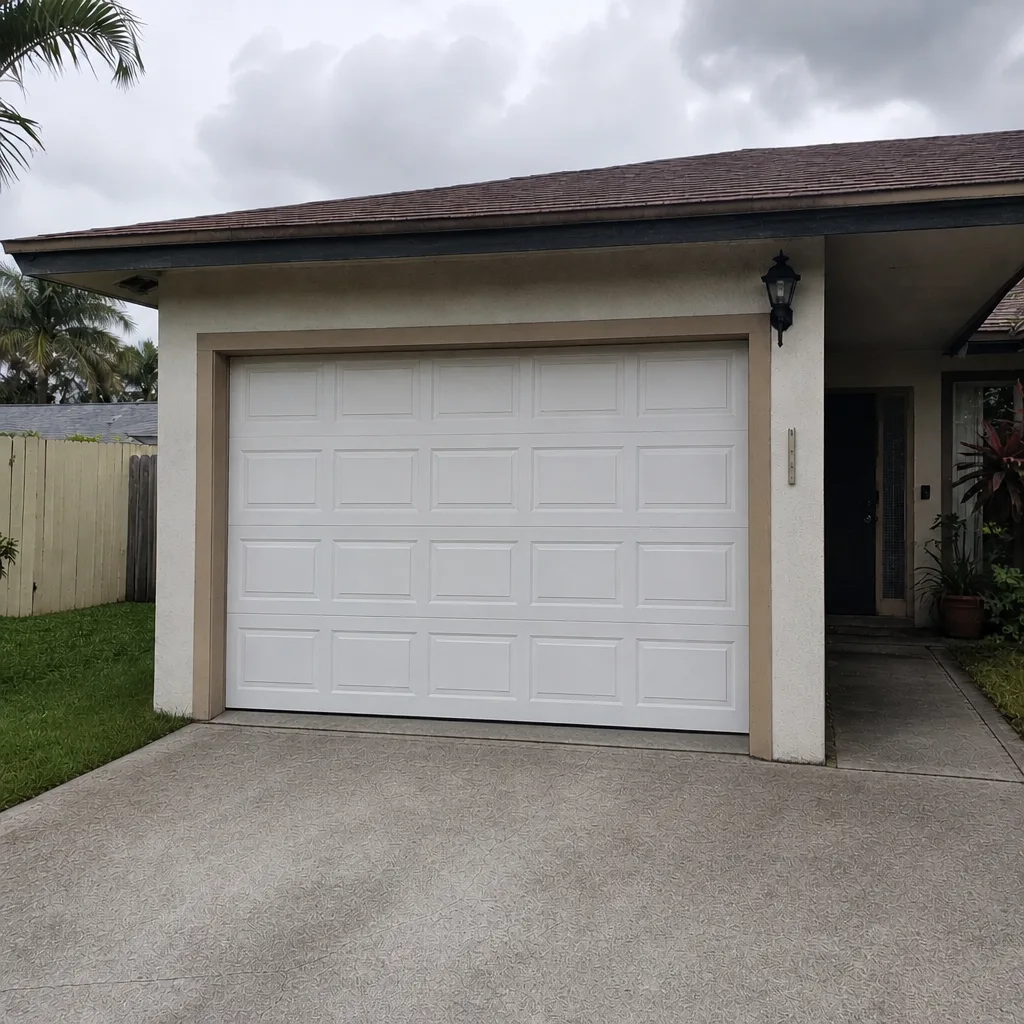 After
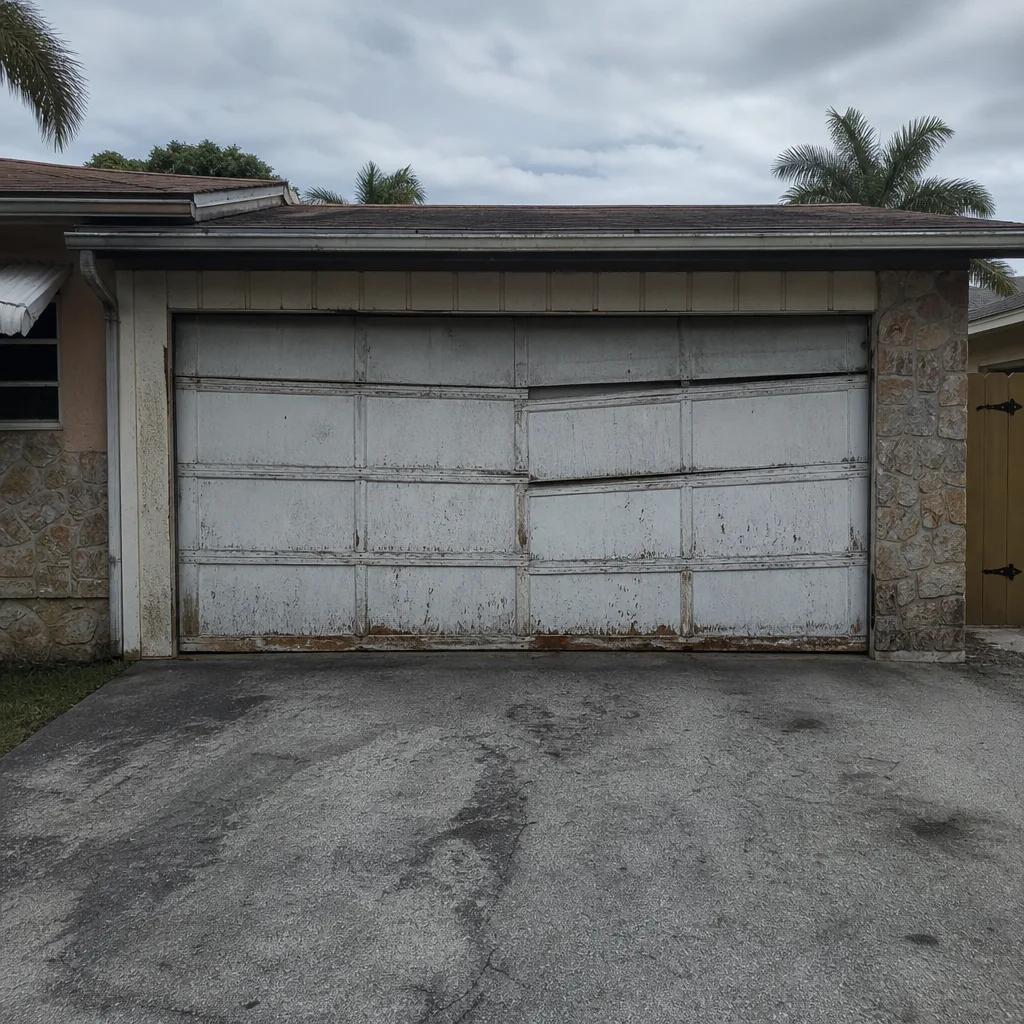 Before
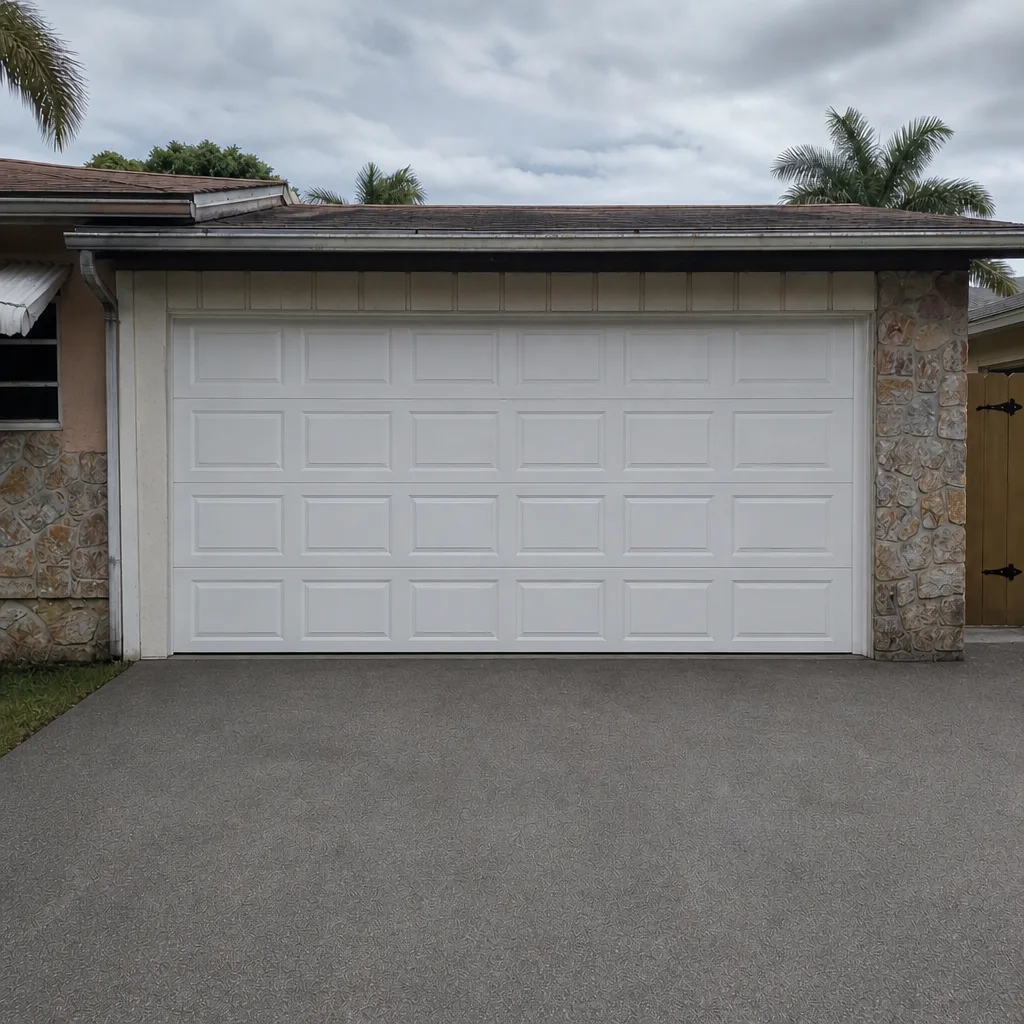 After