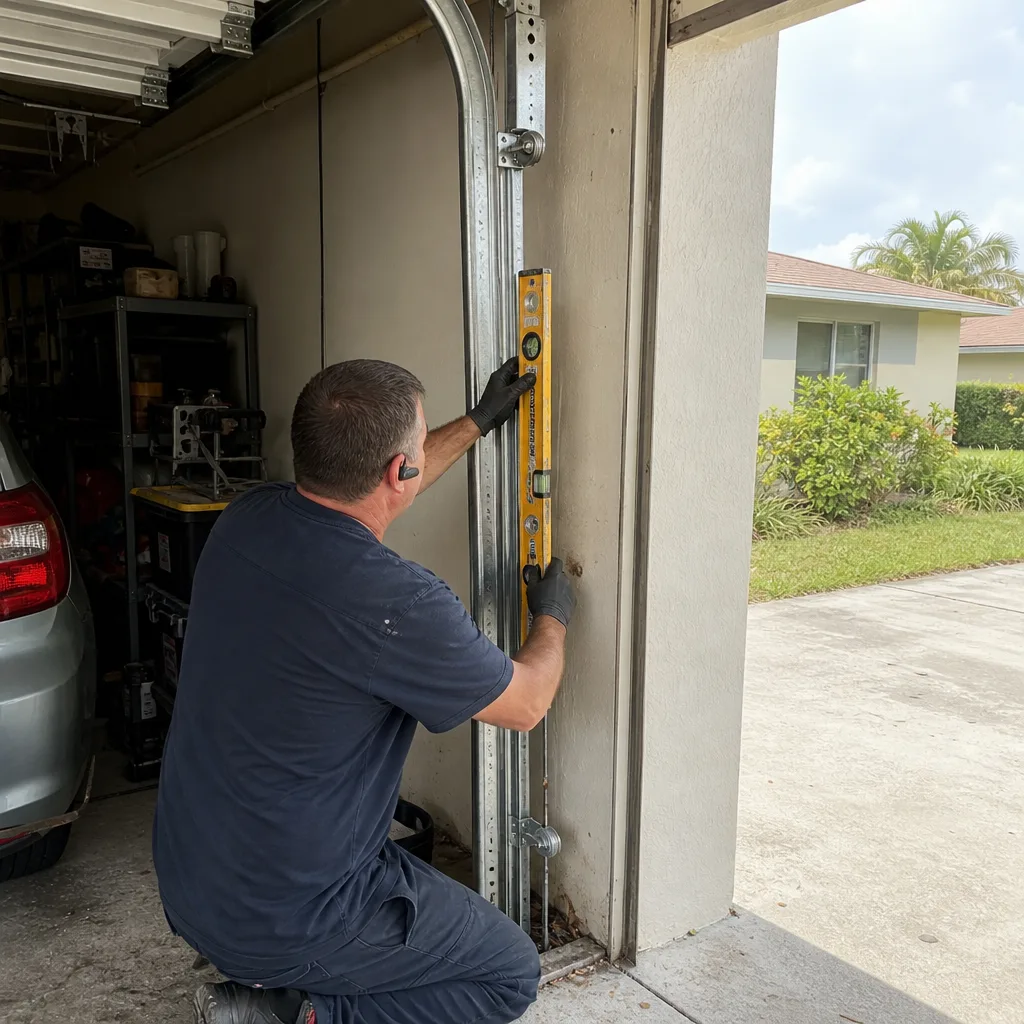
Last updated November 20, 2026
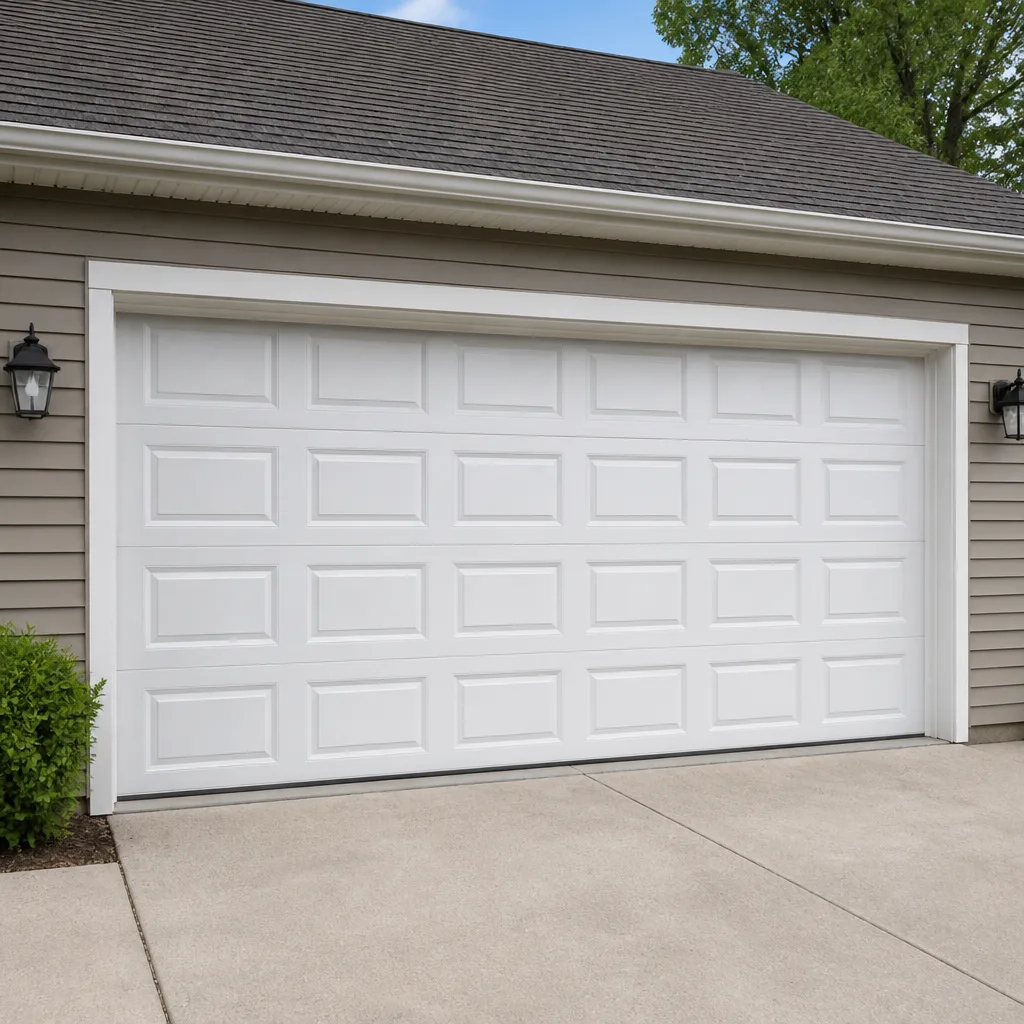 Raised-panel steel
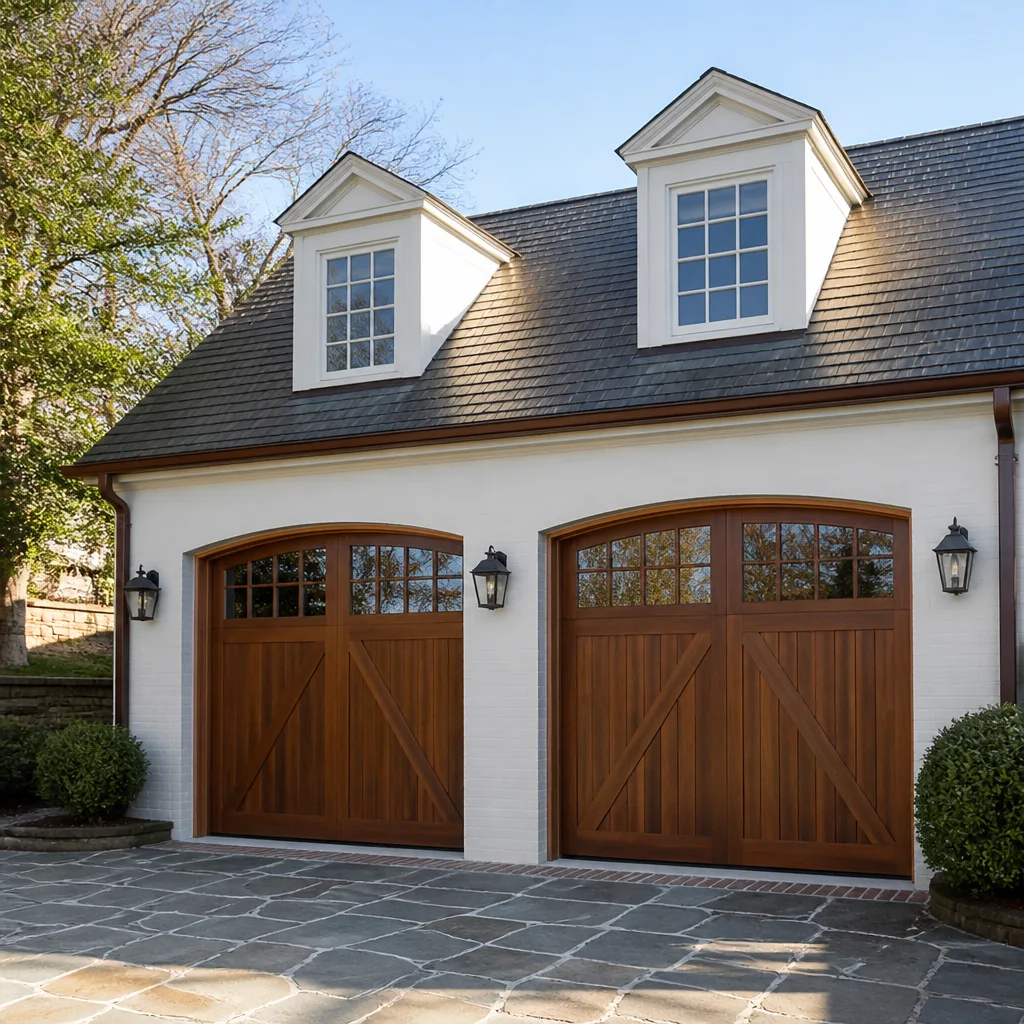 Carriage house
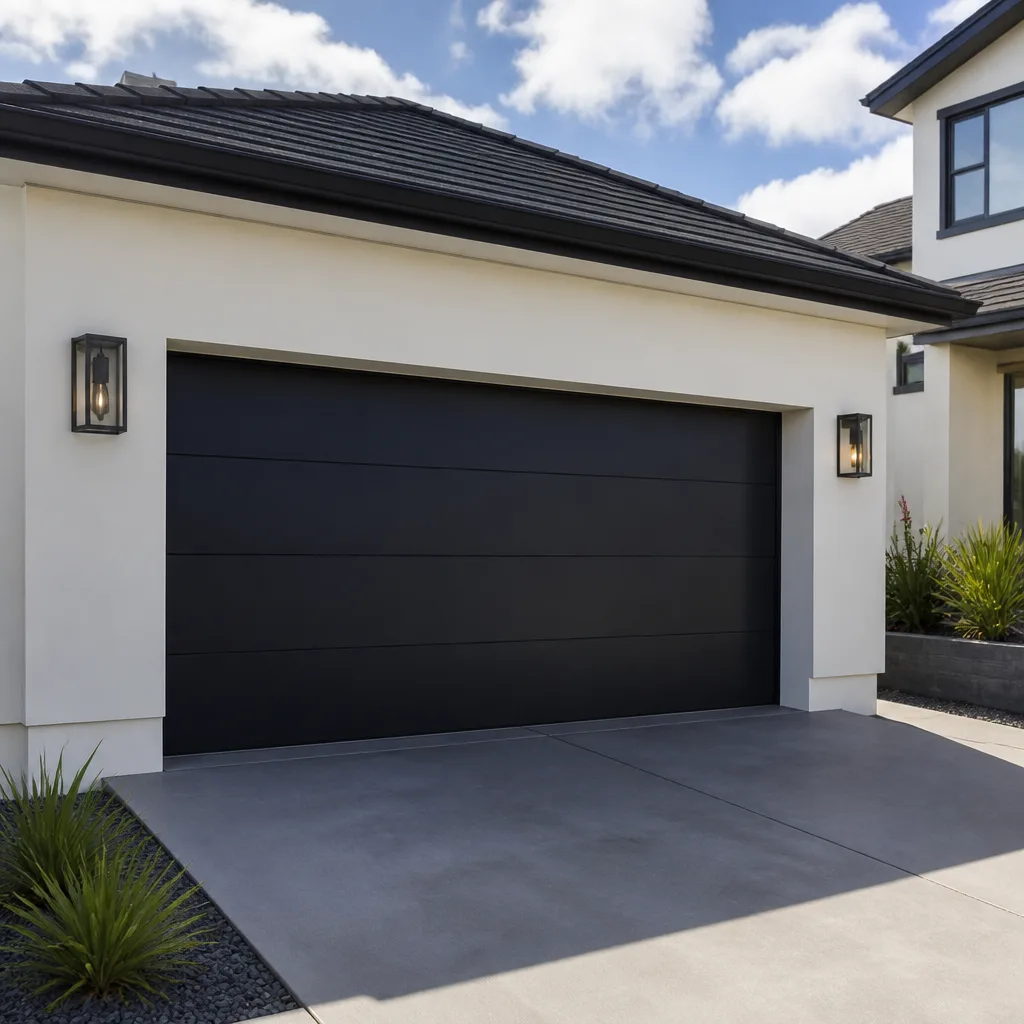 Modern flush
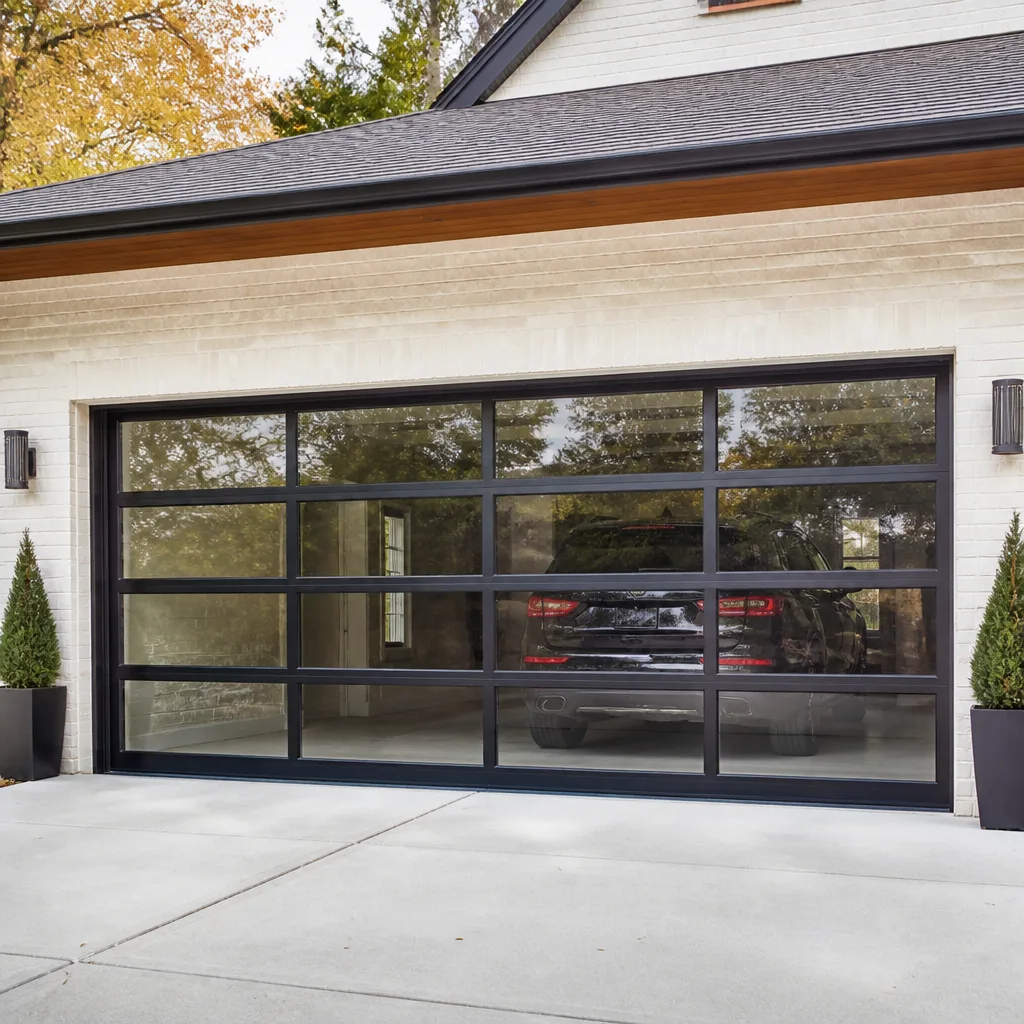 Full-view glass
 LiftMaster openers
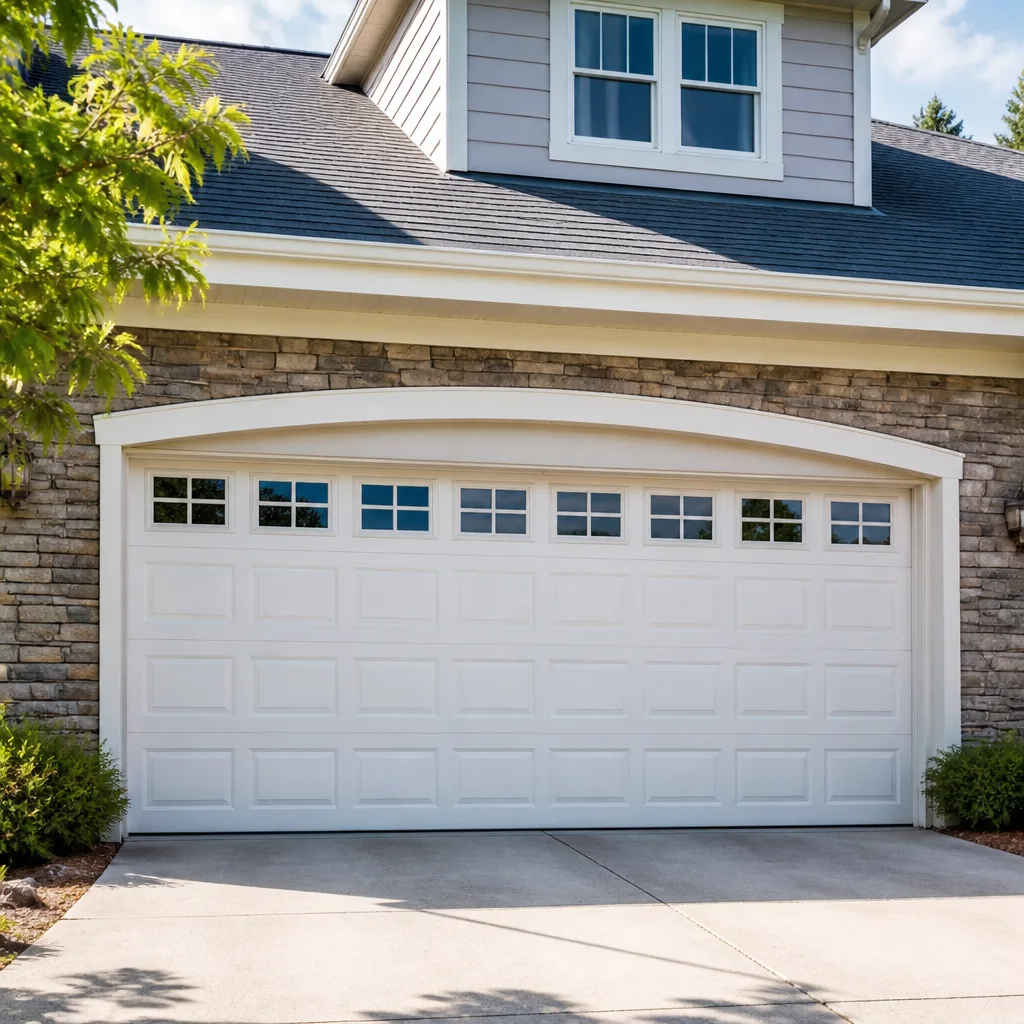 Chamberlain openers
Full 25-point door and opener safety check with every visit - springs, cables, rollers, tracks, and your LiftMaster or Chamberlain opener included
You get a price before we start. It does not change when the pro arrives.
Get your free estimateThe Complete Guide to Garage Doors in Plantation
Most garage door guides are written for homeowners in Ohio. Plantation’s humidity, storm-season power outages, and mandatory wind-load ratings make at least half of that advice wrong for your home. A door that performs fine in a dry climate can sag, bind, or fail inspection here, and an opener rated for a quiet suburban grid can strand you in your driveway after the first tropical system knocks out power. This guide treats Plantation as its own environment rather than a footnote in a Florida-wide overview. You’ll learn how Broward County code narrows your options before aesthetics enter the picture, which materials actually hold up in our humidity, how HOA approval works in Plantation’s planned communities, and what new installation really costs.
Quick Answer
A garage door in Plantation must meet Broward County wind-load and impact requirements, and the right material for our humidity is usually aluminum or fiberglass rather than steel. Choose a door rated for your home’s specific wind zone, pair it with a battery-backup opener for storm season, and get HOA approval before you order. Expect most full installations to fall somewhere in the range below, with the written estimate setting the final price.
Styles & brands we work with
- Raised-panel steel
- Carriage house
- Modern flush
- Full-view glass
- LiftMaster openers
- Chamberlain openers
Table of Contents
- Why Plantation Garage Doors Are Different
- Wind-Load and Impact Requirements in Broward County
- Which Materials Hold Up in Plantation’s Humidity
- HOA Approval in Plantation’s Planned Communities
- Choosing an Opener for Storm-Season Power Outages
- What New Installation Costs in Plantation
- Repair or Replace? How to Decide
- Year-Round Maintenance for a Plantation Door
Why Plantation Garage Doors Are Different
Plantation sits in a coastal-adjacent humidity corridor where the air stays heavy most of the year. That single fact reshapes every material decision you’ll make. Steel doors, the default recommendation in most national buying guides, are prone to rust at the bottom section, along the hinges, and around fastener points when they’re exposed to sustained moisture. Painted steel that looks fine in a showroom can start to blister at the seams within a few seasons here.
Then there’s the wind question. Broward County sits in a high-velocity hurricane zone, and garage doors are the largest opening on most homes. When a door fails in a storm, wind pressure enters the structure and the roof becomes vulnerable. That’s why local code treats the garage door as a structural component, not a cosmetic one. You can’t simply pick the door you like and have it installed; it has to be rated and documented for your home’s wind zone.
Homeowners in Plantation also deal with something most guides skip entirely: a dense layer of master-planned communities with active HOA architectural review. In neighborhoods across the city, from the older sections near the central corridor to the gated communities further west, the door you install has to pass a review board before it ever ships. Picking a door that fails review wastes weeks.
And because Plantation sees regular storm-season outages, an opener without battery backup is a real inconvenience. We’ve seen how a single afternoon of grid instability turns a powered door into a manual one. The good news is that all of this is manageable once you know the order of operations. Here’s what a typical evaluation looks like:
- Confirm your home’s wind zone and any documentation your community requires.
- Check HOA architectural guidelines for approved colors, panel styles, and materials.
- Select a material suited to humidity, not just to the showroom photo.
- Match the opener to your power reliability and smart-home needs.
- Get a written, itemized estimate before any order is placed.
Wind-Load and Impact Requirements in Broward County
In Broward County, a replacement garage door generally has to meet wind-load and, depending on the opening, impact-protection requirements set by the Florida Building Code and enforced through the local building department. The exact rating your door needs depends on your home’s location, its exposure, and the size of the opening, so the first practical step is always to ask the City of Plantation’s building department what applies to your address before you shop.
The reason this matters so much is simple physics. A garage door is a wide, relatively lightweight panel. Under hurricane-force wind it’s the first thing to give, and once it does, the pressure equalizes inside the house and the roof can lift. That’s why the code treats the door as part of the building envelope. A door rated for a lower wind zone than your home requires won’t pass inspection, no matter how good it looks.
Manufacturers publish wind-load ratings for their door and reinforcement combinations, and the reinforcement matters as much as the door itself. A rated door installed with the wrong track, the wrong anchors, or the wrong number of struts can still fail to meet the requirement. This is where brand familiarity pays off. Amarr and Wayne Dalton both build wind-rated door systems with documented reinforcement packages, and knowing how those systems are specified saves a lot of guesswork.
What does the process actually involve? Here’s how a code-compliant replacement usually goes:
- Confirm the requirement. The building department tells you the design pressure your opening must meet.
- Match door to rating. The manufacturer’s wind-load documentation is matched to that number.
- Specify reinforcement. The correct struts, tracks, and anchors are included in the order.
- Pull the permit. Most replacements require one; the local pro handles this.
- Install and inspect. The work is done to the permitted spec and inspected.
If you’re weighing a repair against a full replacement and the door is near the end of its life, it’s worth understanding the code requirements up front. Our garage door installation work always starts with that confirmation, because ordering the wrong spec is the most expensive mistake in this process. The written estimate you receive before work begins will reflect the code-compliant spec, not a stripped-down version that fails inspection later.
Which Materials Hold Up in Plantation’s Humidity
For Plantation’s humidity, aluminum and fiberglass generally outperform steel, and that’s the opposite of what most national guides tell you. Steel is strong and affordable, but it’s also the material most vulnerable to moisture at seams, hinges, and the bottom section. In a climate where the air stays humid most of the year, that vulnerability shows up faster.
Here’s how the main options compare in a Plantation context:
- Aluminum: Won’t rust, lightweight, and easy to keep looking clean. It’s a strong fit for humid climates and holds up well when properly rated for wind. Amarr builds aluminum options that work with wind-load reinforcement.
- Fiberglass: Also rust-resistant, and often lighter than steel. Good for homeowners who want a wood-look finish without the upkeep. It needs the right reinforcement to meet wind ratings.
- Steel: Durable and cost-effective, but needs a galvanized or factory-finished coating and regular attention to seams and the bottom edge. Works well if you maintain it.
- Wood and wood composites: Beautiful, but the highest maintenance in this climate. Moisture and heat are hard on wood, and repainting or refinishing becomes a recurring job.
Brand choice matters here too. Raynor offers insulated steel and aluminum systems with strong wind-rated options, and Clopay’s insulated lines are widely installed in this region. Wayne Dalton builds a range of materials, and their door systems are common in Plantation neighborhoods, which means parts and service knowledge are readily available. The key is matching the material to your rating requirement and your HOA’s approved palette, not picking a finish first and hoping it works.
One practical note: insulation is worth considering for reasons beyond temperature. An insulated door is heavier and quieter, and it can affect the spring and opener sizing. If you’re upgrading to an insulated door, the springs and opener need to be matched to the new weight. Getting that wrong is one of the most common causes of premature failure we see, and it’s why the spring work on a heavier door should always be calculated, not guessed.
HOA Approval in Plantation’s Planned Communities
In Plantation’s master-planned and gated communities, HOA architectural review is not optional, and it happens before the door is ordered. Most associations publish an approved list of door styles, colors, and sometimes materials. Submitting a door that isn’t on that list, or that deviates from the community’s palette, gets you a rejection and a delay of weeks. The fix is simple: read the guidelines first, then shop.
Here’s how to spec a door that passes review the first time:
- Get the current architectural guidelines. Ask your HOA for the latest document, since these are updated periodically.
- Note approved colors and panel styles. These are usually specific, down to the shade name.
- Confirm any material restrictions. Some communities restrict certain materials or require a specific finish.
- Submit the manufacturer’s spec sheet. Include the model, color, and wind-load documentation with your application.
- Wait for written approval before ordering. A verbal okay isn’t enough if the door ships and gets rejected.
The most common HOA problem in Plantation isn’t a difficult board; it’s a homeowner who ordered first and applied second. Once a custom door is manufactured, returning it is rarely practical. A little paperwork up front avoids that entirely.
If you’re replacing a door and your community requires review, the written estimate should account for the approved spec from the start. The door and the documentation have to match, so it helps to have a specialist who knows how these submissions are structured. Need the door repaired rather than replaced? Our garage door repair work usually avoids the review process entirely, since a like-for-like repair or a panel replacement typically doesn’t trigger architectural approval.
Choosing an Opener for Storm-Season Power Outages
In Plantation, the right opener isn’t the one with the most horsepower. It’s the one that keeps working when the grid doesn’t. Storm season brings outages, and a garage door opener without battery backup turns your car into a hostage the moment the power drops. If you’ve ever had to disengage a door by hand in the rain, you know the value of a backup.
Battery-backup openers from LiftMaster and Chamberlain are the most common solution, and both are widely installed in this region. Genie offers models with backup as well. Craftsman openers, which many Plantation homes already have, can often be repaired or upgraded rather than replaced outright. The right call depends on the age and condition of your existing unit.
Beyond backup, here’s what to weigh when selecting an opener:
- Battery backup: The single most important feature in this climate. It runs the door several cycles during an outage.
- Lifting capacity: Matched to the weight of your door, especially if you’ve upgraded to an insulated model.
- Drive type: Belt drives run quieter, which matters if a bedroom sits above the garage. Chain drives are louder but durable.
- Smart connectivity: Useful for monitoring the door and opening it remotely, but only if the unit has the backup to function during outages.
- Safety sensors: Non-negotiable. The auto-reverse system has to work correctly, and it should be tested regularly.
Brand-specific logic matters in repair. LiftMaster and Chamberlain share a lot of internal architecture, so a technician familiar with one understands the other. Genie’s systems are different again, and Craftsman units have their own quirks. When an opener fails, the right fix for your specific system is usually a component repair rather than a whole-unit replacement. Our garage door opener repair service works from the manufacturer’s logic rather than applying a generic fix, which is why familiarity with the actual brand shortens the diagnostic process.
What New Installation Costs in Plantation
New garage door installation in Plantation typically runs from about $1,200 for a basic single-car door to more than $4,500 for a large, insulated, wind-rated double door with a new opener and permit. The wide range reflects door size, material, insulation, wind-load reinforcement, opener selection, and permit fees. Those are estimates; the written quote sets the final price.
Here’s a rough breakdown of the main components, as a list:
- Basic single-car steel door: roughly $1,200 to $1,800 installed
- Basic double-car steel door: roughly $1,800 to $2,600 installed
- Insulated aluminum or fiberglass door: roughly $2,200 to $3,500 installed
- Premium insulated double door with wind-load reinforcement: roughly $3,200 to $4,500 installed
- New opener with battery backup: roughly $450 to $800 installed
- Permit fees: a separate line item, set by the local building department
These ranges are for Plantation’s market and include the components most homeowners need: the door, the reinforcement required for wind ratings, and installation. They don’t include unusual track configurations or structural work, which are quoted separately after a site assessment. The permit fee is collected by the city and passed through, so it varies with the job.
Two things drive the price more than anything else. First, the wind-load rating and reinforcement required for your specific opening. A door that needs heavier struts and anchors costs more than a basic one. Second, the material. Aluminum and fiberglass cost more than steel up front but hold up better in humidity, which can mean less long-term maintenance. If you’re pricing a replacement, our garage door installation estimates are free and itemized, so you can see exactly what each component costs.
Every quote we provide is agreed before any work starts. You’ll know the door, the reinforcement, the opener, and the permit fee before anything is ordered, and the written estimate is the price. No surprises once the door arrives.
Repair or Replace? How to Decide
Repair is usually the right first answer, and replacement should be a considered decision rather than a reflex. The main factors are the door’s age, the extent of damage, and whether a repair will actually restore safe operation. A single broken spring, a bent track, or a failed opener is a repair, not a replacement. A door with widespread panel damage, structural warping, or a failed wind-rating system is a different story.
Here’s a practical way to decide:
- Assess the damage. Is it one component or many? A single spring or track issue is usually a straightforward repair.
- Check the door’s age and condition. A door near the end of its service life may be worth replacing if it’s also failing its wind rating.
- Confirm safety. If the door is unbalanced, the springs are compromised, or the auto-reverse isn’t working, stop using it until it’s assessed.
- Consider the wind rating. If the door no longer meets its required rating, replacement may be the only compliant option.
- Weigh cost against remaining life. A repair that extends a sound door’s life is usually the better value.
On springs, safety is the overriding concern. Torsion and extension springs are under extreme tension, and the winding process is one of the most hazardous jobs in this trade. Never attempt to adjust or replace a spring yourself. A trained specialist should handle it, and our technicians have up to 15 years of experience with that exact repair.
Year-Round Maintenance for a Plantation Door
A little regular attention goes a long way in Plantation’s climate, and most of it is simple visual inspection rather than hands-on work. The goal is to catch small issues before they become failures, especially the ones tied to our humidity and storm season.
What to check and when:
- Monthly: Test the auto-reverse by placing an object in the door’s path. It should reverse immediately. Also listen for unusual noise.
- Seasonally: Look at the bottom section and hinges for rust or blistering, especially on steel doors. Check the weather seal at the base.
- Before storm season: Confirm the opener’s battery backup is functioning, and test the manual release. Make sure the door opens and closes smoothly.
- After a storm: Inspect panels, tracks, and the seal for impact or water damage. Check that the door still rolls evenly.
- Annually: Have the springs, cables, and rollers assessed by a specialist. These are the components most likely to fail.
Lubrication is worth a mention, but only on the moving parts the manufacturer specifies. Avoid lubricating tracks, since that collects dust and grime. If a door starts to bind, sag, or make a grinding noise, that’s a signal to stop and call rather than force it. A failed track or a broken cable is a safety issue, and continuing to cycle the door can cause further damage.
Common Mistakes to Avoid
- Ordering a door that doesn’t meet your wind rating. This is the costliest mistake in Plantation. The door has to be rated for your specific opening, and the reinforcement has to match the rating, or it won’t pass inspection.
- Skipping HOA approval before ordering. In Plantation’s planned communities, a custom door that fails architectural review is hard to return. Get written approval first.
- Choosing steel by default. National guides recommend steel because it’s affordable, but in our humidity, aluminum and fiberglass usually hold up better at the seams and bottom edge.
- Buying an opener without battery backup. Storm-season outages are a reality here. A backup is not a luxury feature in this climate.
- Mismatching springs and opener to a heavier door. If you upgrade to an insulated door, the springs and opener have to be sized for the new weight, or they’ll fail early.
- Attempting a spring repair yourself. Springs are under extreme tension. This is the most dangerous garage door repair, and it belongs with a trained specialist.
- Assuming a repair always means replacement. Many failures, from a broken spring to a faulty opener, are repairable for far less than a new door.
See the difference
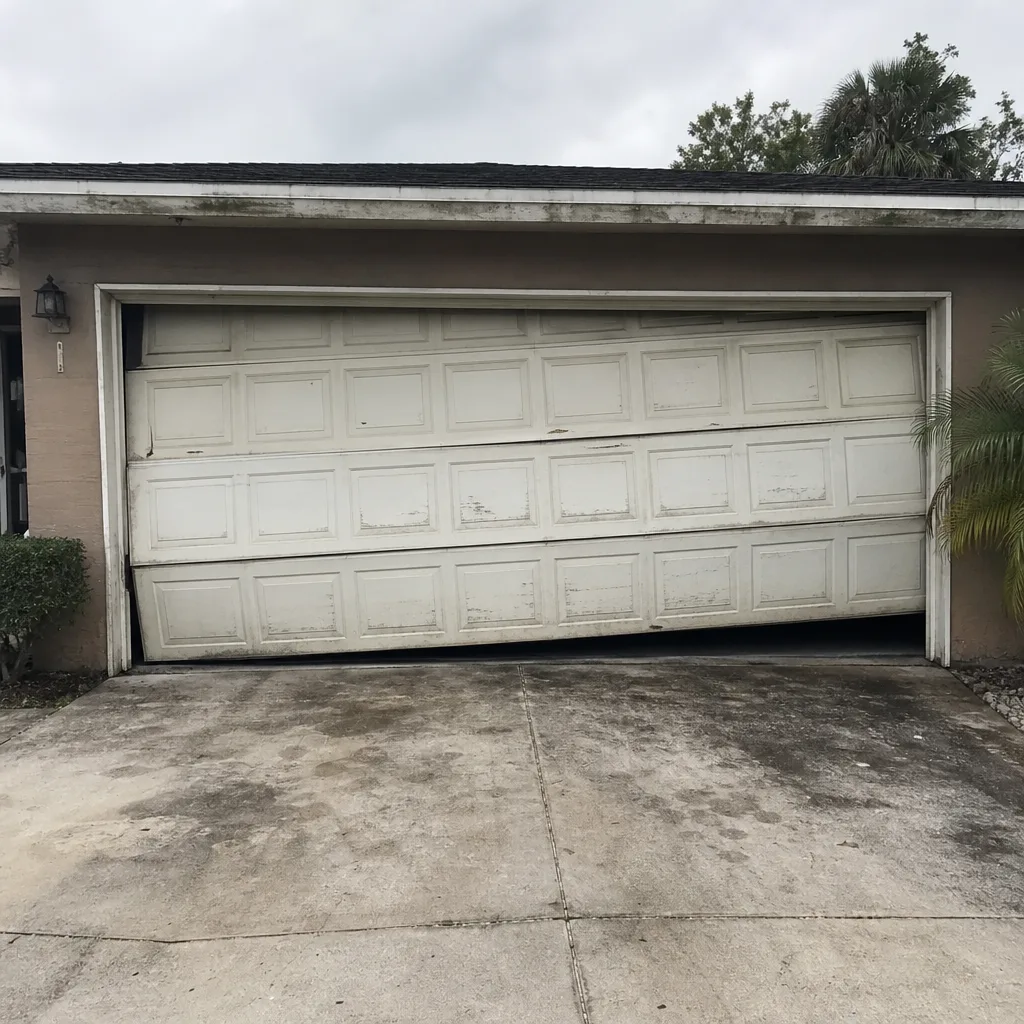 Before
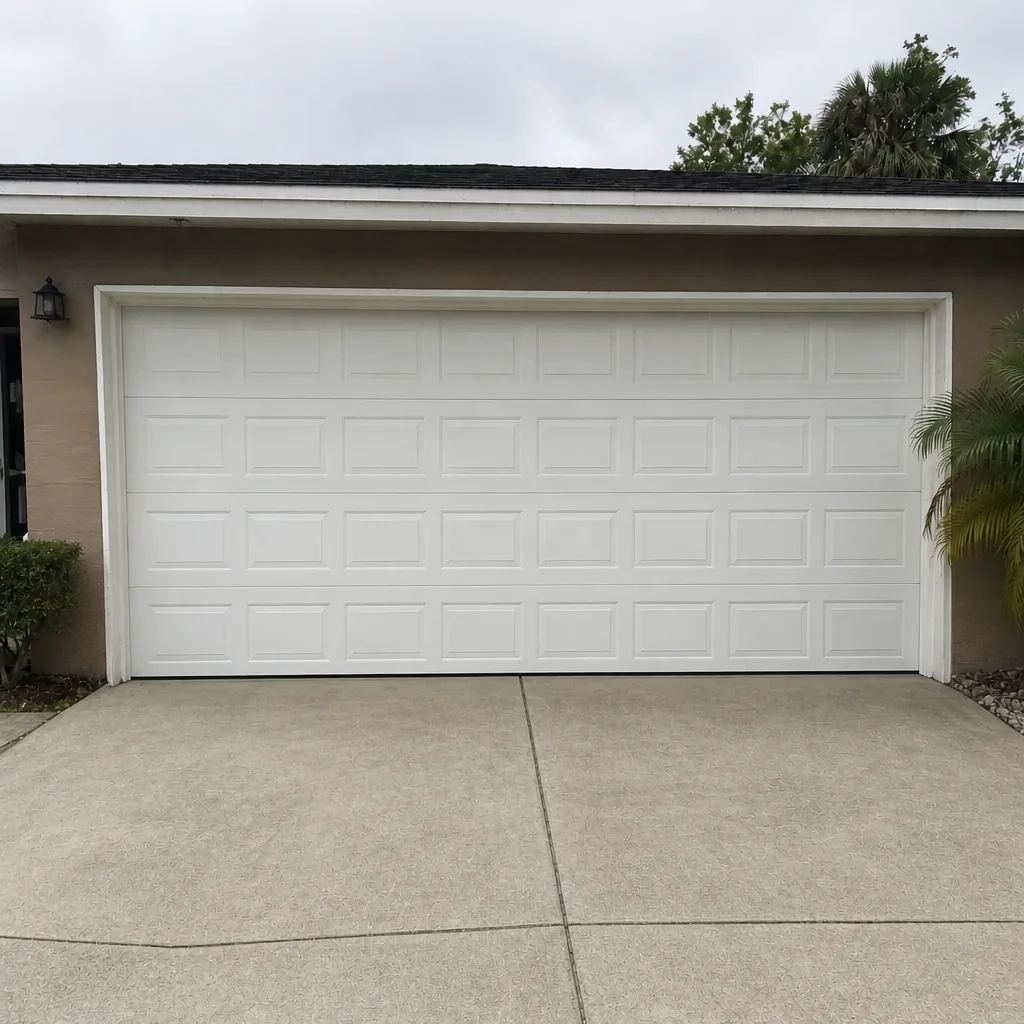 After
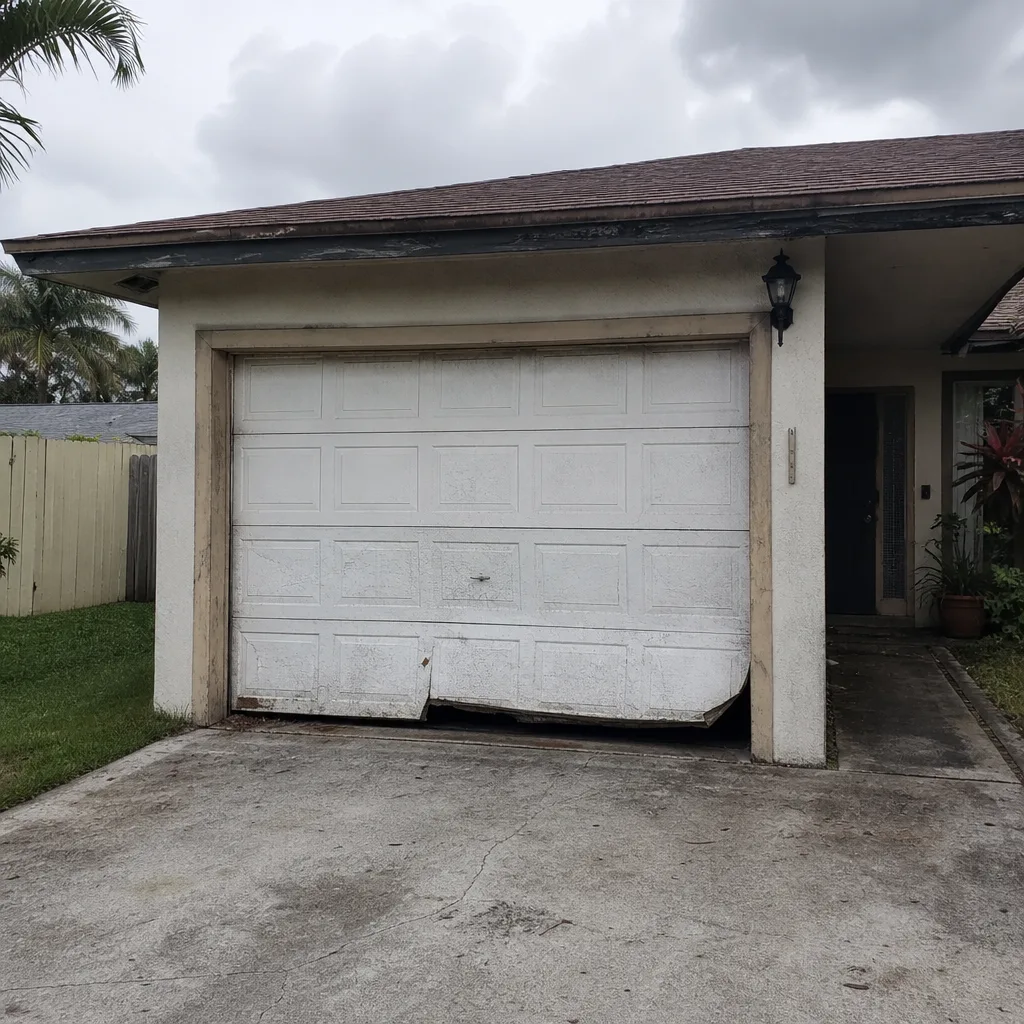 Before
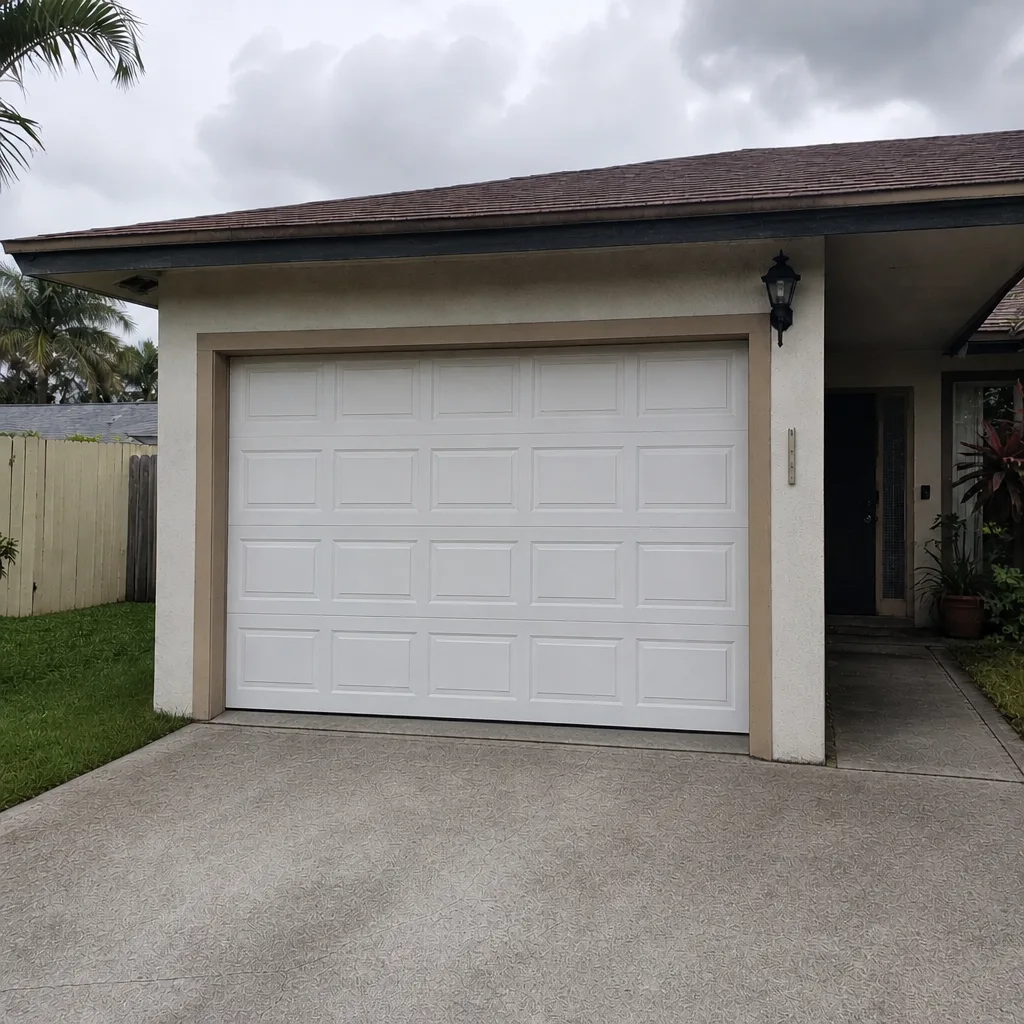 After
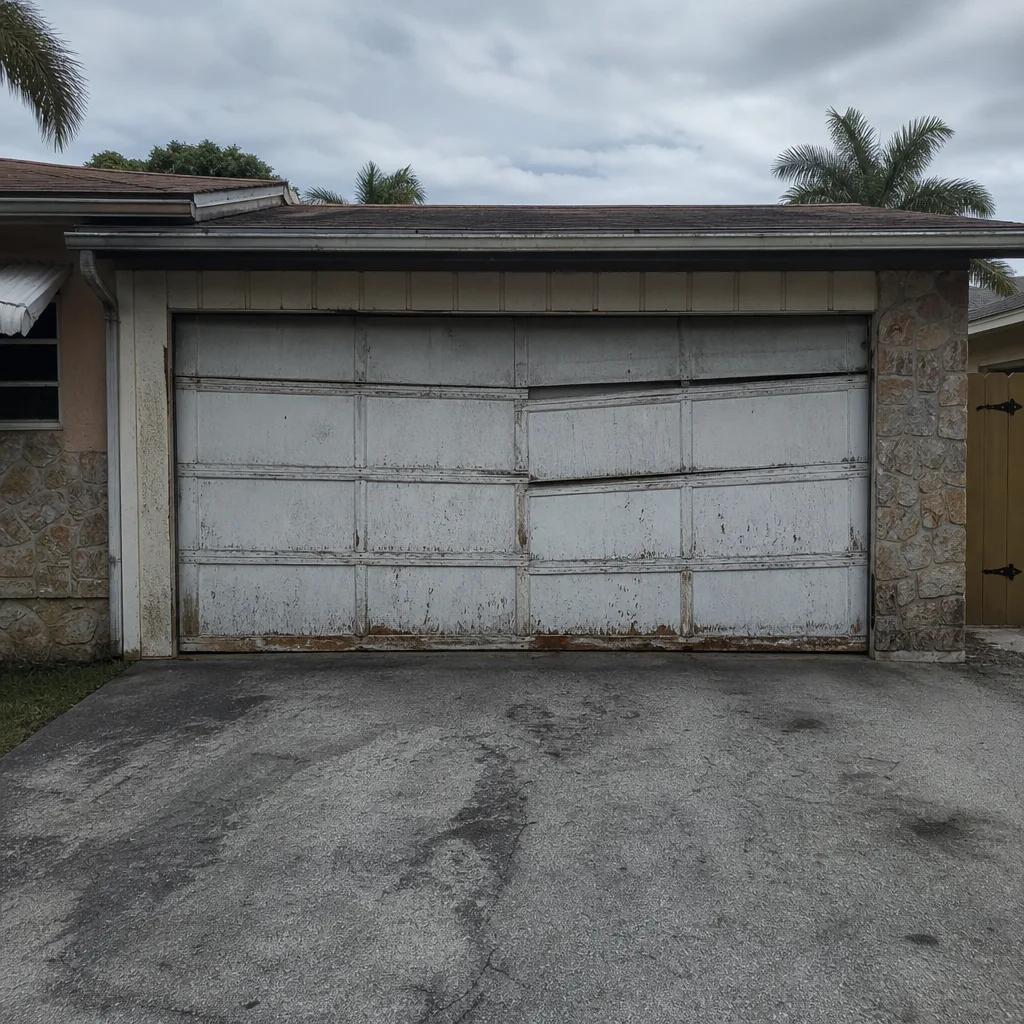 Before
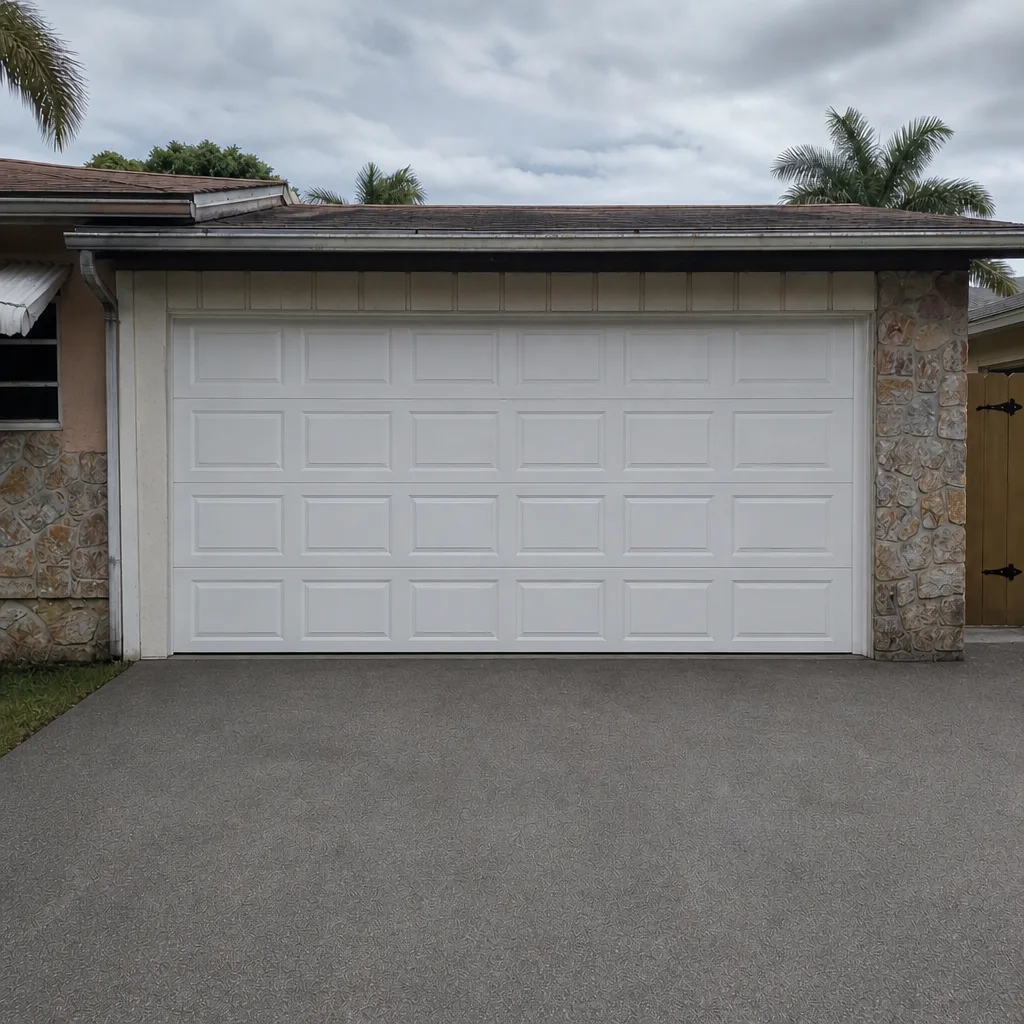 After
When to Call a Professional
Some situations call for a specialist rather than a toolbox. If your door is unbalanced, the springs are broken or making a loud bang, or the auto-reverse fails, stop using it and have it assessed. A door that has stopped meeting its wind rating, a track that’s bent, or an opener that won’t respond after a power outage all warrant a professional look. If a cable is frayed or the door hangs at an angle, don’t cycle it. For a full replacement, the order involves code and brand specification, so a specialist should handle the measurement and the permit. Plantation Garage Door Repair Co offers free estimates in Plantation – call (833) 339-1248 to arrange one.
Frequently Asked Questions
Most garage door replacements in Plantation require a permit, because the door is part of the building envelope and must meet wind-load requirements. The exact rule depends on your address and the community, so ask the City of Plantation’s building department what applies to your home. The local pro handles the permit as part of the installation.
Broward County sits in a high-velocity hurricane zone, so your door generally needs to meet a wind-load rating set for your specific opening. The requirement depends on your home’s location, exposure, and opening size. The City of Plantation’s building department confirms the design pressure for your address, and the door and its reinforcement are specified to match.
Aluminum and fiberglass generally outperform steel in Plantation’s humidity, because they don’t rust at the seams and bottom edge. Steel is affordable and can work if it’s properly finished and maintained. If you’re comparing, the deciding factors are your budget, your HOA’s approved palette, and the wind rating your door needs.
Most new installations in Plantation run somewhere between about $1,200 for a basic single-car door and $4,500 for a large insulated wind-rated door with a new opener and permit. The written estimate sets the final price, and it includes the door, the reinforcement, and the installation. Call (833) 339-1248 for an exact quote – estimates are free.
Your HOA will approve the door if it matches the community’s published guidelines for style, color, and material, and if you submit the manufacturer’s specification and wind-load documentation with your application. Get written approval before ordering. A door that passes review is one that was specced to the guidelines first.
Yes. A broken spring is a repair, and it’s done without replacing the door in most cases. Springs are under extreme tension, so this is a job for a trained specialist, never a homeowner. Our technicians have up to 15 years of experience with spring repair. Call (833) 339-1248 to have it assessed.
The Bottom Line
Plantation isn’t a generic garage door market. Broward County wind-load and impact requirements narrow your material and brand options before aesthetics matter. The humidity favors aluminum and fiberglass over steel. HOA approval in the city’s planned communities should come before the order, not after. Storm-season outages make battery backup an opener essential, not a luxury. And the cost of a new installation depends on the door, the reinforcement, the opener, and the permit, with the written estimate setting the final price. Get the spec right first and the rest follows.
If you need help with any of it, from a spring repair to a full new door, Plantation Garage Door Repair Co offers free estimates in Plantation. We’re brand-familiar with the systems installed in this region, and we work from the manufacturer’s logic rather than a generic playbook. Call (833) 339-1248 to get started.
Written by the team at Plantation Garage Door Repair Co.