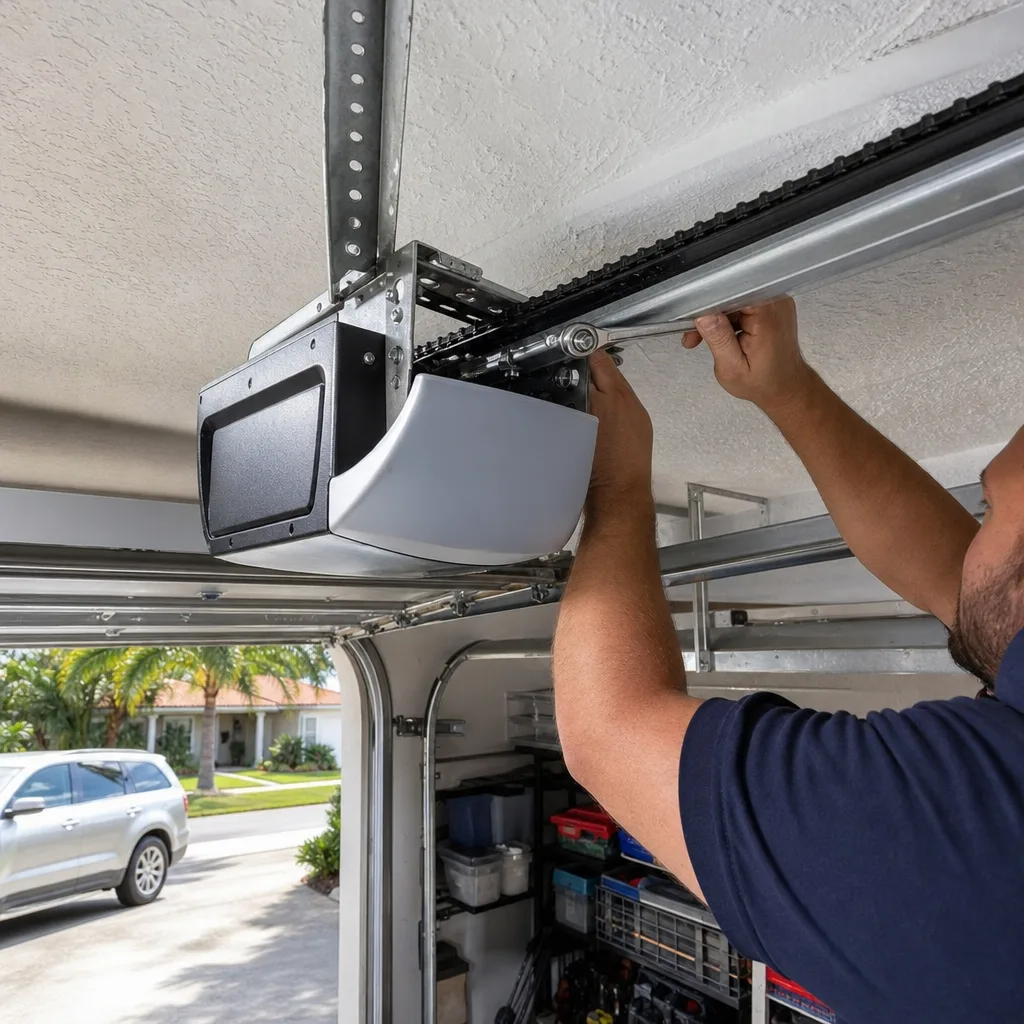
Last updated November 20, 2026
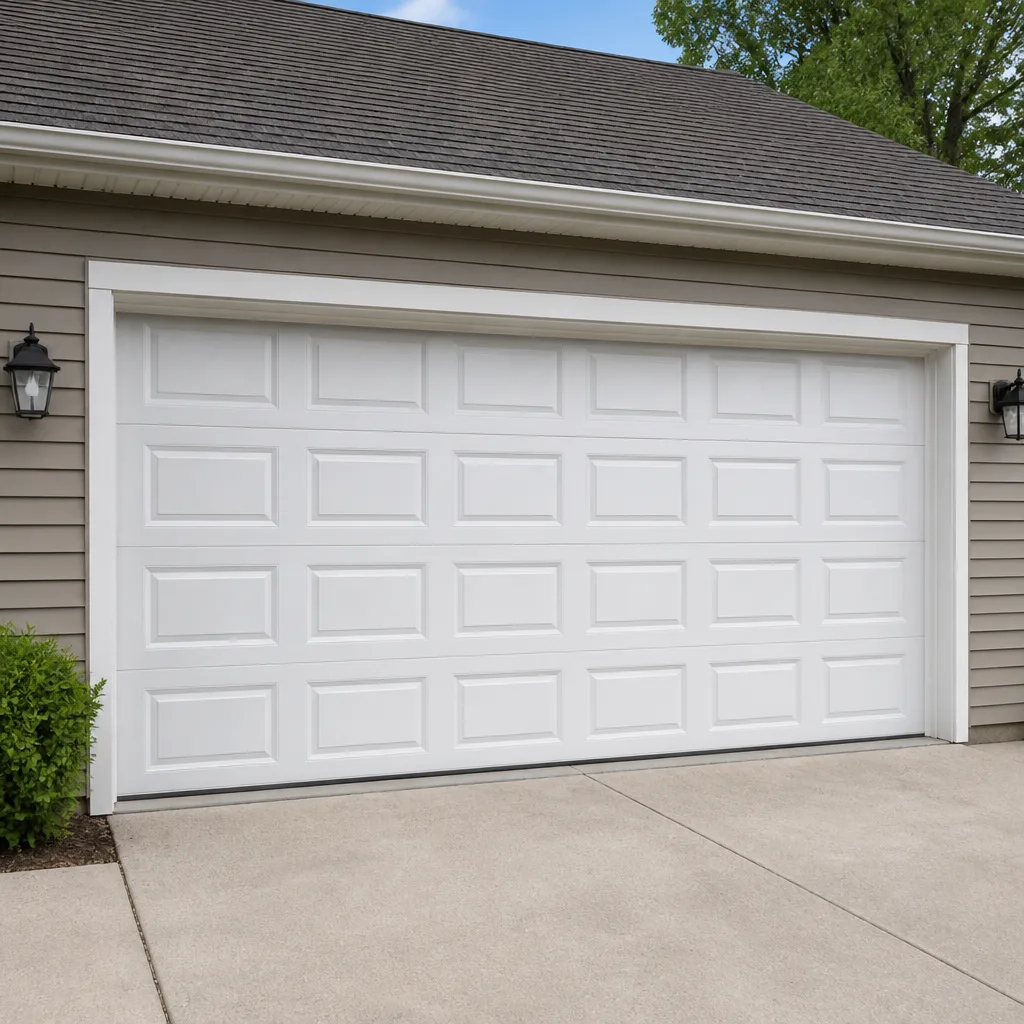 Raised-panel steel
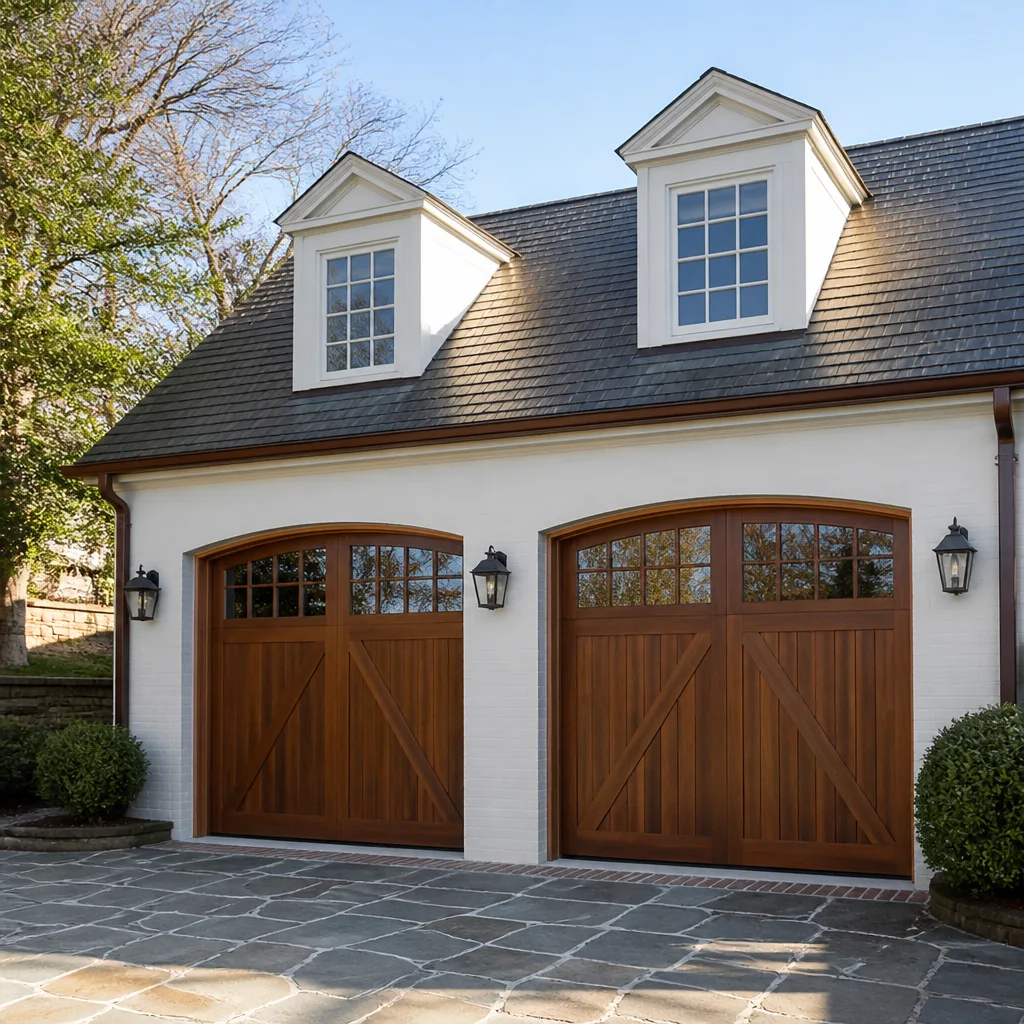 Carriage house
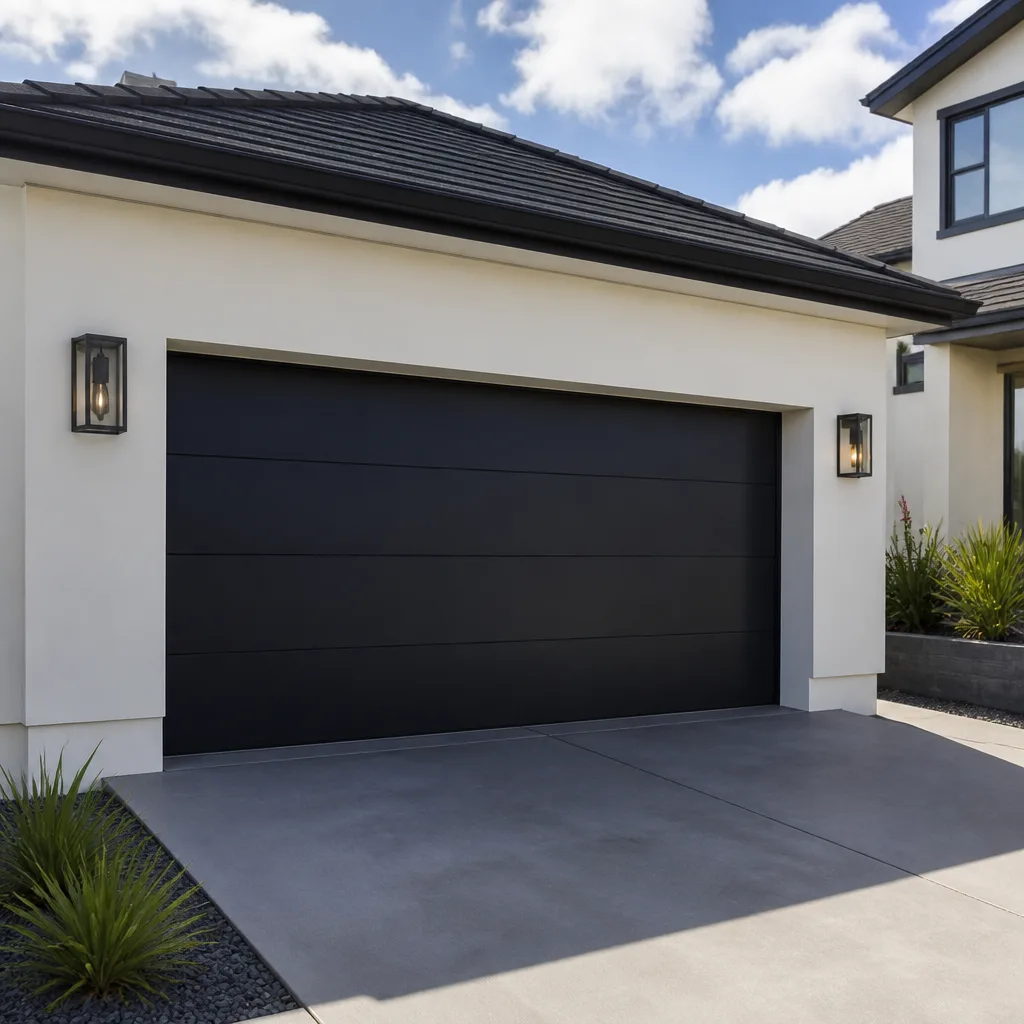 Modern flush
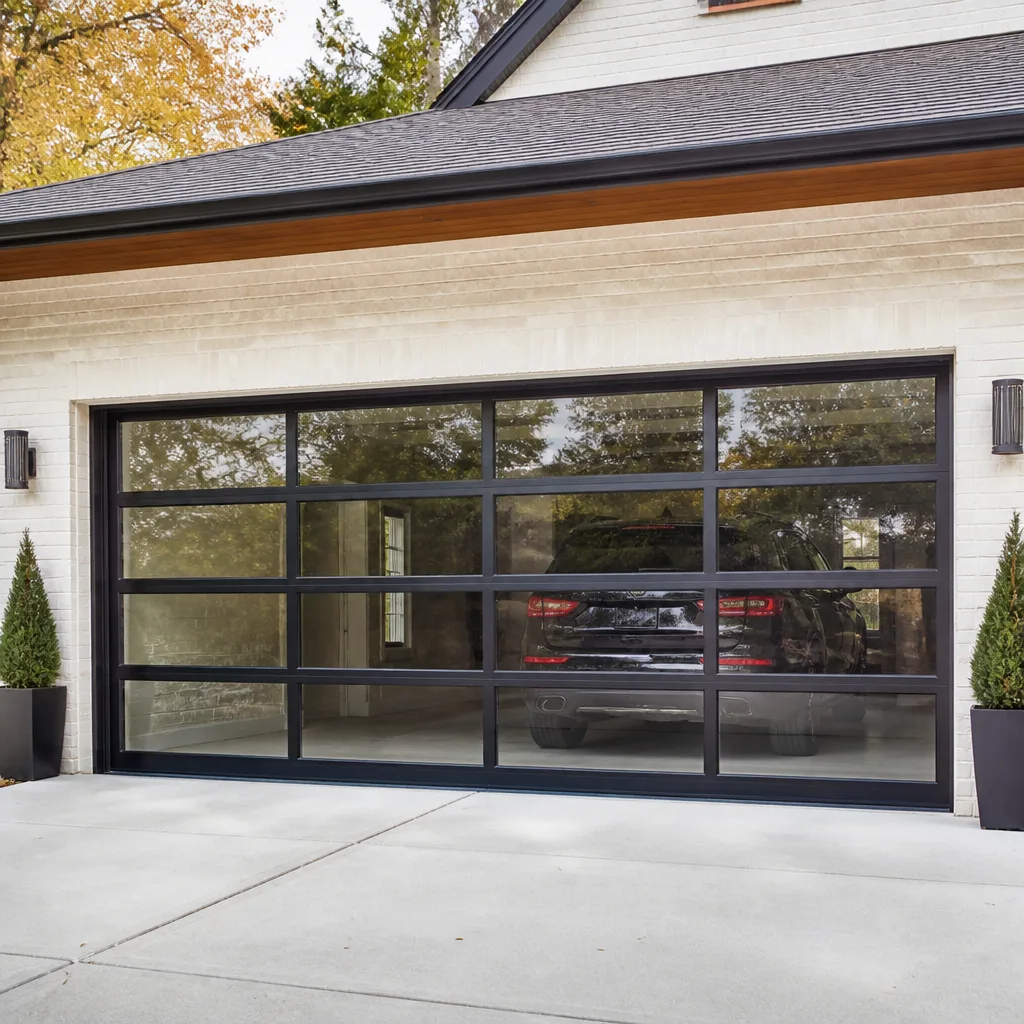 Full-view glass
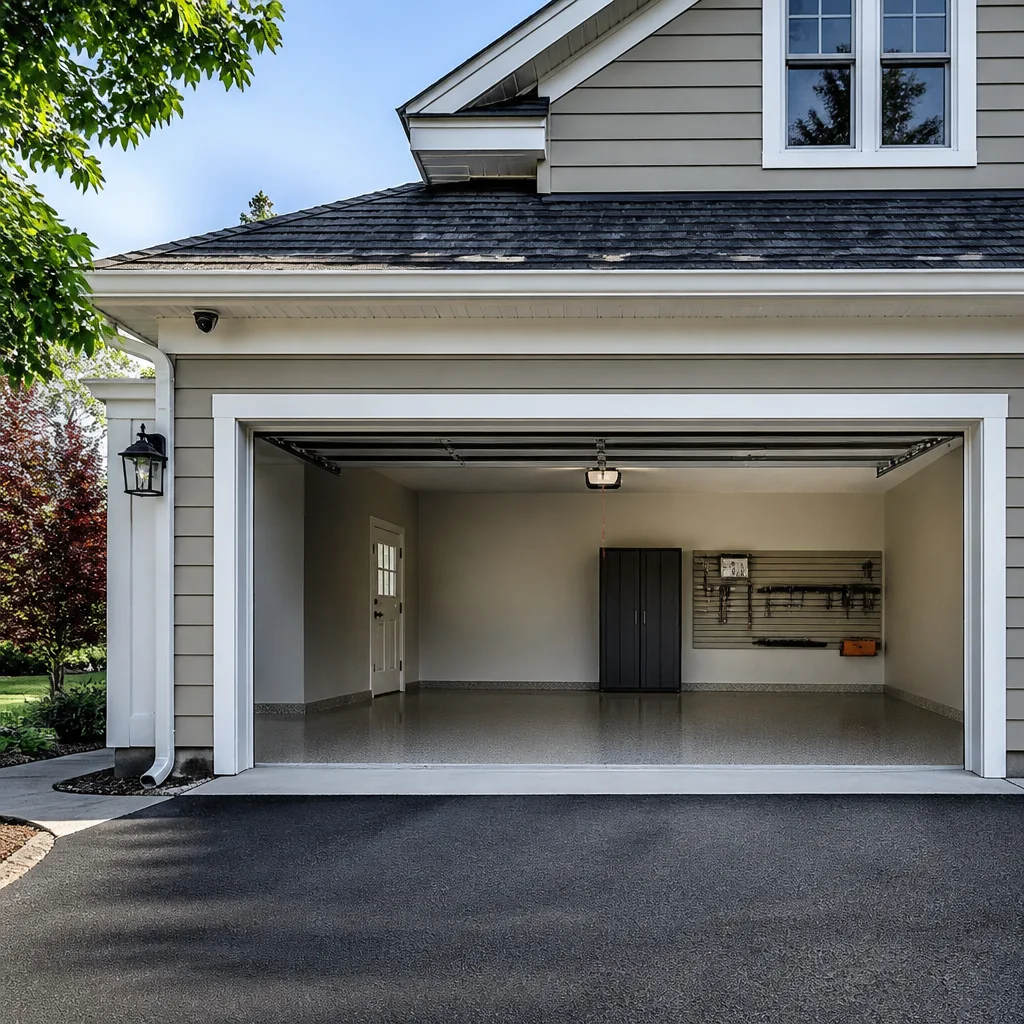 LiftMaster openers
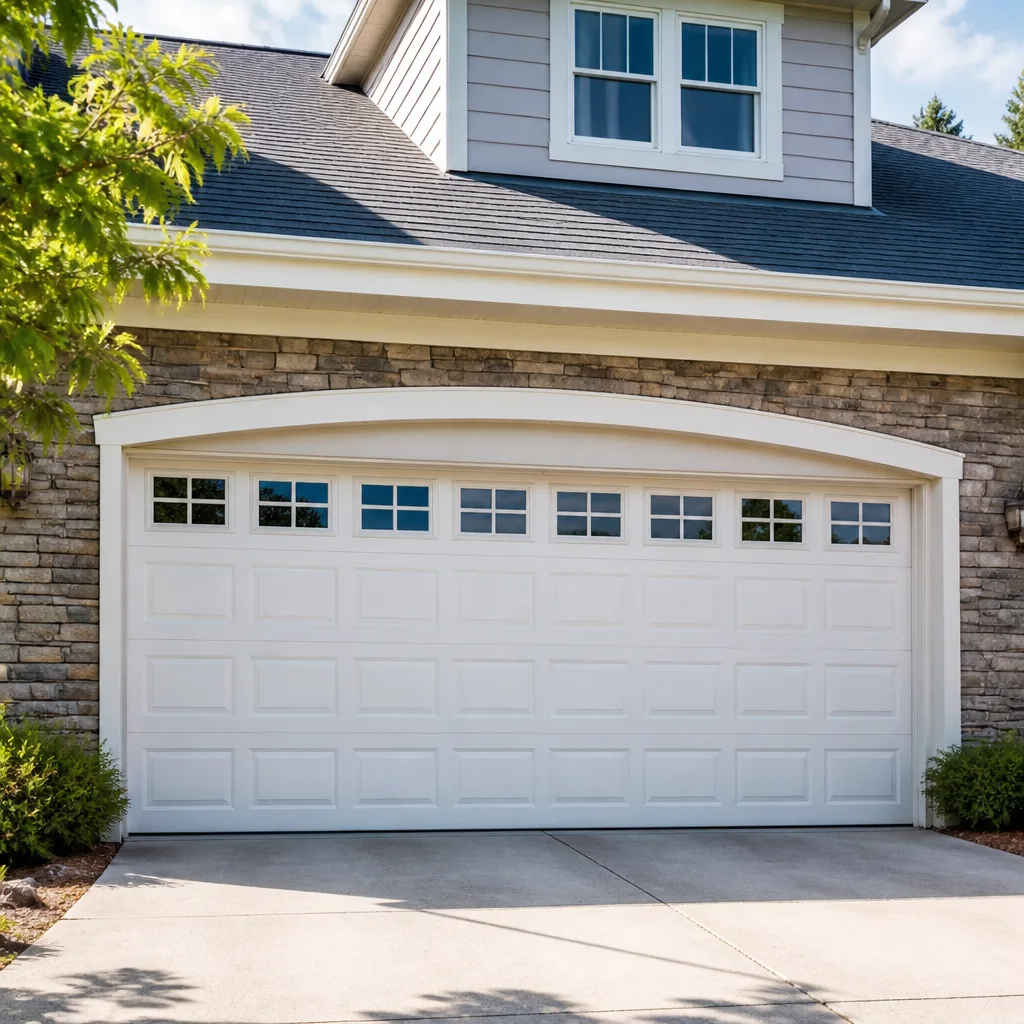 Chamberlain openers
Full 25-point door and opener safety check with every visit - springs, cables, rollers, tracks, and your LiftMaster or Chamberlain opener included
You get a price before we start. It does not change when the pro arrives.
Get your free estimateGarage Door Permits, Codes & Inspections in Plantation, FL: What You Need to Know
Most homeowners assume a garage door is a simple swap: pick the panel style, get it hung, done. In Plantation, that assumption can cost you. A garage door is a structural opening on the wind-load envelope of your house, and in Broward County the permit process exists to prove the assembly can hold up under pressure. Skip it and you own a code violation that can follow you to closing, cloud your wind-mitigation insurance credit, and put the door’s warranty in question. This guide covers exactly when a permit is required, what the inspector checks, what the process costs in time and money, and where a legitimate contractor fits in.
Quick Answer
In Plantation and the rest of Broward County, a garage door replacement or a change to the door’s structural assembly almost always requires a building permit and a final inspection. A repair that keeps the existing door and same model parts, or an opener-only swap, generally does not. The permit is issued under the Florida Building Code, and the inspection verifies that the door and its anchoring meet the wind-load spec for this part of South Florida. Not sure which category your job falls into? Call us at (833) 339-1248 and we will walk you through it before you order a single panel.
Styles & brands we work with
- Raised-panel steel
- Carriage house
- Modern flush
- Full-view glass
- LiftMaster openers
- Chamberlain openers
Table of Contents
- Which Garage Door Jobs Need a Permit in Plantation?
- Florida Building Code Chapter 16 and Plantation’s Wind Zone
- What the Inspection Actually Checks
- The Cost and Timeline of Pulling a Permit in Broward
- How Unpermitted Work Affects Your Insurance
- Choosing a Contractor Who Pulls Permits the Right Way
- Common Mistakes to Avoid
- When to Call a Professional
Which Garage Door Jobs Need a Permit in Plantation?
Here’s the direct answer: a full door replacement needs a permit, most repairs do not, and the gray zone is anything that changes the structural attachment or the rated assembly. That covers more than homeowners expect.
Jobs that typically require a permit:
- Full garage door replacement, whether it’s a sectional door, a carriage-style door, or any change in panel model or manufacturer.
- Replacing the door with a different size or weight class, which changes the loads on the header and the track.
- Changing the anchor pattern or adding new fasteners into the block or jamb, because that alters how the assembly resists wind uplift.
- Replacing a track system with a different gauge, or moving the track’s attachment points.
- Installing a door where none existed, such as enclosing a carport with a new overhead door.
Jobs that generally do not require a permit:
- Spring replacement, cable replacement, or roller and hinge swaps on the existing door.
- Opener replacement when the new unit mounts to the existing rail and bracket system.
- Panel-only replacement with the same model and manufacturer’s approved panel, matched to the existing assembly.
- Routine service: balancing, lubrication, sensor alignment, remote and keypad programming.
The dividing line is the rated assembly. If you keep the same door model and same anchoring, the original permit’s product approval still describes what is there. Change any part of that, and the city’s building department needs to see it. When you call about garage door installation, we can tell you on the first call which side your job falls on.
Florida Building Code Chapter 16 and Plantation’s Wind Zone
Florida Building Code Chapter 16 is the section that governs structural loads from wind, and it’s the reason garage doors here aren’t interchangeable with doors sold in other parts of the country. Broward County sits in the High Velocity Hurricane Zone, the most demanding wind zone in the state code. Every exterior opening, including the garage door, has to be part of a tested assembly rated for that zone.
What that means in practical terms for a Plantation homeowner:
- Product approval is required. The door you buy needs a Florida Product Approval number, or a Miami-Dade Notice of Acceptance, tied to the exact door model, size, and installation configuration. A door with approval at one size isn’t automatically approved at another.
- The spec travels with the door, not the house. If the assembly is rated for a specific anchorage layout and the installer deviates, the approval no longer covers what was built.
- Rated impact glazing on doors with windows. A door with decorative windows needs those windows rated for the same wind zone, not just the panels.
- Reinforcement is part of the assembly. Horizontal and vertical struts exist for a reason, and the approval paperwork names which ones apply.
This is where brand familiarity matters. The doors we work with most often in Plantation, including Clopay, Amarr, and Raynor, all publish product approval documentation by model and configuration. Our technicians have up to 15 years of experience reading those specs and matching them to what’s actually on the wall. When a door spec is simplified by a seller, or an approval number doesn’t match the size ordered, that’s a problem the inspector finds, not the installer.
None of this is guesswork for the city. The building department reviews the submittal against the FBC product approval database before issuing. If the paperwork doesn’t line up, the permit stalls before anyone touches your door.
What the Inspection Actually Checks
The final inspection on a garage door is not a formality. It’s a specific checklist that verifies the installed assembly matches the permitted paperwork and the wind-load spec. Here’s what an inspector typically looks at, in the order most go through it:
- Product approval label or documentation on the door. The approval number needs to be visible and match the permit submittal. Panels are often labeled on the inside face, so the label has to remain readable.
- Door model and size against the approval. Serial numbers or model identifiers are checked against the permitted door spec.
- Anchor spacing and fastener type. The fasteners, the depth of embedment, and the spacing between anchors have to match what the approved assembly calls for. Deeper anchors in different locations than the spec is a fail.
- Track gauge and attachment. The vertical and horizontal track gauge, the bracket types, and where the track is anchored to the header and jamb all matter, because the track carries load under wind, not just weight.
- Reinforcement struts and bracing. If the approved assembly requires horizontal or vertical struts, they need to be present and correct.
- Opener backup power. Many newer permit submittals and code cycles require a battery backup on the opener, and the inspector will verify the opener has one and that it functions.
- Weather seal and control joints. Bottom seals, side seals, and anything the approved assembly specifies for the perimeter.
- Obstruction sensor operation. The safety sensors and reverse feature have to be working, which is a life-safety check, not a wind-load one, but it’s usually on the inspection sheet.
If the inspector finds a mismatch, you get a red tag and a re-inspection fee. The fix is usually not a whole new door, but the correction has to be made by whoever installed it, which is why the person pulling the permit matters as much as the door. Our team is familiar with the opener side too, so garage door opener repair and the backup power requirement get handled together rather than as a loose end.
The Cost and Timeline of Pulling a Permit in Broward
Homeowners are often surprised that a permit adds cost and time to a door replacement. It should be part of the quote, and it should be visible, not buried. Permit fees are set by the city or the county and vary with the valuation of the job, so we won’t quote a fee here that won’t hold. What we can tell you is the shape of the process.
Typical steps in the timeline:
- Contractor pulls the permit. The licensed contractor submits the application, product approval documentation, door spec, and installation details to the building department.
- Plan review. The building department checks the submittal against the FBC product approval database. Review windows vary with the department’s workload, and inaccurate paperwork triggers a correction cycle that adds time.
- Permit issued. The door can now be ordered and installed. The permit has to be posted or available on site.
- Install completes. The contractor calls for the final inspection once the assembly is finished.
- Final inspection and close-out. The door passes, the permit is closed, and the documentation becomes part of your property record.
One honest note: on replacement work, we schedule around the permit and the door’s build time. That’s why we never promise same-day turnaround on a full replacement. The correct sequence is a free measure, a written price that names the permit in the line items, and then a scheduled install. On a repair that doesn’t require permitting, speed is more realistic, but the door replacement itself is a measured job, not a same-day one. If you’re wondering how the piece fits together with the rest of the job, the main page at Plantation Garage Door Repair Co covers the full scope of what we handle.
Two points that keep the process moving. First, the permit fee is set by the jurisdiction, not by the contractor, so it’s the same whether you go with us or anyone else, and it’s not upselling. Second, the door has to be ordered to spec, so a cheap door in stock may not have the approval for your size. Ask for the product approval before you order.
How Unpermitted Work Affects Your Insurance
Wind-mitigation inspections are how Florida insurers price risk on a home. The inspector looks at each opening and records what’s installed: the door’s wind rating, the anchor pattern, the presence of rated impact features. A permit and close-out give that inspector something to verify against. An unpermitted door is a gap in that chain.
What can happen when work isn’t permitted:
- Lost credit. If the inspector can’t verify the door’s wind rating, the credit for that opening may not be applied to your policy calculation. With Citizens Insurance and other carriers, that changes the premium.
- Coverage questions after a storm. When a claim involves a damaged opening, the insurer will ask whether the opening was permitted and inspected. We can’t tell you what any specific policy will do, but the question is a common one.
- Disclosure at sale. Florida’s seller disclosure covers permits and unpermitted improvements, and a garage door is one of the things a buyer’s inspector will flag if the records don’t line up.
- Inspection friction. A wind-mitigation inspector who finds a door with no approval label and no permit has to record it as such, which usually means a second visit and cost to you after remediation.
None of this is about a specific incident we saw. It’s about how the record works. The permit closes the loop on the door’s rated performance, and that loop is what an insurer or a buyer’s title check reads. When we handle garage door repair, we advise on permit triggers up front so the file stays clean.
Choosing a Contractor Who Pulls Permits the Right Way
A contractor who suggests skipping the permit is telling you something about how they work. A specialist who pulls it accurately is telling you the opposite. Here’s how to separate the two.
- They name the permit in the written price. Not “permit fees may apply,” but a line item. If the number isn’t in the quote, ask why.
- They come with the product approval before you sign. The approval number and the door model should be in the paperwork, matching the size you’re ordering.
- They can tell you which jobs need permitting and which don’t. A specialist will tell you a spring replacement doesn’t need one. A generalist often can’t, and sometimes just permits everything to cover themselves.
- They’re brand-familiar with the door you own or want. Clopay, Amarr, and Raynor each publish their approval documentation a bit differently. Knowing those documents saves correction cycles.
- They’re state-licensed and insured as the state requires. That’s the baseline to even pull a permit in your name.
- They don’t push replacement on a repairable door. If the door is sound and only the opener is failing, a permit and a full replacement are the wrong answer.
One more marker: does the contractor voluntarily bring up the permit before you do? In our experience, the reliable ones do. The questions that separate a specialist from a generalist usually show up in the first five minutes of the call, long before the door is ordered.
Common Mistakes to Avoid
- Assuming a replacement is too small to permit. A like-for-like panel swap with the same model and approval can sometimes avoid a new permit, but a different door at the same size usually can’t. The city reviews the approval by model, not by promise.
- Ordering the door before the permit is issued. If the size or model needs to change during plan review, a door that’s already on order becomes a problem. Let the paperwork clear first.
- Taking a contractor’s word that “we don’t need a permit in Plantation for this.” Permit triggers come from the building department, not the installer. Ask for the code reference or ask the department directly.
- Losing the approval label. The product approval label has to stay readable on the installed door. Painting over it or removing the panel sticker can fail an inspection that would otherwise pass.
- Forgetting the opener backup battery. If the approved opener spec calls for battery backup, the check happens at inspection, and a nonfunctional backup fails the job.
- Choosing a door with no local approval for a cheaper price. A door that’s approved somewhere else in Florida may not have the specific approval number for this wind zone at your size. That’s not a bargain, it’s a red tag.
- Skipping the final inspection. An open permit is sometimes worse than none, since it shows up at title and has to be closed out later, often at extra cost.
When to Call a Professional
Call us before you order a door if any of these fit your situation. You’re replacing a door and don’t know whether your job needs a permit. Your old door had no visible approval label and you’re not sure what’s installed. A contractor has quoted a replacement without a permit line item. You’re selling in the next year and want the record clean. A spring, cable, or track has failed and you’re not sure whether this is repair or replacement territory. The door is a Raynor, Clopay, or Amarr model and you want someone who has worked with those approvals before. Or the opener is failing and you want the backup-power requirement checked at the same time. Plantation Garage Door Repair Co offers free estimates in Plantation. Call (833) 339-1248 and we will tell you honestly which category your job falls into, permit or no permit, and what the written price looks like.
Safety matters at every step. Springs, cables, and the torsion assembly are under extreme tension and can cause serious injury; never adjust, cut, or remove them yourself. Electrical work on an opener’s wiring or backup power is a job for a trained professional, and if the door or opener has interfered with your home’s electrical panel, stop and call a licensed electrician before anything else.
Frequently Asked Questions
Yes, in nearly all cases. A full garage door replacement requires a building permit in Plantation and the rest of Broward County, along with a final inspection. The permit is issued under the Florida Building Code, and the inspection verifies the door’s wind-load approval and anchoring. Call (833) 339-1248 for a free estimate and we will confirm your job’s trigger.
Usually not, if the new opener mounts to the existing rail and bracket system and doesn’t change the structural assembly. If the install requires new mounting hardware into the wall or header, or if the opener spec pulls in a backup-power requirement, ask your building department before you schedule the swap. Our technicians will tell you which side your job falls on.
Plantation is in Broward County, which sits in the High Velocity Hurricane Zone under the Florida Building Code. In practical terms, your garage door needs a Florida Product Approval number for the specific model, size, and installation configuration you’re buying. A door approved in another region doesn’t automatically meet the local standard. Call (833) 339-1248 for a free estimate and we’ll match the spec to your opening.
No, and the written quote is what you pay. If the inspector finds a mismatch, the correction is on the contractor, not a new invoice to you. The price we quote is agreed before any work starts, and the permit is a line item in it. Estimates are free, so call (833) 339-1248 with your door model and size.
It can. Wind-mitigation inspections record the door’s rated features, and an unpermitted door can leave that opening without a verifiable credit, which changes premium calculations with Citizens Insurance and other carriers. The record also matters at sale. Call (833) 339-1248 and we will walk through what your situation needs before you order.
It varies with the building department’s workload, and we schedule installation around the permit and the door’s build time, not the other way around. That means no same-day install on replacement work, but a clean record on the back end. The free measure and the written price come first. Call (833) 339-1248 to book the measure.
The Bottom Line
In Plantation, the permit isn’t paperwork for its own sake. It’s the mechanism that proves your garage door meets the wind-load code this part of South Florida requires, and it’s what keeps your insurance credit and your property record intact. Replacement needs a permit and inspection; most repairs and opener-only swaps don’t. When a replacement is involved, get the product approval before you order, keep the fee in the written price, and let the inspection close the file. Our team of garage door specialists works with the approved models and the paperwork that goes with them, and we handle the door and the opener together so nothing gets lost between them.
Have a door or opener question and aren’t sure about the permit? Call Plantation Garage Door Repair Co at (833) 339-1248 for a free estimate. We’ll tell you which jobs need permitting, which don’t, and what the written price looks like before any work starts.
Written by the team at Plantation Garage Door Repair Co.
See the difference
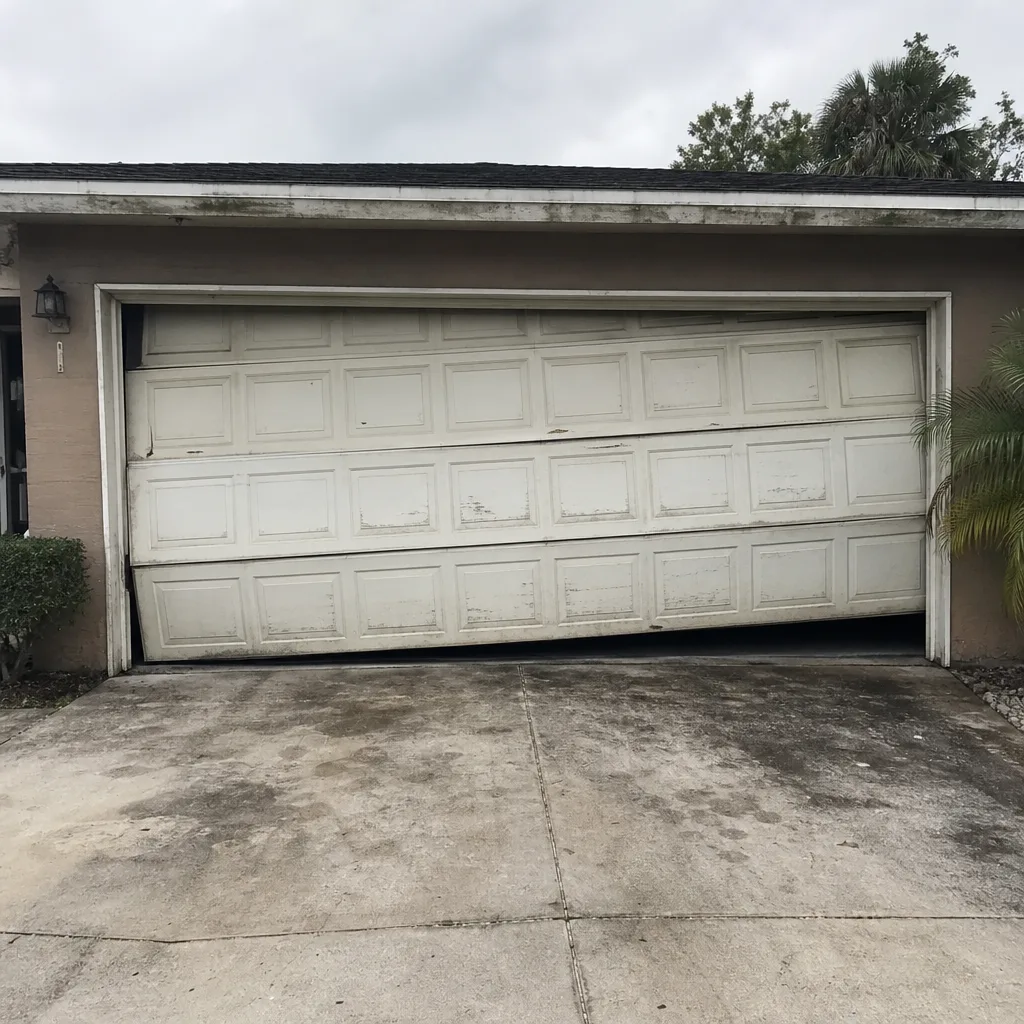 Before
 After
 Before
 After
 Before
 After